‘1, 2, 3, viva l’Algerie’: A Chant of Independence and Enduring Football Passion
The iconic Algerian football chant, '1, 2, 3, viva l’Algerie', transcends the game, echoing the nation's struggle for independence and its deep-rooted passion for football.
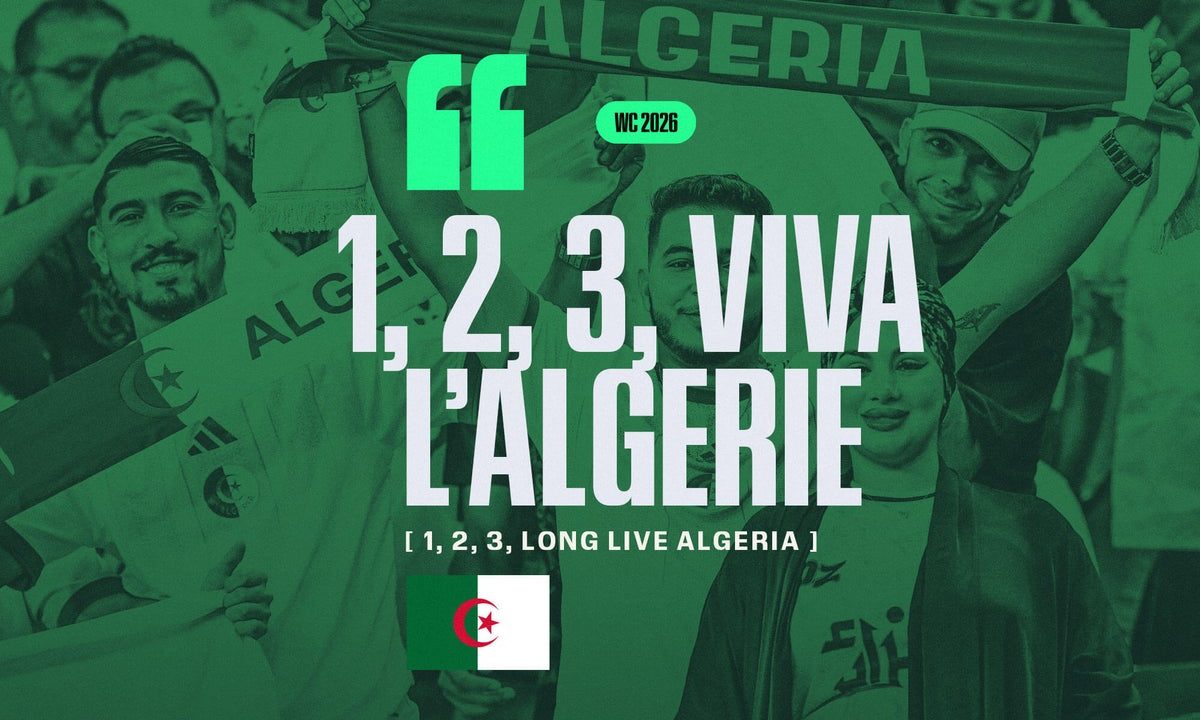
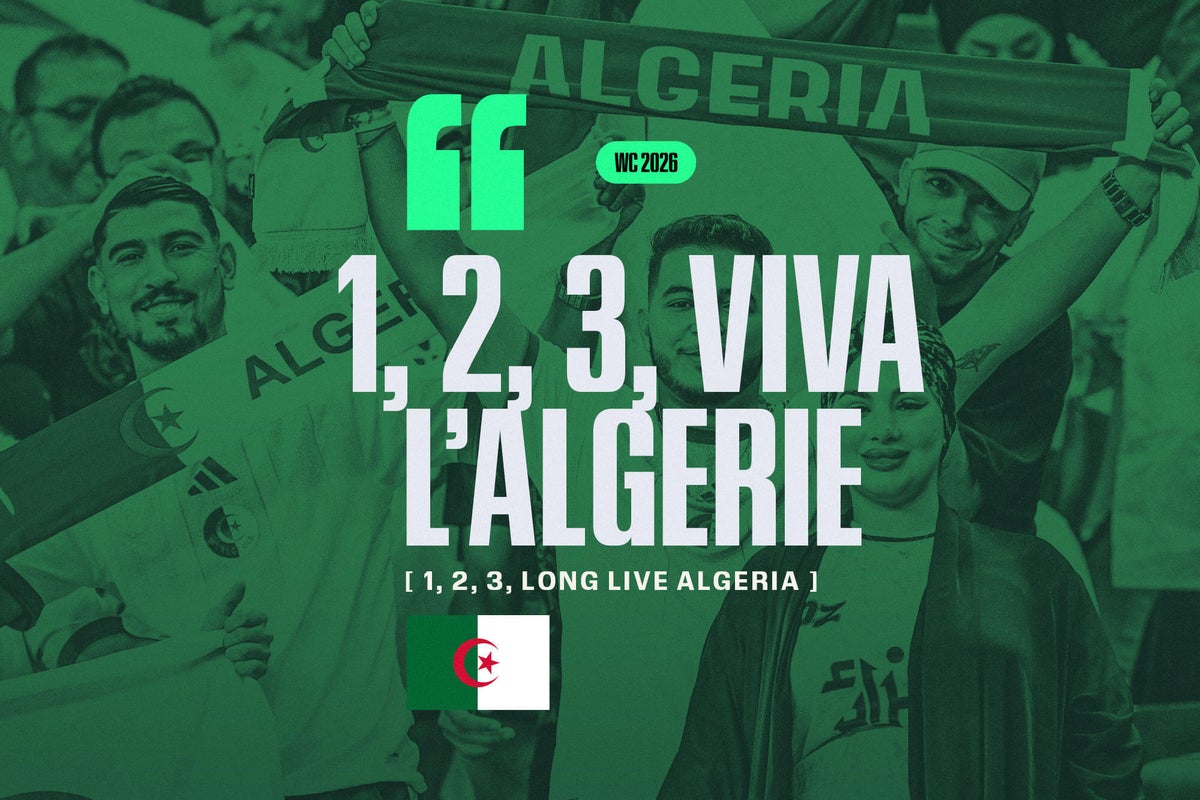
The roar of a crowd, a unified chant that reverberates through stadiums and across continents, can carry profound meaning. For Algeria, the phrase ‘1, 2, 3, viva l’Algerie’ is more than just a football chant; it is a rallying cry deeply intertwined with the nation’s history, particularly its fight for independence. This iconic expression encapsulates the fervor of Algerian supporters and their unique football culture, as explored in The Athletic’s special World Cup series.
A Legacy of Independence
The most widely accepted origin story of ‘1, 2, 3, viva l’Algerie’ traces back to the period when Algeria was seeking liberation from French rule, a struggle that culminated in independence in 1962. According to Algerian supporter Ihab Fridj, a graphic designer, the chant emerged from a misunderstanding at Algiers’ port. He recounts that during the French occupation, locals attempted to communicate with a passing USA ship, intending to convey a message of freedom. However, their plea, “1, 2, 3, free Algerie,” was misheard as “1, 2, 3, viva l’Algerie.” Following independence, the phrase stuck, evolving into the enduring anthem of national pride.
Another theory suggests the chant evolved from “We want to be free, viva l’Algerie,” with the initial part later transforming into the now-familiar “1, 2, 3…” Regardless of the precise genesis, the chant serves as a potent reminder of Algeria’s past and its hard-won sovereignty.
Football as a Symbol of Existence
The connection between football and Algeria’s identity is profound. The national team’s roots are linked to the National Liberation Front, a key organization during the Algerian War of Independence. Film director Amine Kabbes explains that for many Algerians, supporting the national team is a way to assert their existence on the world stage, a feeling amplified by the nation’s pre-1962 statelessness. “With football, we can exist and prove we are here,” Kabbes states. “For me, every victory is an opportunity for the world to write about Algeria.”
This sentiment is vividly demonstrated by the ubiquitous presence of the Algerian flag at football matches, even those not directly involving the national team. Supporters are known to display their flag at events like the Copa America or the Champions League, a phenomenon that has become more noticeable since the turn of the millennium. As Fridj notes, “When you see a match in Copa America or the Champions League, you can spot a supporter with an Algerian flag — it’s weird.”
An Obsession that Unites
The passion for football in Algeria is described as an “obsession” that “consumes your whole life.” Mohamed Benhassir emphasizes its vital importance, calling it the population’s “oxygen,” providing happiness whether through the national team or domestic leagues. This deep-seated enthusiasm is passed down through generations. Kabbes recalls the widespread joy surrounding Algeria’s 1990 Africa Cup of Nations victory, an event he remembers for the atmosphere of happiness despite being only three years old. Similarly, stories of the 1982 World Cup team, despite their controversial elimination, remain vivid memories for many.
The Algerian diaspora, particularly in France, plays a significant role in maintaining this football fervor. For individuals like Yassine Tebib, who was born and raised in London, the connection to Algeria remains strong through football. The national team’s ability to attract players of Algerian heritage who grew up abroad is a topic of discussion among fans, with the prevailing sentiment, as expressed by Tebib, being that players should feel genuine pride in representing the country. Adam, an Algerian-American binational, asserts that dual nationals can embody Algerian identity, even if they have spent most of their lives elsewhere.
Following the National Team’s Journey
The dedication of Algerian fans extends to meticulously following players at their club level, even in less prominent leagues. Tebib recounts watching “really random games” to keep track of players like Mohamed Amoura during his time in Switzerland and Belgium. This level of engagement can draw supporters into the intricacies of various football leagues.
For some, like Fridj, the intense following of the national team began with a specific, pivotal match. Algeria’s 3-2 victory over Senegal in the 2010 World Cup qualifiers proved to be a turning point, sparking a comprehensive interest in all matches involving the team and its group opponents. This dedication stems from a desire to see Algeria succeed, even if the domestic league doesn’t command the same global attention as, for example, Egypt’s.
Sharing Culture Through Football
Beyond the game itself, Algerian fans use football as a platform to share their culture and history. They are eager to educate others about their heritage, including historical events like “The Disgrace of Gijon” and the logistical complexities of World Cup group-stage matches. The success of the national team often culminates in widespread street celebrations, with car honking and flag-waving occurring in cities across the globe, from Algiers and Paris to London, Madrid, and even Kansas City.
Datos clave
| Aspect | Detail |
| :——————— | :—————————————————————————– |
| Chant Origin | Linked to Algeria’s struggle for independence from France |
| Key Phrase Translation | ‘1, 2, 3, long live Algeria’ |
| Significance | Symbol of national pride, identity, and historical resilience |
| Fan Engagement | Deep passion, flag presence at matches, following players globally, diaspora involvement |
This enduring passion for football, fueled by a rich history and a strong sense of national identity, ensures that ‘1, 2, 3, viva l’Algerie’ will continue to resonate as a powerful expression of Algerian spirit for years to come.
Fuente: The Athletic – https://www.nytimes.com/athletic/7157773/2026/06/09/algeria-world-cup-fans/
Datos clave
| Punto | Detalle |
|---|---|
| Fuente | The Athletic |
| Fecha | 2026-06-09T04:09:19+00:00 |
| Tema | ‘1, 2, 3, viva l’Algerie’ was a plea for independence. It lives on as Algeria’s rallying cry |
Source
The Athletic Original publication: 2026-06-09T04:09:19+00:00
Related news

For Former Rays Across MLB, Watching Tampa Bay Make It to the World Series Means a Little Extra
From Blake Butera to a sprawling network of ex-Tampa Bay executives and coaches, the Rays’ run to the 2026 World Series stirs…
Read story
World Series 2026: Brewers and Rays bring elite speed to Fall Classic
Milwaukee and Tampa Bay ranked among MLB’s top five in stolen bases during the regular season and have continued running in October.…
Read story
Intentional Talk Canceled: What MLB Network’s Programming Cuts Mean for the Future of the Channel
After 16 seasons, MLB Network has canceled Intentional Talk, its flagship talk show. The move is the latest in a series of…
Read story
Rays Closer Bryan Baker Reflects on ‘Blur’ of Final Strike That Sent Tampa Bay to World Series
Tampa Bay closer Bryan Baker described the final strike to clinch the American League pennant as a blur, telling Sportsnet’s Arden Zwelling…
Read storyRelated wiki

MLB Wild Card Rules Explained: Format, Tiebreakers & Postseason Impact
How the MLB wild card works in the current postseason format, including tiebreaker procedures, the 3-game series structure, and what it means…
Read storyPlayoff race
Reference page for playoff race language, qualification lines, tiebreakers and games-in-hand context.
Read story