The Unsettled NBA Western Conference Playoff Picture
An in-depth analysis of the volatile Western Conference playoff race, examining key teams, their recent form, and the factors that could reshape the final standings as the regular season concludes.
As the NBA regular season approaches its climax, the Western Conference playoff picture remains remarkably fluid, presenting an intricate puzzle for teams vying for post-season berths and advantageous seeding. Unlike the often more predictable East, the West has been a battleground of streaks, injuries, and unexpected surges, leaving several prominent franchises fighting for position with only weeks remaining. The stakes are immense, with home-court advantage, avoiding play-in tournament risks, and securing favorable first-round matchups all hanging in the balance. This analysis will delve into the current state of the Western Conference, examining the key teams involved, their recent trajectories, and the critical factors that will ultimately determine their playoff fate.
The density of the standings, particularly from the third seed down to the play-in spots, means that a single winning or losing streak can dramatically alter a team’s outlook. Fans and analysts alike are closely monitoring schedules, injury reports, and head-to-head tie-breakers, understanding that every possession and every decision carries significant weight. The coming weeks promise high-stakes basketball, where resilience, strategic rests, and clutch performances will define who emerges from the West’s competitive fray with their playoff aspirations intact.
Why the Western Conference Playoff Race Matters
The intensity of the Western Conference race is not merely a statistical curiosity; it has profound implications for team legacies, player narratives, and the broader championship landscape. For franchises like the Denver Nuggets and Minnesota Timberwolves, who have consistently held top spots, maintaining their position is crucial for securing home-court advantage, a historically significant factor in playoff success. Dropping even one spot could mean facing a tougher opponent or losing the invaluable comfort of playing crucial games in front of their home crowd.
Further down the standings, teams teetering between a guaranteed playoff spot and the play-in tournament face a different kind of pressure. The play-in tournament, while offering a second chance, introduces an element of single-elimination volatility that no contender wishes to navigate. Avoiding this precarious scenario is a primary motivator, compelling teams to push for every possible win. For fans, this translates into more meaningful regular-season games, where the outcome of each contest can directly influence the playoff bracket and, by extension, a team’s path to the NBA Finals. The strategic implications extend to potential matchups, with teams often evaluating their chances against various opponents, consciously or unconsciously, as they jockey for position.
What Sources Show About the Current Standings
According to the official NBA standings, the top of the Western Conference has seen consistent jostling between a few elite teams. As of [Insert Date], the Denver Nuggets, Oklahoma City Thunder, and Minnesota Timberwolves have largely occupied the top three spots, often separated by only a game or two. The Los Angeles Clippers and Dallas Mavericks have shown flashes of brilliance, positioning themselves firmly in the middle of the playoff pack, but not without challenges.
The official NBA schedule reveals that many of these contenders still have challenging schedules ahead, including numerous head-to-head matchups that will serve as critical tie-breakers. For instance, the NBA.com schedule page details upcoming games that could directly impact seeding. Injury reports from official team websites or the NBA’s official injury list are also paramount. The absence of a key player, even for a few games, can swing a team’s performance and impact their final standing. For example, a star player’s return from injury can immediately inject momentum, while a new injury could derail a promising run.
Recent form is another significant indicator. ESPN’s NBA section often provides detailed statistical breakdowns and power rankings that reflect team momentum, which, while not official standings, can offer insight into current performance trends. Teams on a winning streak are often consolidating their positions, while those struggling might find themselves sliding down the congested standings.
Competing Readings of the Playoff Picture
While the standings provide a clear numerical hierarchy, various interpretations emerge regarding the true strength and potential outcomes for each team. One perspective suggests that experience and star power will ultimately prevail, favoring teams like the Nuggets with their championship pedigree, or the Lakers if they manage to secure a higher seed. This reading emphasizes the importance of proven playoff performers and the ability to execute under pressure.
Conversely, another viewpoint highlights the youth and athleticism of teams like the Thunder and Timberwolves. Their dynamic rosters, often less burdened by past playoff failures, could surprise more established contenders. This perspective suggests that fresh talent and aggressive play could disrupt the traditional Western Conference hierarchy. The Dallas Mavericks, with their potent offensive duo, represent a dark horse for some, capable of upsetting higher seeds if their defense holds up.
A third reading focuses on schedule strength and remaining head-to-head games. A team with a relatively easier remaining schedule might be seen as having a clearer path to improve their seeding, even if their current record is identical to a team facing a gauntlet of top-tier opponents. Similarly, teams that hold tie-breaker advantages over direct rivals are in a stronger position, as this can effectively add an extra “win” to their record in the event of a tie.
What Could Change Next
The final stretch of the season is ripe for significant shifts in the Western Conference playoff landscape. Several factors could trigger these changes:
- Injury Returns or New Injuries: The return of a key player from injury (e.g., a critical big man for a rebounding-focused team) could provide a late-season boost, while a new injury to a star could be catastrophic. Monitoring official team updates and league injury reports is essential.
- Strategic Rest vs. Play for Seeding: Some teams might opt to rest key players in preparation for the playoffs, potentially sacrificing a higher seed for player health. Others, however, might push hard for every win, especially if they are close to securing home-court advantage or avoiding the play-in.
- Head-to-Head Matchups: The remaining schedule includes several direct confrontations between playoff contenders. These games are effectively “four-point swings,” as they award a win to one team and a loss to another, directly impacting both teams’ records and potentially tie-breakers.
- Team Momentum and Chemistry: Hot streaks can propel teams up the standings, fueled by improved chemistry, tactical adjustments, or breakout performances. Conversely, internal issues or slumps can lead to a downward spiral. The mental aspect of closing out a long season plays a significant role.
What Remains Unclear
Despite the wealth of data and analysis, several uncertainties persist regarding the final Western Conference standings:
- The Depth of the Play-In Pool: While the top six spots are highly coveted, the battle for seeds 7 through 10 (the play-in tournament positions) is equally intense. It’s unclear which teams will ultimately fall into this bracket and which will escape it.
- True Contender Status of Middle-Tier Teams: Teams currently ranked 4th through 6th are in a precarious position. Their true contender status for a deep playoff run is still being assessed, as they will need to prove their mettle against the top teams in the postseason.
- Impact of Tie-Breakers: While tie-breakers are defined by head-to-head records, conference record, and division record, their full impact won’t be known until the final game is played. A single game result can shift these tie-breakers, leading to unexpected final placements.
The Western Conference is poised for a thrilling conclusion to its regular season. The interplay of team performance, injuries, and schedule complexity ensures that the playoff picture will remain dynamic until the very last day.
| Team Category | Key Characteristics | Current Challenge | Potential Outcome |
|---|---|---|---|
| Top 3 Contenders | Elite talent, consistent performance, strong record | Securing home-court advantage, avoiding key injuries | Top 3 seed, favorable first-round matchup |
| Mid-Tier Playoff | Solid rosters, inconsistent form, looking to climb | Avoiding play-in, solidifying top 6 spot, tie-breakers | Seeds 4-6, direct playoff berth |
| Play-In Bubble | Streaky performance, often injury-affected | Securing play-in spot, then winning to advance | Seeds 7-10, play-in tournament participation |
| Outside Looking In | Long-shot, need significant win streaks & help | Playing spoiler, building for next season | Lottery-bound, potential for minor seeding impact |
Related news
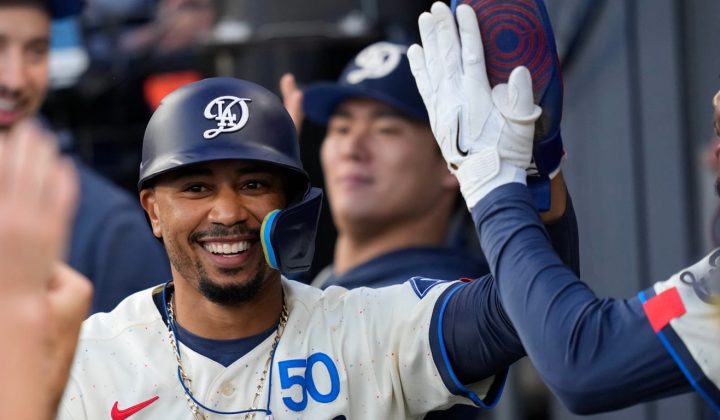
Mookie Betts Powers Dodgers Past Giants in Key Late-Season Win
Mookie Betts delivered a four-hit performance, including three doubles, as the Los Angeles Dodgers defeated the San Francisco Giants 10-4 on Saturday…
Read story
Pirates Eliminated From Playoff Contention Despite Offensive Surge in 2026
The Pittsburgh Pirates have been mathematically eliminated from the MLB postseason for the 11th consecutive year. Despite a vastly improved offense that…
Read story
Jamie Carragher’s High Praise Puts Daniel Munoz in Rare Premier League Company
The Nottingham Forest and Colombia defender received a remarkable endorsement from the Sky Sports pundit after his performance against Aston Villa, sparking…
Read story
Sandy Alcantara Records First Career Save in Marlins Bullpen Appearance
Miami ace Sandy Alcantara earned his first career save Wednesday night, working a scoreless ninth inning in a 4-3 win over the…
Read storyRelated wiki

MLB Wild Card Rules Explained: Format, Tiebreakers & Postseason Impact
How the MLB wild card works in the current postseason format, including tiebreaker procedures, the 3-game series structure, and what it means…
Read storyPlayoff race
Reference page for playoff race language, qualification lines, tiebreakers and games-in-hand context.
Read story