The Shifting Landscape of NFL Quarterback Valuations: Beyond the Arm Talent
A closer look at how team success, offensive schemes, and clutch performances are reshaping the perceived value of NFL quarterbacks, moving beyond raw arm talent and statistics.
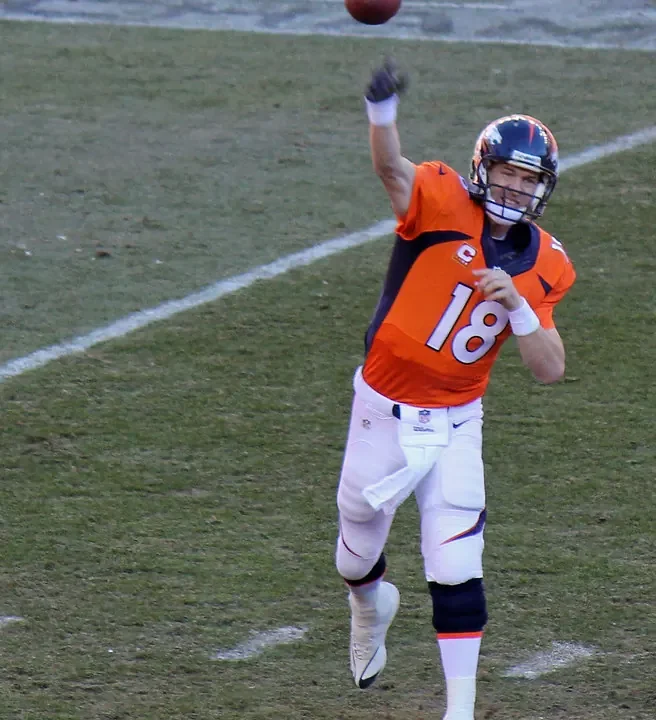
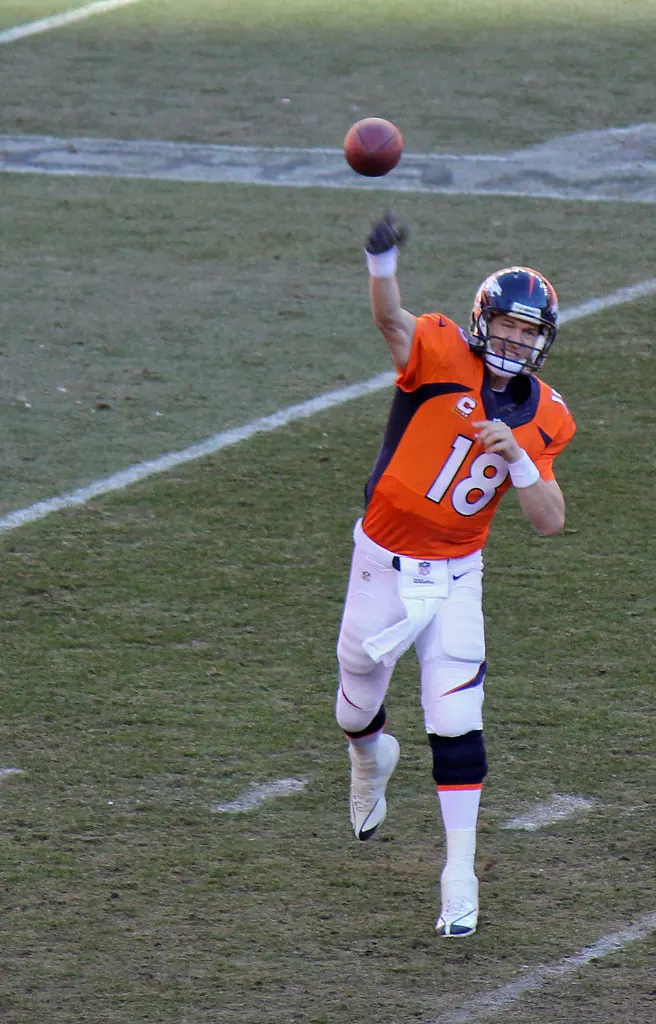
The NFL quarterback position is often defined by its star power. Names like Mahomes, Allen, and Burrow evoke images of electrifying throws, last-second heroics, and the sheer talent required to lead a team. For years, draft boards and contract negotiations have heavily favored raw arm strength, accuracy, and traditional passing statistics. However, as the league evolves and analytics become more ingrained, the valuation of an NFL quarterback is undergoing a subtle but significant shift. It’s no longer solely about who has the strongest arm or the highest passer rating; the true value lies in a complex interplay of scheme fit, clutch performance, and the ability to elevate an entire team, often in ways that traditional box scores fail to capture.
This evolution prompts a crucial question for general managers, coaches, and fans alike: what truly makes an NFL quarterback valuable in today’s game? While elite physical tools remain a baseline requirement for many, the modern landscape demands a more nuanced understanding. Factors such as a quarterback’s ability to thrive within a specific offensive scheme, their consistency under pressure, and their impact on the overall success of their team are increasingly becoming the differentiators.
Why This Matters Now
The sheer volume of capital invested in starting quarterbacks – both in draft picks and salary cap space – makes understanding their true value paramount. Teams that correctly assess and acquire a quarterback who fits their long-term vision and strategic approach are positioned for sustained success. Conversely, misjudging a quarterback’s value can lead to years of stagnation, wasted resources, and a cycle of rebuilding. The recent surge in quarterback contracts, with multiple players eclipsing $50 million annually, underscores the immense financial stakes involved. This financial inflation, coupled with the league’s increasing emphasis on offensive firepower, necessitates a deeper dive into what constitutes genuine quarterback value.
Furthermore, the increasing sophistication of defensive schemes and the league-wide push for more parity means that a quarterback’s ability to adapt and overcome challenges is more critical than ever. It’s not just about executing plays; it’s about making the right reads, managing the game effectively, and consistently making the plays that win close contests. This is where the intangible qualities, often difficult to quantify, begin to shine through.
What Sources Show
Official NFL data provides a foundation for understanding player performance. Websites like NFL.com offer box scores, game summaries, and injury reports, giving us the raw statistics that have long been the bedrock of player evaluation. For instance, a quarterback’s completion percentage, touchdown-to-interception ratio, and yards per attempt are still vital metrics. However, these figures alone do not tell the whole story.
Analytics sites and reputable sports media outlets offer deeper insights. Pro Football Focus (PFF), for example, meticulously grades every snap, providing a more granular look at quarterback performance beyond basic statistics. Their analysis often highlights a quarterback’s accuracy under pressure, their decision-making in critical situations, and their efficiency within a particular offensive system. ESPN and The Athletic provide in-depth analysis from seasoned reporters and analysts who often contextualize a quarterback’s performance within the broader narrative of their team’s success and the challenges they face. These sources are crucial for understanding how a quarterback’s contributions translate to wins and losses, and how they perform against different defensive schemes.
A look at recent contract trends, often reported by outlets like ESPN’s NFL Insiders or other reputable sports business journalists, reveals a market that is highly sensitive to perceived upside and recent success. However, it also highlights the risk associated with overpaying for potential that may not materialize or for a player whose strengths are heavily reliant on a specific supporting cast or scheme.
Competing Readings on Value
One dominant reading of quarterback value centers on “arm talent” and traditional passing metrics. This perspective emphasizes players with exceptional physical gifts – the ability to make every throw on the field, often with velocity and pinpoint accuracy. Think of the classic pocket passer or the dual-threat quarterback who can extend plays with their legs and deliver a strike downfield. This viewpoint often leads to prioritizing quarterbacks who put up gaudy statistical numbers, regardless of the surrounding talent or the complexity of the offensive scheme.
A competing, and increasingly influential, reading focuses on “game management” and “scheme fit.” This perspective argues that the best quarterbacks are those who can consistently make the right decisions, avoid costly mistakes, and execute the plays called by their offensive coordinator. Their value isn’t in making impossible throws every down, but in consistently making the *right* throw or decision, whether it’s a checkdown to avoid a sack, a touch pass over a linebacker, or a deep ball into coverage when the opportunity arises. This view also emphasizes how well a quarterback operates within their team’s offensive system. A quarterback who excels in a West Coast offense might struggle in a vertical, RPO-heavy scheme, and vice-versa. Their value is maximized when their strengths align with the team’s offensive philosophy.
A third perspective highlights “clutch performance” and “impact on winning.” This is perhaps the most elusive to quantify but arguably the most important. It looks beyond individual statistics to a quarterback’s ability to lead game-winning drives, perform at a high level in critical moments (third downs, red zone), and elevate the play of those around them. This reading often considers factors like a quarterback’s poise under pressure, their leadership presence in the huddle, and their ability to overcome adversity. Analyzing fourth-quarter comebacks or a quarterback’s performance in playoff games can offer insights into this aspect of their value.
What Could Change Next
The ongoing development of offensive schemes and defensive strategies will continue to shape quarterback valuations. We are already seeing a greater emphasis on quarterbacks who can execute RPOs (run-pass options) effectively and make quick decisions in condensed pockets. As defensive schemes become more complex and specialized, the ability of a quarterback to process information rapidly and adapt will become even more crucial.
The role of analytics will undoubtedly expand. Expect to see more sophisticated metrics that attempt to isolate a quarterback’s contribution from the performance of their offensive line, receivers, and play-calling. Metrics that measure a quarterback’s efficiency on third downs, their success rate on intermediate passes, or their ability to avoid negative plays will likely gain prominence.
Furthermore, the increasing prevalence of mobile quarterbacks who can pose a threat both through the air and on the ground will continue to push the boundaries of traditional evaluation. Teams will need to assess not only their passing prowess but also their vision, decision-making, and durability as runners.
What Remains Unclear
Despite advancements in analytics and scouting, a degree of subjectivity will always remain in quarterback evaluation. The intangible qualities – leadership, mental toughness, and the ability to inspire a team – are notoriously difficult to measure objectively. While statistics and film study can provide a strong foundation, the “it factor” that separates good quarterbacks from elite ones remains somewhat of a mystery.
The long-term impact of injuries on a quarterback’s performance and subsequent valuation is also an area that requires careful consideration. While official injury reports provide immediate updates, the lingering effects of significant injuries can be hard to predict and often impact a quarterback’s mobility, arm strength, and confidence.
Finally, the interplay between a quarterback and their coaching staff is a critical, yet often under-analyzed, component of success. A quarterback who thrives under one offensive system and coordinator might falter under another. Isolating the quarterback’s individual contribution from the effectiveness of the coaching and scheme remains a significant challenge.
Here’s a look at some key factors influencing quarterback valuation:
| Factor | Description | Importance (Low to High) |
|---|---|---|
| Arm Talent | Raw physical ability to throw with velocity and distance. | High |
| Accuracy | Ability to consistently place the ball where receivers can catch it. | High |
| Decision Making | Ability to read defenses and choose the correct play or target. | Very High |
| Scheme Fit | How well a quarterback’s strengths align with the offensive system. | Very High |
| Clutch Performance | Ability to perform at a high level in critical game situations. | Very High |
| Game Management | Consistency in avoiding mistakes and executing the game plan. | High |
| Leadership/Poise | Inspiring confidence in teammates and maintaining composure under pressure. | High |
| Rushing Ability | Threat as a runner, both designed and improvisational. | Medium to High |
| Statistical Output | Traditional passing yards, TDs, completion percentage, etc. | Medium |
Ultimately, the valuation of an NFL quarterback is a dynamic and multifaceted process. While arm talent and traditional statistics will always be important, a more holistic approach that considers scheme fit, clutch performance, and the intangible qualities that drive team success is essential for accurately assessing a player’s true value in today’s competitive league. Teams that master this nuanced evaluation will be best positioned to build lasting success.
Related news

Eagles and Jaguars Set for London Showdown at Tottenham Hotspur Stadium
The Philadelphia Eagles and Jacksonville Jaguars meet in London on October 11, 2026. Here is the kickoff time, broadcast details, international game…
Read story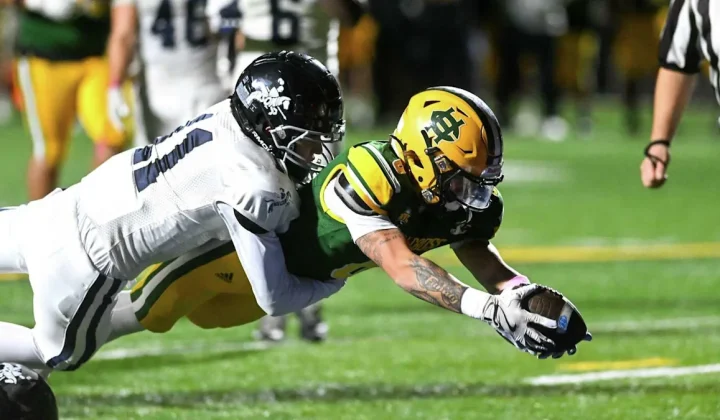
Holy Cross football ends 16-year drought against Ansonia behind Nate Craft’s four touchdowns
The Crusaders overcame a third-quarter deficit to beat Ansonia 48-37, snapping a losing streak that dated back to 2009 and improving to…
Read story
Guardians Force Winner-Take-All ALDS Game 5 With Six-Run Sixth Inning in Chicago
Cleveland scored six runs in the sixth inning to beat the White Sox 9-5 in Game 4 of the ALDS, setting up…
Read story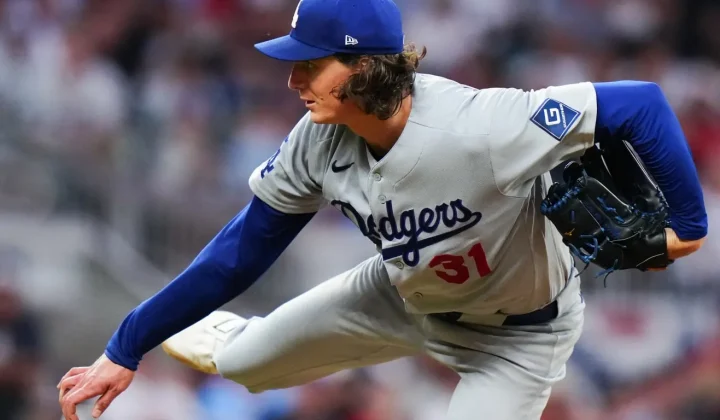
Dodgers Take Commanding 3-1 NLDS Lead Behind Glasnow’s Gritty Outing in Atlanta
Tyler Glasnow battled through command issues but limited Atlanta to one run over 4 2/3 innings as Los Angeles took a 3-1…
Read storyRelated wiki

MLB Wild Card Rules Explained: Format, Tiebreakers & Postseason Impact
How the MLB wild card works in the current postseason format, including tiebreaker procedures, the 3-game series structure, and what it means…
Read storyPlayoff race
Reference page for playoff race language, qualification lines, tiebreakers and games-in-hand context.
Read story