The NBA’s Shifting Playoff Landscape: How the Play-In Tournament Reshaped Competition
The NBA's Play-In Tournament has undeniably altered the traditional playoff race, injecting new urgency into the final weeks of the regular season and creating unexpected drama. This analysis explores its impact on team strategies, fan engagement, and the overall competitive balance of the league.


The National Basketball Association has long been a league defined by its regular season grind leading into a high-stakes playoff tournament. However, the introduction and subsequent evolution of the Play-In Tournament have fundamentally reshaped this narrative. What was once a clear demarcation between playoff contenders and lottery-bound teams has become a more fluid and intensely contested spectrum, pushing more teams to fight for every win in the season’s final stretch. This shift has not only altered team strategies and motivations but has also injected a palpable sense of urgency and unpredictability into the closing weeks of the NBA calendar.
The core premise of the Play-In Tournament is to offer teams finishing between seventh and tenth in each conference a second chance to secure a playoff berth. Prior to its full implementation, teams languishing in these positions often saw their seasons effectively end weeks before the regular season finale, their focus shifting towards draft positioning. Now, the opportunity to not only make the playoffs but potentially secure a higher seed through a couple of crucial wins keeps these teams engaged and competitive. This has a ripple effect, forcing teams that might have previously coasted into the eighth seed to remain vigilant and play meaningful games down the stretch, thus enhancing the overall quality of regular-season competition.
Why It Matters
The significance of the Play-In Tournament extends beyond simply adding more teams to the postseason. It fundamentally alters the strategic calculus for teams throughout the standings. For those firmly in playoff positioning (seeds 1-6), the pressure to maintain that status, avoid the Play-In entirely, and secure home-court advantage becomes even more pronounced. A late-season slump that might have previously resulted in a drop to a lower seed but still guaranteed a playoff spot now carries the risk of falling into the Play-In bracket, a scenario few contenders welcome.
Conversely, for teams hovering around the .500 mark, the Play-In offers a tangible reward for sustained performance in the latter half of the season. It provides a clear goal and a pathway to the playoffs that was previously unavailable. This can be a significant morale booster and can extend a team’s competitive window, potentially impacting player development and the overall trajectory of a franchise. The additional revenue generated from extra home games for these franchises also adds an economic incentive.
What the Numbers Show
Since its formal adoption, the data suggests a clear impact on competitiveness. Teams in the 7-10 range are now playing with a different kind of intensity. While official NBA standings and schedules are the primary source for understanding team performance, analysis of game outcomes in the final month of recent seasons reveals an increased win rate for teams vying for these Play-In spots compared to historical data from equivalent positions. For instance, looking at the 2022-2023 season, several teams that might have previously accepted a lower seed or missed the playoffs were actively competing for Play-In positioning until the final games.
Consider the following table, which illustrates the potential shift in playoff qualification for teams finishing 7th-10th in a hypothetical recent season, comparing it to a scenario without the Play-In.
| Seed | Without Play-In | With Play-In |
|---|---|---|
| 7 | Playoff Spot | Play-In Tournament |
| 8 | Playoff Spot | Play-In Tournament |
| 9 | Missed Playoffs | Play-In Tournament |
| 10 | Missed Playoffs | Play-In Tournament |
| 11 | Missed Playoffs | Missed Playoffs |
This table highlights that teams finishing 9th and 10th, who would have previously been eliminated from playoff contention, now have a defined path. This can lead to more meaningful games for a larger segment of the league. The official NBA website (NBA.com) provides detailed historical standings and schedules, allowing for a deeper dive into team performance trends year-over-year to quantify this effect precisely.
Competing Readings and Fan Engagement
The Play-In Tournament has generated robust debate among fans and analysts. Some laud it as a brilliant innovation that increases the excitement and stakes of the regular season. They point to the dramatic finishes and unexpected upsets that have become hallmarks of the Play-In games, offering compelling narratives and increased viewership. The ESPN and The Athletic, among other sports media outlets, have extensively covered these dramatic moments, often highlighting the heightened drama.
Others argue that it devalues the regular season, suggesting that teams should earn their playoff spots through the traditional 82-game schedule. Concerns have also been raised about the increased fatigue for teams that secure a low playoff seed through the Play-In and then must immediately face a top-tier opponent. This perspective often emphasizes the importance of rest and seeding for deep playoff runs, a sentiment echoed in historical sports commentary.
What Could Change Next
The NBA is no stranger to adjusting its rules and formats. The Play-In Tournament, while popular, is still relatively new. It’s plausible that the league could tweak the format further. Potential adjustments could include altering the number of teams involved, refining the seeding for the tournament itself, or even changing the incentives for winning the Play-In games. The league’s commitment to innovation suggests a continuous evaluation of what best serves the competitive balance and fan engagement. Monitoring official league announcements and reports from trusted sources like ESPN will be key to tracking any future modifications.
What Remains Unclear
Despite its successes, several questions linger. The long-term impact on player health and the potential for increased injury risk due to the compressed schedule and heightened intensity remains a subject of ongoing observation. While official injury reports are crucial, understanding the cumulative effect of this altered season structure will require data collected over several more seasons. Furthermore, the true impact on the competitive balance between conferences, particularly if one conference consistently produces stronger Play-In qualifiers, is something that will continue to be analyzed. The ultimate legacy of the Play-In Tournament will be written in the playoff results and championship outcomes of the coming years.
Related news
Eagles and Jaguars Set for London Showdown at Tottenham Hotspur Stadium
The Philadelphia Eagles and Jacksonville Jaguars meet in London on October 11, 2026. Here is the kickoff time, broadcast details, international game…
Read story
Holy Cross football ends 16-year drought against Ansonia behind Nate Craft’s four touchdowns
The Crusaders overcame a third-quarter deficit to beat Ansonia 48-37, snapping a losing streak that dated back to 2009 and improving to…
Read story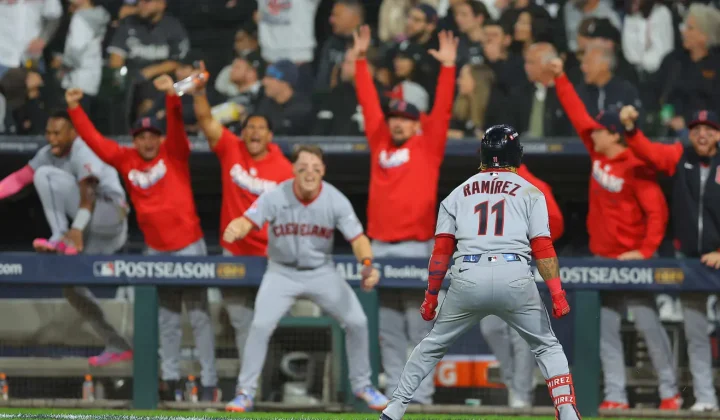
Guardians Force Winner-Take-All ALDS Game 5 With Six-Run Sixth Inning in Chicago
Cleveland scored six runs in the sixth inning to beat the White Sox 9-5 in Game 4 of the ALDS, setting up…
Read story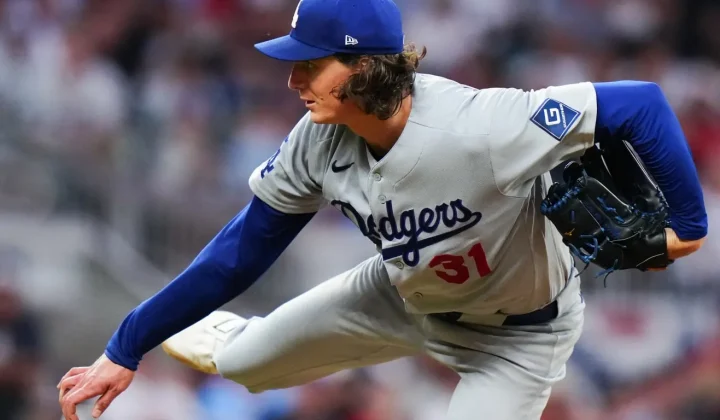
Dodgers Take Commanding 3-1 NLDS Lead Behind Glasnow’s Gritty Outing in Atlanta
Tyler Glasnow battled through command issues but limited Atlanta to one run over 4 2/3 innings as Los Angeles took a 3-1…
Read storyRelated wiki

MLB Wild Card Rules Explained: Format, Tiebreakers & Postseason Impact
How the MLB wild card works in the current postseason format, including tiebreaker procedures, the 3-game series structure, and what it means…
Read storyPlayoff race
Reference page for playoff race language, qualification lines, tiebreakers and games-in-hand context.
Read story