The NBA’s Shifting Power Dynamics: Analyzing the Midseason Trade Landscape
As the NBA season progresses, a close examination of midseason trades reveals how team strategies and player movements are reshaping the league's competitive balance.
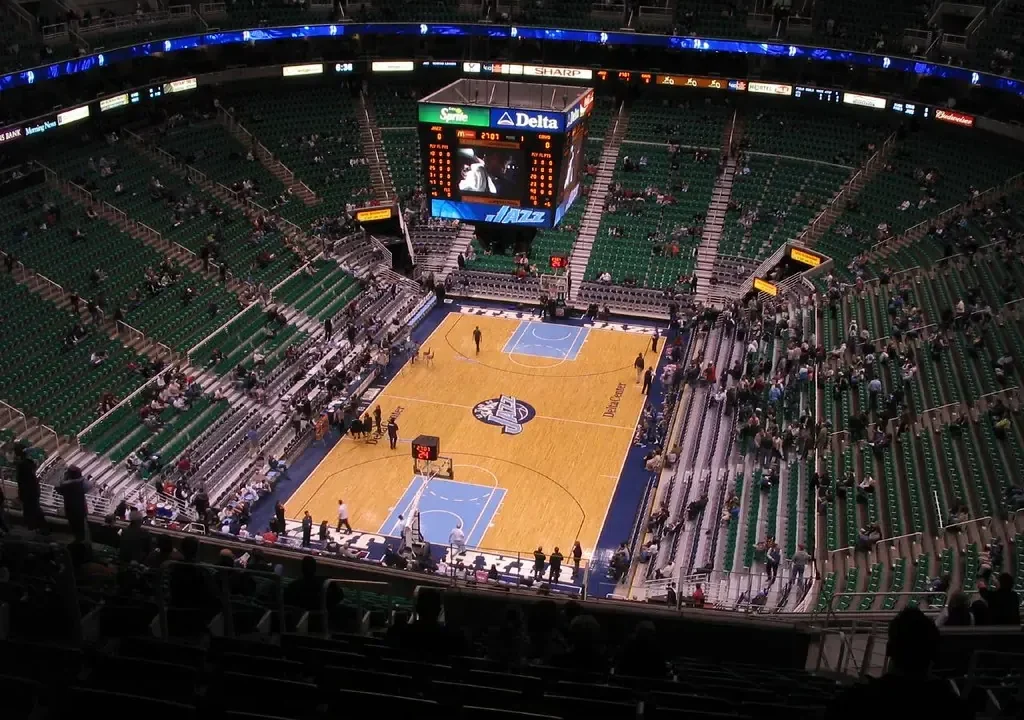
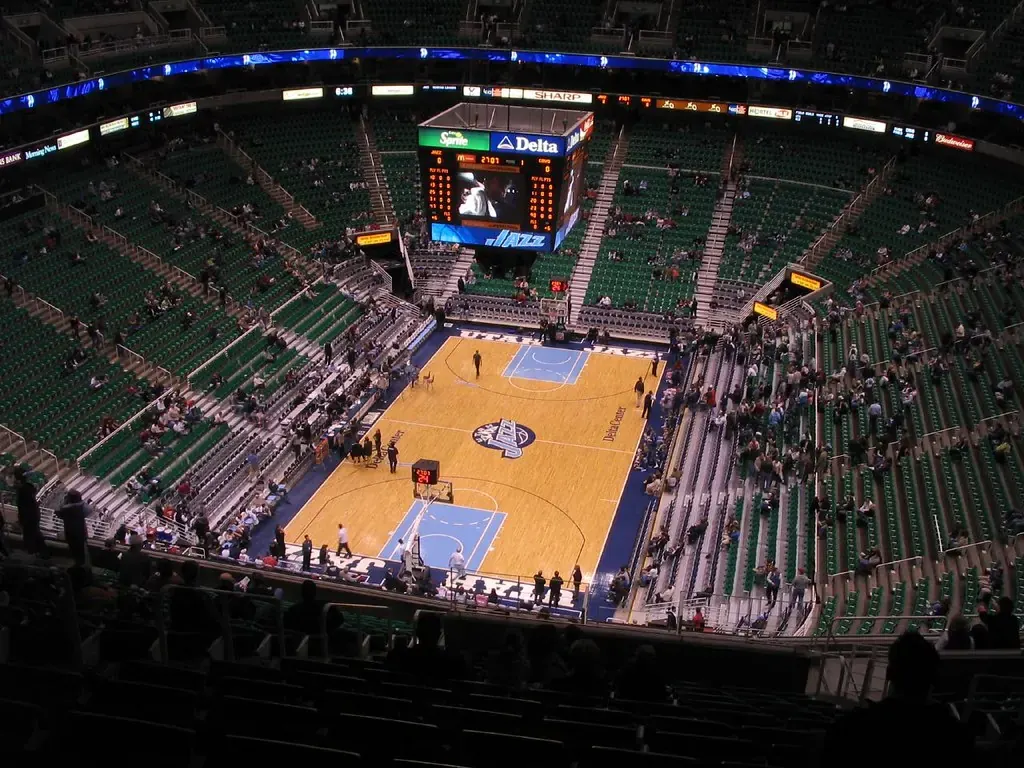
The NBA season is a marathon, not a sprint, and the stretch between the holiday season and the trade deadline often becomes a crucible for teams vying for contention. This period is defined by an intense strategic calculus: which teams are buyers, willing to sacrifice future assets for immediate impact, and which are sellers, looking to reshuffle their roster for a rebuild or to shed salary? Analyzing the midseason trade landscape is crucial for understanding the league’s shifting power dynamics, as these transactions can dramatically alter playoff races, define team identities, and set the stage for future seasons.
This analysis will delve into the strategic motivations behind common midseason trade archetypes, examine how specific player movements are impacting team performance and outlooks, and consider the broader implications for the NBA’s competitive balance. By dissecting the financial, on-court, and long-term strategic considerations, we can gain a clearer picture of how these crucial decisions are reshaping the league.
Why the Midseason Trade Deadline Matters
The NBA’s midseason trade deadline, typically in February, is more than just a logistical checkpoint; it’s a pivotal moment that reflects a team’s assessment of its current standing and future potential. For teams on the cusp of contention, trades offer a chance to acquire a missing piece – a star scorer, a defensive anchor, or a veteran playmaker – to elevate their championship aspirations. These moves are often aggressive, involving significant draft capital or promising young talent, signaling a win-now mentality.
Conversely, teams languishing at the bottom of the standings or facing long-term roster imbalances often turn into sellers. Their motivation is to gain future assets, such as draft picks, or to clear salary cap space for future free agency. These transactions, while less glamorous, are vital for long-term sustainability and can set the foundation for a future rebuild.
The impact of these trades extends beyond the individual teams involved. A blockbuster deal can alter the landscape of an entire conference, shifting playoff seeding and creating new rivalries. Furthermore, the ripple effect of a significant player movement can influence other teams’ strategies, potentially forcing them to adjust their own trade targets or even reconsider their season’s trajectory.
What Sources Show About Current Trends
Examining recent trade activity and patterns provides insight into the current strategic calculus of NBA front offices. For instance, teams like the Phoenix Suns have recently made significant moves to consolidate talent around their star players, prioritizing immediate championship contention. Their acquisition of Kevin Durant in a previous season, though costly in terms of draft picks, exemplified this “all-in” approach. Similarly, teams often look to address specific needs that emerge during the season. A team struggling with perimeter defense might target a lockdown wing defender, or a squad lacking consistent scoring could pursue a reliable offensive threat.
Official league transaction pages and reputable sports news outlets are primary sources for tracking these movements. For example, tracking team pages on NBA.com or official press releases from franchises provides concrete data on who was traded, for whom, and the associated draft pick compensation. Secondary sources like ESPN, The Athletic, and CBS Sports offer expert analysis and context, helping to interpret the strategic rationale behind these deals. These outlets often break down the financial implications, such as salary cap implications and luxury tax considerations, which are critical factors in any trade.
Consider the example of a team needing a reliable backup point guard. Official injury reports might highlight a key player’s absence, prompting a team to seek immediate reinforcements. News reports from trusted sources then detail the trade that brings in a veteran floor general, often citing the team’s need to maintain offensive consistency during the absence of their starter.
Competing Readings and Strategic Considerations
The interpretation of a trade’s success is rarely immediate and often involves competing readings. A team might acquire a highly-touted player, but if that player doesn’t fit the existing scheme or chemistry, the trade can be deemed a failure. The Los Angeles Lakers’ acquisition of Russell Westbrook, for example, was a high-profile move that, despite the individual talent, ultimately did not yield the desired team success due to fit and performance issues.
Furthermore, the long-term implications of draft picks involved in trades can be a significant point of contention. A team that trades away multiple future first-round picks for a star player faces immense pressure to win immediately. If that star player underperforms or departs, the team could be left with a depleted future outlook. Conversely, a team that successfully uses acquired draft picks to find impactful young talent can benefit for years to come, even if their current season is not one of contention.
The financial aspect of trades is also a critical area of analysis. Teams must navigate salary cap constraints and luxury tax penalties. A trade that seems beneficial on the court might be financially unsustainable, forcing difficult decisions in subsequent seasons. Understanding a team’s financial flexibility and long-term spending plans is crucial to evaluating the true value of a midseason acquisition.
What Could Change Next
The aftermath of the trade deadline often reveals the true winners and losers. Teams that masterfully navigated the deadline, addressing needs without mortgaging their future, are often in a stronger position heading into the postseason. Conversely, teams that made desperate, ill-advised moves might find themselves in a worse predicament than before.
The integration of new players into existing team systems is a key factor. Chemistry, coaching adjustments, and player roles all need to coalesce for a trade to be truly successful. A team that trades for a star scorer might find their offensive flow disrupted if the new player doesn’t complement existing offensive schemes. Similarly, a defensive acquisition needs to integrate seamlessly into the team’s defensive schemes and rotations.
Fan and media reaction can also play a role, albeit indirectly. While front office decisions should be driven by objective analysis, sustained negative sentiment can sometimes create internal pressure. However, the ultimate arbiter of a trade’s success is on-court performance and championship outcomes.
What Remains Unclear
Despite the extensive analysis and reporting surrounding NBA trades, several elements remain inherently uncertain. The long-term impact of draft picks is perhaps the most significant unknown. A pick that seems valuable today could turn out to be a late lottery selection or even a second-round pick if the team it belongs to improves significantly. Conversely, a seemingly protected pick could end up being a high lottery selection if the team falters.
Player development is another major variable. A young player traded to a new team might thrive in a different environment, exceeding expectations. Conversely, a veteran player might experience a decline in performance due to age, injury, or a change in role. The unpredictable nature of player health also looms large. A season-altering injury to a newly acquired star can instantly nullify the benefits of a blockbuster trade.
Here’s a look at hypothetical trade impacts on team standings:
| Team | Pre-Trade Standings (Example) | Post-Trade Outlook (Analysis) | Key Acquisition (Example) | Primary Motivation |
|---|---|---|---|---|
| Contender A | 3rd in Conference | Improved Championship Odds | Star Forward | Immediate Title Push |
| Rebuilding B | 14th in Conference | Future Draft Capital Secured | Multiple Future Picks | Long-Term Rebuild |
| Playoff C | 7th in Conference | Solidified Playoff Spot | Veteran Guard | Roster Depth & Stability |
| Fringe Playoff D | 9th in Conference | Increased Uncertainty | Developing Prospect | Future Potential |
Ultimately, the NBA’s midseason trade deadline is a dynamic and often unpredictable event. While analysis of team needs, player performance, and financial considerations can provide valuable insights, the true success of any trade is often revealed only in the crucible of the postseason, or even in seasons to come. The constant flux of talent ensures that the league remains a compelling narrative of strategic maneuvering and athletic achievement.
Related news

Eagles and Jaguars Set for London Showdown at Tottenham Hotspur Stadium
The Philadelphia Eagles and Jacksonville Jaguars meet in London on October 11, 2026. Here is the kickoff time, broadcast details, international game…
Read story
Holy Cross football ends 16-year drought against Ansonia behind Nate Craft’s four touchdowns
The Crusaders overcame a third-quarter deficit to beat Ansonia 48-37, snapping a losing streak that dated back to 2009 and improving to…
Read story
Guardians Force Winner-Take-All ALDS Game 5 With Six-Run Sixth Inning in Chicago
Cleveland scored six runs in the sixth inning to beat the White Sox 9-5 in Game 4 of the ALDS, setting up…
Read story
Dodgers Take Commanding 3-1 NLDS Lead Behind Glasnow’s Gritty Outing in Atlanta
Tyler Glasnow battled through command issues but limited Atlanta to one run over 4 2/3 innings as Los Angeles took a 3-1…
Read storyRelated wiki

MLB Wild Card Rules Explained: Format, Tiebreakers & Postseason Impact
How the MLB wild card works in the current postseason format, including tiebreaker procedures, the 3-game series structure, and what it means…
Read storyPlayoff race
Reference page for playoff race language, qualification lines, tiebreakers and games-in-hand context.
Read story