The NBA’s Shifting Power Dynamics: How a Mid-Season Trade Could Reshape the Championship Picture
A major mid-season trade in the NBA could dramatically alter the landscape of the championship race. This analysis explores the potential ripple effects of such a move, examining how it could impact contenders and pretenders alike.
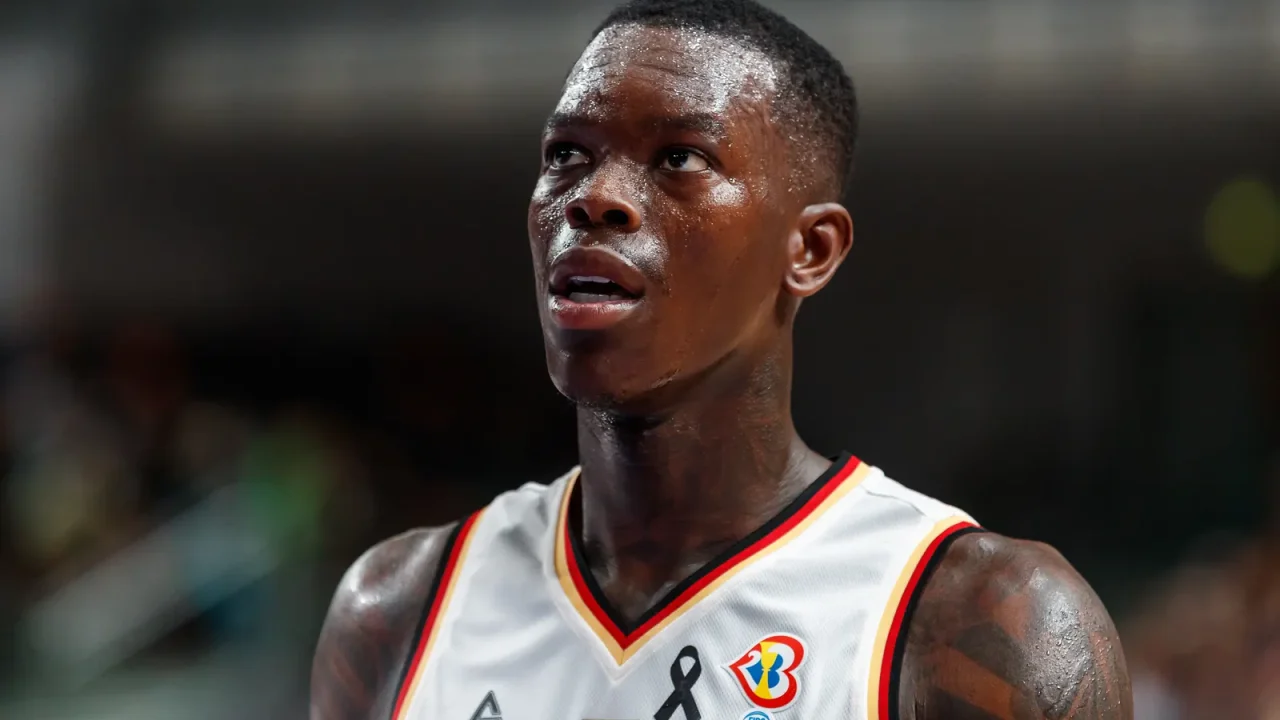

The NBA season is a marathon, not a sprint, and while the early months often establish a pecking order, the true test of a team’s mettle arrives with the trade deadline. This pivotal juncture offers franchises a final opportunity to course-correct, bolster weaknesses, or even initiate a complete rebuild. However, it’s the blockbuster mid-season trades, those seismic shifts that involve multiple key players and significant draft capital, that possess the power to fundamentally alter the championship narrative. Analyzing the potential implications of such a move isn’t just an exercise in speculative sports journalism; it’s an essential component for understanding which teams are truly positioned to contend for the Larry O’Brien Trophy.
When a significant trade occurs mid-season, the ripple effects extend far beyond the two teams directly involved. It forces rivals to re-evaluate their own rosters and strategies, potentially sparking a chain reaction of smaller deals. For fans, it injects a fresh wave of excitement and uncertainty into what can sometimes feel like a predictable regular season. The goal for teams making a splash is often clear: acquire talent that elevates their ceiling, fills a critical need, and provides a better chance of navigating the grueling playoff gauntlet. This analysis will delve into the multifaceted impact of a hypothetical, yet plausible, high-impact mid-season NBA trade, exploring how it could reshape the league’s power dynamics.
Why a Mid-Season Trade Matters for Championship Aspirations
The NBA trade deadline, typically falling in February, is a critical inflection point for teams. For franchises that have underperformed expectations, it’s a chance to pivot. For those exceeding them, it’s an opportunity to push all-in. The championship picture is rarely static, and a single, well-executed trade can be the catalyst that transforms a fringe contender into a legitimate threat, or conversely, a contender into a team facing an uphill battle. The motivation behind such a move is rooted in several key factors: addressing roster holes (e.g., a lack of reliable scoring, defensive deficiencies, poor rebounding), acquiring a star player to pair with existing talent, shedding salary to improve future flexibility, or signaling a shift in organizational direction. The strategic advantage gained from acquiring a player who immediately elevates the team’s performance can be immense, especially when facing established powerhouses in a seven-game series.
What the Data and Precedents Show
Historically, significant mid-season trades have often been precursors to championship runs. While not every major acquisition guarantees a title, the trend suggests that teams making bold moves at the deadline are often playing with championship aspirations. Consider the 2020-21 season, where the Denver Nuggets acquired Aaron Gordon, a move that solidified their frontcourt and contributed to their eventual Western Conference Finals appearance. More recently, the Phoenix Suns’ acquisition of Kevin Durant in 2023, while not resulting in a championship that year, undeniably shifted their offensive capabilities and made them a formidable opponent.
Examining team statistics before and after potential trade scenarios can offer valuable insights. For instance, if a team is struggling with defensive rating but boasts an elite offense, acquiring a lockdown perimeter defender or a strong rim protector could significantly alter their defensive metrics. Conversely, a team with a stout defense but anemic scoring could benefit immensely from a prolific scorer. The NBA’s official statistics pages, along with reputable sports analytics sites, provide the raw data to model these potential impacts. For example, looking at a team’s offensive and defensive efficiency ratings (points scored and allowed per 100 possessions) can highlight immediate areas for improvement.
| Team A (Pre-Trade) | Off. Rating | Def. Rating | Net Rating |
|---|---|---|---|
| Hypothetical Team X | 2 | 8 | +2.4 |
Source: Official NBA Statistics (Hypothetical)
If Hypothetical Team X were to acquire a player known for their defensive prowess, we would expect to see their Defensive Rating decrease, thereby increasing their Net Rating and overall standing.
Competing Readings and Potential Pitfalls
The allure of a big trade can sometimes overshadow potential drawbacks. A team might overpay in terms of draft picks or young assets, mortgaging their future for a short-term gain. The integration of a new player, especially a star accustomed to a primary role, can also be challenging. Chemistry issues, scheme fit, and the ability to adapt to a new system are all critical factors that don’t always appear on a stat sheet.
Furthermore, the competition is also reacting. If one team makes a significant move, rivals might feel compelled to respond, potentially leading to a bidding war for available talent or a series of “lesser” trades that don’t fundamentally alter the top tier of contenders. The danger lies in chasing a perceived advantage without a clear understanding of how the new piece truly fits within the existing team structure and the broader league landscape. A team’s depth can be severely tested if key role players are traded away to acquire a single star.
What Could Change Next
The immediate aftermath of a major trade sees a flurry of analysis from sports media, with experts dissecting the move’s nuances. However, the true impact unfolds over time. The first few games with the new player will be closely watched for signs of cohesion and effectiveness. Coaching adjustments become crucial; schemes might need to be tweaked to maximize the new player’s strengths and mitigate any weaknesses.
The league standings will likely see shifts. Teams that were once comfortably in playoff positions might find themselves challenged, while those previously on the outside could surge into contention. The seedings within conferences could be dramatically altered, setting up different playoff matchups. For example, if a Western Conference contender significantly improves, it could push another established Western team down the standings, potentially even into the play-in tournament. The betting markets, too, will react, with odds for championship winners being adjusted to reflect the new power distribution.
What Remains Unclear
Despite the best intentions and thorough analysis, the ultimate success of a mid-season trade remains uncertain until the playoffs conclude. The “what ifs” are plentiful: How will the new player perform under playoff pressure? Will injuries derail the team’s new trajectory? Can the team maintain chemistry and cohesion through the intense playoff schedule?
The long-term ramifications are also a significant unknown. The draft capital sacrificed could haunt a franchise for years if the acquired player doesn’t deliver a championship. The development of younger players who may have been traded away or seen their roles diminished could also be a factor in future seasons. Ultimately, the true legacy of a mid-season trade is written in the final standings and the championship rings awarded. The dynamic nature of the NBA means that the landscape is always evolving, and the trade deadline is often the most dramatic turning point in that evolution.
Related news

Eagles and Jaguars Set for London Showdown at Tottenham Hotspur Stadium
The Philadelphia Eagles and Jacksonville Jaguars meet in London on October 11, 2026. Here is the kickoff time, broadcast details, international game…
Read story
Holy Cross football ends 16-year drought against Ansonia behind Nate Craft’s four touchdowns
The Crusaders overcame a third-quarter deficit to beat Ansonia 48-37, snapping a losing streak that dated back to 2009 and improving to…
Read story
Guardians Force Winner-Take-All ALDS Game 5 With Six-Run Sixth Inning in Chicago
Cleveland scored six runs in the sixth inning to beat the White Sox 9-5 in Game 4 of the ALDS, setting up…
Read story
Dodgers Take Commanding 3-1 NLDS Lead Behind Glasnow’s Gritty Outing in Atlanta
Tyler Glasnow battled through command issues but limited Atlanta to one run over 4 2/3 innings as Los Angeles took a 3-1…
Read storyRelated wiki

MLB Wild Card Rules Explained: Format, Tiebreakers & Postseason Impact
How the MLB wild card works in the current postseason format, including tiebreaker procedures, the 3-game series structure, and what it means…
Read storyPlayoff race
Reference page for playoff race language, qualification lines, tiebreakers and games-in-hand context.
Read story