The NBA’s Unpredictable Playoff Race: Early Surprises and Shifting Tides
As the NBA season progresses, several teams have defied expectations, while others have struggled to find their footing. This analysis delves into the key factors influencing the unpredictable playoff picture.

The NBA season is a marathon, not a sprint, and as we move through the early-to-mid stages, the playoff picture is already shaping up to be one of the most intriguing in recent memory. While perennial contenders like the Boston Celtics and Denver Nuggets are largely holding serve, a host of other teams are either exceeding expectations or falling short, creating a dynamic and unpredictable race for postseason berths. This analysis will explore the key storylines, data-driven insights, and potential shifts that are defining the current NBA playoff landscape.
Why This Playoff Race Matters
The parity and unpredictability in today’s NBA playoffs offer fans compelling narratives and genuine uncertainty. For readers, understanding these early-season trends is crucial for identifying potential dark horses, recognizing teams that might be overperforming, and anticipating which established powers could face unexpected challenges. This season, in particular, seems poised for a shake-up, with several teams showcasing new talent, tactical adjustments, or a renewed sense of urgency that could drastically alter the balance of power. The ability to spot these developments early allows fans to better appreciate the unfolding drama and make more informed decisions about which games and storylines to follow closely.
What the Numbers Show
Early season statistics and standings paint a vivid picture of the current NBA playoff race. Teams like the Oklahoma City Thunder, led by a young, dynamic core, have consistently outperformed preseason expectations, positioning themselves comfortably in the Western Conference’s top tier. Their impressive offensive efficiency and clutch-time execution, often fueled by Shai Gilgeous-Alexander’s stellar play, have been a significant surprise. Conversely, teams that were expected to contend, such as the Philadelphia 76ers (prior to Joel Embiid’s injury) or the Los Angeles Lakers, have faced bouts of inconsistency, battling injuries and roster questions that have impacted their standing.
The Eastern Conference is no less competitive. Beyond the Celtics’ dominance, the Milwaukee Bucks have shown flashes of brilliance under their new coaching staff, while teams like the Indiana Pacers and Cleveland Cavaliers are solidifying their positions with strong offensive outputs and improved defensive schemes. The race for the final playoff spots in both conferences is particularly tight, with multiple teams clustered closely in the standings, indicating that tiebreakers and head-to-head matchups will likely play a significant role as the season progresses. Advanced metrics, such as offensive and defensive ratings, net rating, and player efficiency ratings (PER), are essential for dissecting these trends beyond simple win-loss records.
Here’s a snapshot of some early-season trends:
| Team | Conference | Current Standing (Example) | Key Storyline |
|---|---|---|---|
| Oklahoma City Thunder | West | Top 3 | Young core exceeding expectations, MVP-level play |
| Orlando Magic | East | Top 6 | Defensive identity, emerging young talent |
| Cleveland Cavaliers | East | Top 5 | Strong offensive execution, Donovan Mitchell’s impact |
| Sacramento Kings | West | Playoff Seed | Offensive consistency, playoff push |
| Indiana Pacers | East | Top 6 | High-octane offense, Tyrese Haliburton’s leadership |
Competing Readings on Team Performance
While the raw data provides a foundation, interpreting team performance requires considering various factors. For instance, the Oklahoma City Thunder’s success can be attributed not only to their young stars but also to a cohesive coaching strategy that maximizes their strengths. Their ability to close out games, a metric often indicating maturity and resilience, has been a critical component.
On the other hand, teams like the Los Angeles Lakers, despite having established superstars, have struggled with consistent offensive output and defensive lapses. Injuries to key players, as seen with Joel Embiid’s absence for the Philadelphia 76ers, dramatically alter the landscape. The 76ers, prior to Embiid’s injury, were showing strong offensive cohesion, but his extended absence forces a reevaluation of their true potential this season. Analyzing a team’s strength of schedule is also vital; a strong record against weaker opponents might not translate into similar success against top-tier competition. The ability of teams to adapt to injuries, trades, and evolving opponent strategies will be the true test of their playoff mettle.
What Could Change Next
The NBA trade deadline is a pivotal moment that can dramatically reshape the playoff race. Teams that are underperforming might look to make significant moves to shake up their rosters, while contenders may seek to add a missing piece to bolster their championship aspirations. For example, a team like the Golden State Warriors, if they find themselves on the outside looking in, could be active participants in the trade market, seeking to leverage their veteran talent. Conversely, teams that have exceeded expectations might look to make minor adjustments to solidify their depth without disrupting team chemistry.
Furthermore, player health remains a constant variable. A key injury to a star player on a top-seeded team could open the door for others to climb the standings. Conversely, the return of an injured star could propel a struggling team into playoff contention. The coaching carousel also plays a role; mid-season coaching changes can sometimes provide a much-needed spark or, conversely, lead to further instability. The evolution of team strategies, as coaches adapt to opponent tendencies and player development, will also continue to influence outcomes.
What Remains Unclear
Despite the clarity provided by early-season data, several uncertainties persist. The long-term impact of injuries, particularly to star players, remains a significant unknown for many teams. Will Joel Embiid’s return elevate the 76ers back into true contention? How will the Lakers navigate their roster challenges? The true ceiling for teams like the Thunder and Magic is also still being determined; their ability to sustain this level of play against more experienced playoff teams will be a key storyline to monitor.
The effectiveness of mid-season trades and coaching adjustments is another area of uncertainty. Will the new additions integrate seamlessly? Will a coaching change lead to sustained improvement? Finally, the psychological aspect of the playoff race cannot be overstated. Teams that have historically struggled in clutch situations may need to overcome mental hurdles to prove their legitimacy. The convergence of these factors – health, strategy, roster moves, and mental fortitude – will ultimately dictate the final NBA playoff standings. As the season unfolds, vigilant observation of these evolving dynamics will be essential for any serious NBA fan.
Related news

Eagles and Jaguars Set for London Showdown at Tottenham Hotspur Stadium
The Philadelphia Eagles and Jacksonville Jaguars meet in London on October 11, 2026. Here is the kickoff time, broadcast details, international game…
Read story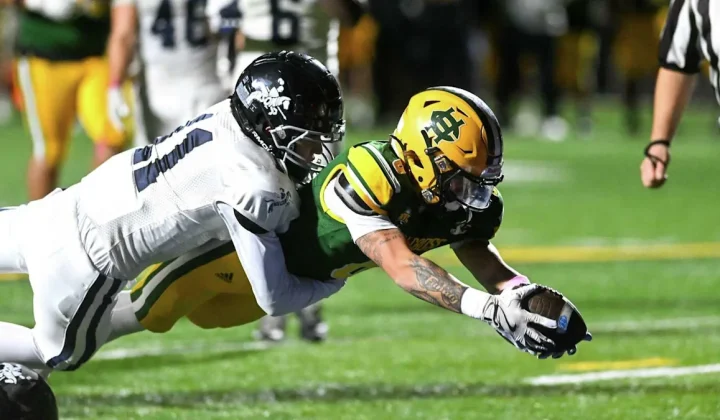
Holy Cross football ends 16-year drought against Ansonia behind Nate Craft’s four touchdowns
The Crusaders overcame a third-quarter deficit to beat Ansonia 48-37, snapping a losing streak that dated back to 2009 and improving to…
Read story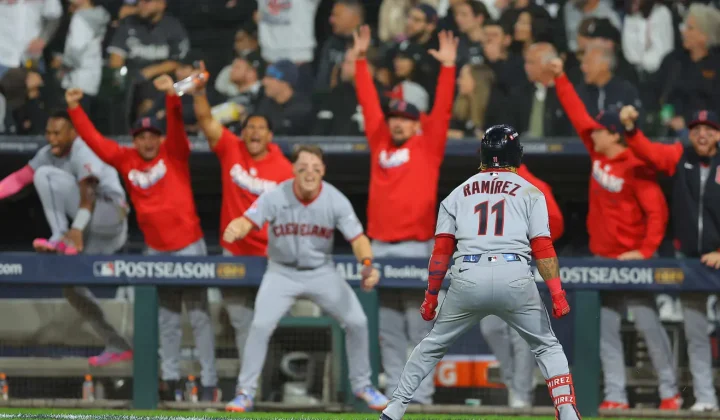
Guardians Force Winner-Take-All ALDS Game 5 With Six-Run Sixth Inning in Chicago
Cleveland scored six runs in the sixth inning to beat the White Sox 9-5 in Game 4 of the ALDS, setting up…
Read story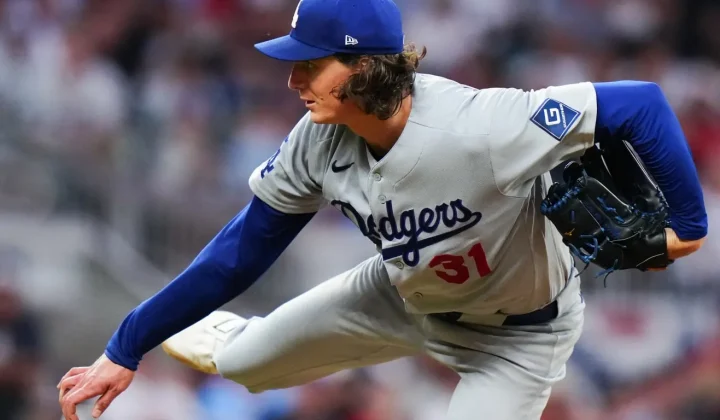
Dodgers Take Commanding 3-1 NLDS Lead Behind Glasnow’s Gritty Outing in Atlanta
Tyler Glasnow battled through command issues but limited Atlanta to one run over 4 2/3 innings as Los Angeles took a 3-1…
Read storyRelated wiki

MLB Wild Card Rules Explained: Format, Tiebreakers & Postseason Impact
How the MLB wild card works in the current postseason format, including tiebreaker procedures, the 3-game series structure, and what it means…
Read storyPlayoff race
Reference page for playoff race language, qualification lines, tiebreakers and games-in-hand context.
Read story