Pickleball: The Rapidly Growing Sport Sweeping the Nation
Explore the explosive growth of pickleball, from its simple rules and accessible gameplay to its vibrant community and why it's capturing the attention of athletes of all ages.


The sports landscape is constantly shifting, and few phenomena have captured public attention as dramatically as pickleball. This unique sport, often described as a blend of tennis, badminton, and table tennis, has experienced a meteoric rise in popularity. Its deceptive simplicity makes it easy to learn, while its strategic nuances keep seasoned players engaged. Pickleball’s inherent accessibility and strong social element have cemented its status as America’s fastest-growing sport, drawing in individuals from every age group and athletic background.
What Exactly is Pickleball?
At its heart, pickleball is played on a court smaller than a tennis court, measuring 20 feet wide by 44 feet long. The net is set at 36 inches at the sidelines and 34 inches in the center. Players utilize solid paddles to strike a perforated polymer ball, resembling a wiffle ball, over the net. While it can be played in singles, doubles is the most prevalent format.
The scoring system adds another layer of intrigue. Matches are typically played to 11 points, and a team must win by a margin of two points. A critical rule is that only the serving team can score. Serves must be executed underhand and diagonally across the net. A fundamental aspect of the game is the “no-volley zone,” commonly referred to as the “kitchen.” This area extends seven feet from the net on each side. Players are prohibited from hitting the ball out of the air while standing within the kitchen. This rule profoundly shapes the game’s strategy, promoting finesse shots like dinks over powerful smashes.
The Phenomenal Growth of Pickleball
The surge in pickleball’s popularity is statistically evident. Organizations such as the Sports & Fitness Industry Association (SFIA) consistently report its rapid expansion. What began as a niche activity, often found in retirement communities, has now transitioned into a mainstream sport. Dedicated courts are now a common sight in parks, community centers, and private recreational facilities across the country.
Several key factors fuel this remarkable growth:
- Ease of Learning: The compact court, the underhand serve, and the slower ball speed make pickleball significantly less intimidating for newcomers compared to sports like tennis.
- Social Engagement: Pickleball is inherently a social activity. The proximity of players on the smaller court encourages conversation and strengthens bonds. Many pickleball communities organize regular play sessions, friendly tournaments, and social gatherings.
- Low Physical Impact: Relative to sports such as tennis or running, pickleball generally imposes less stress on the body, making it an excellent choice for older adults or individuals managing joint issues.
- Cost-Effectiveness: The necessary equipment—paddles and balls—is relatively affordable, and access to public courts is often free or incurs minimal cost.
- Broad Inclusivity: Pickleball truly embodies the spirit of a sport for everyone. It’s common to see young children playing alongside seniors, and athletes of all skill levels enjoying the game together. This wide appeal cultivates a welcoming and inclusive atmosphere.
Understanding Pickleball Rules and Strategy
Mastering the basics of pickleball is straightforward, but strategic play offers depth. Here’s a quick overview:
| Rule Element | Description |
|---|---|
| Court Size | 20 ft x 44 ft |
| Net Height | 36 inches at sidelines, 34 inches in the middle |
| Serving | Underhand, diagonally across the net; server must be behind the baseline. |
| Kitchen Rule | No volleying (hitting the ball out of the air) within 7 feet of the net. |
| Scoring | Games to 11, win by 2; only serving team scores. |
The “kitchen” rule is particularly influential. It prevents aggressive net play and encourages players to develop softer “dink” shots that drop just over the net, forcing opponents to move forward and often leading to errors or weaker returns. Understanding how to transition from defense to offense, manage your position relative to the kitchen, and execute effective dinks are hallmarks of intermediate play.
Pickleball’s Impact on Health and Community
The rise of pickleball extends beyond mere recreation; it has significant positive impacts on physical and mental well-being. Regular play offers a cardiovascular workout, improves balance and coordination, and enhances agility. For many, the social aspect is just as crucial, providing a sense of community and combating isolation. The shared experience of learning, playing, and improving together fosters strong interpersonal connections.
Furthermore, the sport’s growth has stimulated innovation in sports equipment design and the development of dedicated playing facilities. Professional tours and organized leagues are emerging, attracting sponsorships and media coverage, further legitimizing the sport. As pickleball continues its expansion, discussions around rule standardization, increased court availability, and structured competitive play are becoming more prominent.
How to Start Playing Pickleball
Embarking on your pickleball journey is simple and rewarding. Here’s a guide to get you started:
Locate a Court: Search for local parks, community centers, or dedicated pickleball facilities in your area. Many parks departments have online resources listing available courts.
2. Acquire Equipment: You’ll need a pickleball paddle and balls. To begin, many facilities offer paddle rentals, allowing you to try the sport without a significant initial investment.
3. Learn the Fundamentals: Familiarize yourself with the basic rules of serving, scoring, and the crucial “kitchen” rule. Online tutorials and local club resources can be very helpful.
4. Find Playing Partners: Look for “open play” sessions where players rotate in and out, or connect with local pickleball groups through social media or community boards.
5. Practice and Play: The most effective way to improve is to consistently get on the court and enjoy the game. Don’t be afraid to ask more experienced players for tips!
The Future of Pickleball
Pickleball’s trajectory is undeniably upward. Its unique combination of accessibility, strategic depth, and strong social appeal has secured its place in the American sports landscape. As participation continues to grow, the sport is poised for even greater development, promising sustained engagement for players across the globe. Whether you seek an active pastime, a new social outlet, or a competitive challenge, pickleball offers a compelling and enjoyable experience.
Related news

Cavanaugh, Devers Power Giants to 3-1 Win Over Reds
Drew Cavanaugh collected three hits and two RBI, and Rafael Devers added a solo home run as the San Francisco Giants beat…
Read story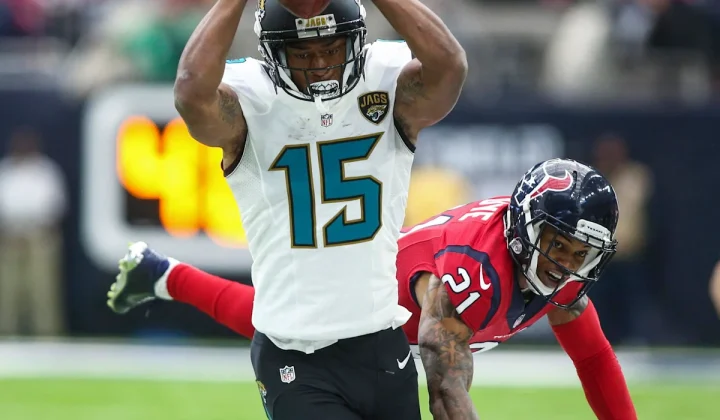
Former Jaguars Pro Bowl WR Allen Robinson II Announces Retirement at 33
Allen Robinson II, who posted one of the best single seasons in Jacksonville history in 2015, announced his retirement from the NFL…
Read story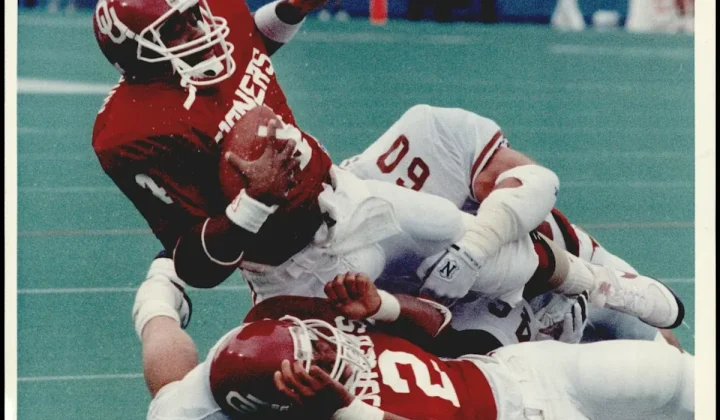
Oklahoma Legend Jamelle Holieway Released from Hospital, Recovering at Home After Health Scare
The 1985 national championship quarterback is home and on the road to recovery after a period of concern that brought together the…
Read story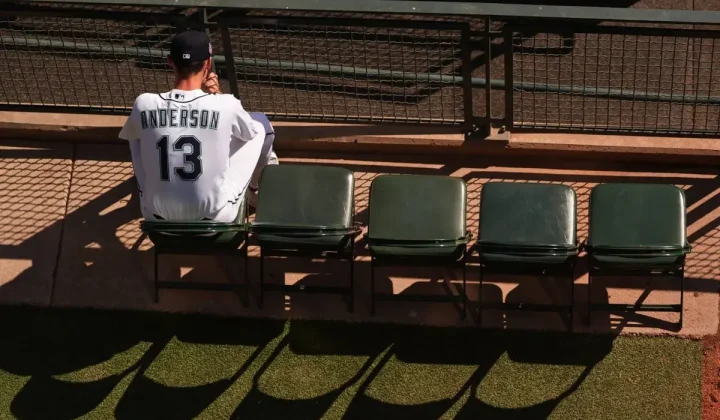
Kade Anderson Shines in MLB Debut as Mariners Rally Past Cubs on Randy Arozarena’s Walk-Off Homer
The No. 3 overall pick in the 2025 MLB Draft allowed one run through 5 2/3 innings before tiring, but Randy Arozarena’s…
Read storyRelated wiki

MLB Wild Card Rules Explained: Format, Tiebreakers & Postseason Impact
How the MLB wild card works in the current postseason format, including tiebreaker procedures, the 3-game series structure, and what it means…
Read storyPlayoff race
Reference page for playoff race language, qualification lines, tiebreakers and games-in-hand context.
Read story