The NBA’s Tightening Playoff Race: Analyzing Key Matchups and Emerging Trends
With the NBA regular season nearing its conclusion, several teams are locked in a fierce battle for playoff seeding. This analysis delves into the critical matchups, emerging trends, and potential impacts on the Eastern and Western Conference races.
The National Basketball Association’s regular season is entering its critical final stretch, and the playoff picture in both the Eastern and Western Conferences is far from settled. For teams vying for a top-six seed and an outright playoff berth, or those fighting to secure a spot in the play-in tournament, every game carries immense weight. This period is not just about accumulating wins; it’s about showcasing resilience, adapting to evolving team dynamics, and navigating a gauntlet of increasingly meaningful matchups. The narratives are as compelling as ever, with seasoned contenders looking to solidify their positions and dark horses emerging with unexpected surges.
This analysis will dissect the current state of the NBA playoff race, focusing on the most impactful upcoming games, the underlying trends driving team performance, and the potential ripple effects these may have on the final standings. We’ll examine how injuries, tactical adjustments, and schedule strengths are shaping destinies and offering insights into which teams are best positioned to make a deep postseason run. The goal is to provide a clear, evidence-led perspective for fans trying to decipher the unfolding drama.
Why This Matters Now
The intensity of the NBA playoff race in late March and early April is a unique spectacle. For players, it’s a test of endurance and mental fortitude. For coaches, it’s a high-stakes chess match, fine-tuning rotations and strategies to maximize their team’s chances. For fans, it’s a period of heightened anticipation, where every possession can feel like a playoff game. Understanding the nuances of this period is crucial for appreciating the league’s competitive landscape. It influences fan engagement, media narratives, and even future team-building decisions. The teams that navigate these final weeks successfully often carry that momentum into the playoffs, giving them a significant advantage.
What Sources Show
Examining official league schedules and standings provides a foundational understanding of the remaining games and the current divisional and conference layouts. For instance, looking at the NBA’s official schedule (https://www.nba.com/schedule) reveals a series of critical divisional games and cross-conference matchups that will directly impact seeding. Websites like ESPN’s NBA standings (https://www.espn.com/nba/standings) offer real-time data on win-loss records, streaks, and tie-breaker scenarios.
Beyond raw data, analysis from trusted sports media outlets like The Athletic (https://theathletic.com/nba/) often provides deeper context on team form, player performance trends, and the impact of injuries. For example, recent articles might highlight a team’s defensive struggles in the last ten games or a star player’s improved offensive efficiency, factors not immediately apparent in a simple standings table. Injury reports from official NBA team sites are also paramount, as the availability of key players can drastically alter a team’s trajectory. For example, a team like the Milwaukee Bucks might see their standing impacted significantly by the status of Giannis Antetokounmpo or Khris Middleton.
Competing Readings
While the standings paint a clear picture of who is ahead, the reasons for their success or struggles can be interpreted in multiple ways. Some analysts might point to a team’s strength of schedule, arguing that a team with an easier remaining path has an inherent advantage. Others might emphasize momentum, highlighting teams that are playing their best basketball in the crucial latter part of the season, regardless of their opponent’s quality.
Consider a team like the Denver Nuggets, who, despite a strong record, might face questions about their road performance or their ability to maintain their top seeding against elite competition. Conversely, a team like the Los Angeles Lakers, potentially battling for a play-in spot, might be seen as dangerous due to their championship pedigree and the individual brilliance of their star players, even if their overall season record is inconsistent. The narrative often shifts from “who is winning” to “who is built to win when it matters most.”
Here’s a look at some key matchups and trends:
| Team A | Team B | Date | Significance | Potential Impact |
|---|---|---|---|---|
| Boston Celtics | Milwaukee Bucks | March 30 | Potential ECF preview, battle for top seed East | Directly impacts #1 seed in the Eastern Conference |
| Denver Nuggets | Minnesota Timberwolves | April 2 | Pivotal Western Conference clash, seeding implications | Crucial for #1-#3 seed positioning in the West |
| LA Clippers | Phoenix Suns | April 4 | Battle of star power, playoff seeding implications | Shapes the middle of the Western Conference playoff picture |
| Oklahoma City Thunder | Dallas Mavericks | April 5 | Young contenders facing off, playoff positioning | Important for seeding in the tightly packed West |
What Could Change Next
The beauty of the NBA playoff race is its inherent volatility. A single extended injury to a star player, an unexpected losing streak, or a surprising winning surge by a trailing team can reshape the landscape overnight. For example, a team that looks comfortably in the top four might suddenly find itself battling for a home-court advantage in the first round if key players are sidelined. Conversely, a team that has been hovering around the play-in tournament could string together five or six wins and climb into the top six.
The trade deadline, though passed, always casts a long shadow. Teams that made significant moves might see their new-look rosters finally gelling, while those that stood pat might regret not making changes. The tactical evolution observed throughout the season also plays a role. Teams that have successfully integrated new offensive schemes or defensive adjustments are often better equipped for the playoff grind. The increasing reliance on analytics, particularly in late-game situations, also means that teams with a deeper understanding and application of these principles may have an edge.
What Remains Unclear
Despite the data and analysis, predicting the exact final standings and playoff matchups remains a complex endeavor. The psychological aspect of playing under immense pressure is difficult to quantify. How will teams that have underperformed all season react when the stakes are highest? Will the teams that have dominated the regular season maintain that level of play in the unforgiving environment of the playoffs?
Furthermore, the officiating can sometimes be a variable. While referees strive for consistency, certain calls or non-calls can swing momentum in crucial games. The true “playoff teams” are often those that can adapt to these unpredictable elements and consistently execute their game plan. The definitive answers to these questions will only emerge as the final games unfold and the postseason officially begins. The journey to the NBA Finals is rarely a straight line, and the closing weeks of the regular season are often the most dramatic part of that journey.
Related news

Pirates Eliminated From Playoff Contention Despite Offensive Surge in 2026
The Pittsburgh Pirates have been mathematically eliminated from the MLB postseason for the 11th consecutive year. Despite a vastly improved offense that…
Read story
Jamie Carragher’s High Praise Puts Daniel Munoz in Rare Premier League Company
The Nottingham Forest and Colombia defender received a remarkable endorsement from the Sky Sports pundit after his performance against Aston Villa, sparking…
Read story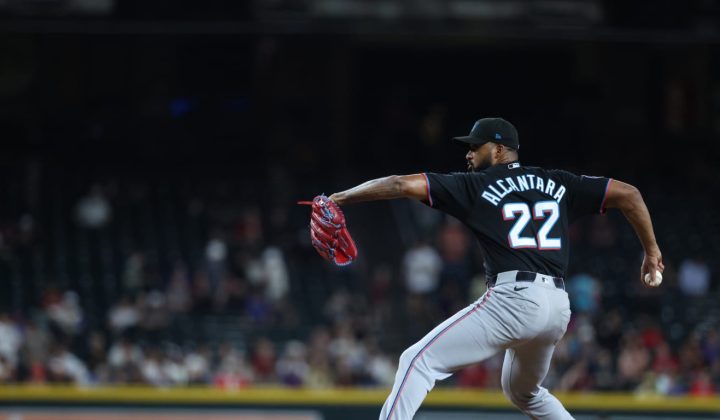
Sandy Alcantara Records First Career Save in Marlins Bullpen Appearance
Miami ace Sandy Alcantara earned his first career save Wednesday night, working a scoreless ninth inning in a 4-3 win over the…
Read story
Broncos Defense Faces Another Test as Jaguars Visit Denver in Week 2
After allowing 220 rushing yards and 31 points to Kansas City in Week 1, Denver’s defense now must contain Trevor Lawrence and…
Read storyRelated wiki

MLB Wild Card Rules Explained: Format, Tiebreakers & Postseason Impact
How the MLB wild card works in the current postseason format, including tiebreaker procedures, the 3-game series structure, and what it means…
Read storyPlayoff race
Reference page for playoff race language, qualification lines, tiebreakers and games-in-hand context.
Read story