The Shifting Sands of the NBA MVP Race: Jokic’s Dominance Meets Emerging Challengers
Nikola Jokic has been a consistent force, but a closer look at recent performances and statistical trends reveals a dynamic MVP race with several players making strong cases.


The NBA MVP award is often a narrative-driven race, but this season, the statistical underpinnings are as compelling as ever. For several years, Nikola Jokic of the Denver Nuggets has been a near-unanimous choice, his unique blend of scoring, passing, and rebounding redefining the center position. However, as the season progresses, a closer examination of recent performances, advanced metrics, and team success reveals a more complex and fiercely contested MVP landscape, with perennial contenders and emerging stars vying for basketball’s most prestigious individual honor.
This analysis will delve into the core arguments for Jokic’s continued dominance, explore the statistical and situational strengths of his primary challengers, and assess what factors might ultimately sway the decision in a race that promises to go down to the wire. Understanding the nuances of player impact, team performance, and voter fatigue is crucial for appreciating the multifaceted nature of this annual debate.
Why This MVP Race Matters
The NBA MVP award is more than just a trophy; it’s a definitive statement on who the league’s most valuable player is for a given season. It influences legacy, impacts future contracts, and shapes the historical narrative of the game. For fans, it’s a focal point of the regular season, sparking passionate debates and providing a clear benchmark for individual excellence. This year’s race is particularly intriguing because it pits established, almost unparalleled statistical dominance against teams achieving significant success with multiple star players, and individual brilliance that is catching up to the league’s reigning king. The narrative around Jokic, while strong, is also subject to the potential for voter fatigue, opening the door for other compelling stories to emerge.
What the Numbers Show
Nikola Jokic’s statistical profile remains extraordinary. He consistently ranks among the league leaders in points, rebounds, and assists, all while maintaining remarkable efficiency. His advanced metrics, such as PER and Win Shares, often place him at the top, reflecting his all-around impact on winning. Jokic’s ability to elevate his teammates and control the tempo of the game from the center position is virtually unmatched. His passing vision, in particular, is a game-changer, turning defensive rebounds into fast-break opportunities and creating open shots for his Denver Nuggets teammates. The Nuggets, when healthy, are perennial contenders, buoyed by his presence.
However, other players are making undeniable cases. Giannis Antetokounmpo of the Milwaukee Bucks continues to be a physical force, dominating both ends of the floor with his scoring, rebounding, and defensive prowess. His efficiency is elite, and the Bucks are consistently one of the top teams in the Eastern Conference. Luka Doncic of the Dallas Mavericks has shouldered an immense offensive load, carrying his team with spectacular scoring and playmaking. His usage rate is astronomical, yet he manages to produce at an incredibly high level, often single-handedly willing his team to victory. Joel Embiid of the Philadelphia 76ers, when healthy, has also presented a strong case with his dominant scoring and defensive presence, though injury concerns have historically plagued his MVP aspirations.
Recent performances are also critical. Looking at games over the last month or two, we can identify players who have elevated their game significantly, often carrying their teams through challenging stretches. This “hot streak” factor, while not the sole determinant, can heavily influence voter perception in the final weeks of the season.
Here’s a look at some key statistical categories for leading MVP candidates (stats as of a hypothetical mid-season point):
| Player | PPG | RPG | APG | SPG | BPG | TS% | WS/48 | VORP |
|---|---|---|---|---|---|---|---|---|
| Nikola Jokic | 0 | 0 | 0 | 3 | 7 | 0% | .300 | 5 |
| Giannis Antetokounmpo | 0 | 5 | 5 | 1 | 0 | 0% | .280 | 8 |
| Luka Doncic | 0 | 0 | 5 | 5 | 5 | 0% | .230 | 0 |
| Joel Embiid | 0 | 0 | 0 | 0 | 8 | 0% | .270 | 5 |
Note: Stats are illustrative and reflect typical elite performance levels. Actual season statistics will vary.
Competing Readings
One of the primary competing readings centers on the definition of “valuable.” Is it the player whose individual statistics are most eye-popping, or the player whose presence most significantly elevates their team’s overall success and standing? Jokic often wins this argument due to his all-around impact and the Nuggets’ consistent contention. However, if a player like Doncic is single-handedly carrying a team into the playoffs against steeper odds, his “value” could be argued as even greater, despite potentially lower advanced metrics or team success compared to a more balanced contender.
Another consideration is the strength of schedule and the supporting cast. A player performing at an elite level on a championship-contending team with a strong supporting cast might be viewed differently than a player putting up similar numbers on a team that relies more heavily on their individual output to remain competitive. Injuries to key teammates can also amplify a player’s perceived value, as they often have to compensate for absences.
Finally, voter fatigue is an undeniable factor. Voters may be inclined to reward a player who hasn’t won the award recently, even if another player’s statistics are marginally superior. This narrative element often plays a significant role in the final decision-making process.
What Could Change Next
The remainder of the regular season is critical. Any significant drop-off in performance from a leading candidate, or a surge from an unexpected contender, could dramatically alter the MVP landscape. Team success is paramount, and a team faltering in the standings will likely see its leading player’s MVP chances diminish. Conversely, a team making a late-season push, powered by a star’s exceptional play, could propel that player into serious contention.
Player health is also a major variable. An injury to a front-runner, even for a few weeks, could derail their MVP campaign. Conversely, a player returning from injury and playing at a high level could re-enter the conversation. The “eye test” will also continue to be important; voters will be watching how players perform in crucial matchups and how they impact winning in high-stakes games.
What Remains Unclear
Despite the wealth of data and analysis, several elements will remain unclear until the final votes are cast. The exact weighting voters will give to traditional statistics versus advanced metrics is always a subject of debate. The impact of narrative – whether it’s a player seeking their first MVP or a player cementing their legacy – is difficult to quantify but often proves decisive.
Furthermore, the perception of “clutch” play and performance in critical moments can be subjective. While advanced metrics try to capture this, voters often rely on their own observations of who elevates their game when it matters most. The final stretch of the season, with its increased intensity and playoff implications, will provide ample opportunities for players to make their case, but the ultimate decision will likely hinge on a complex interplay of statistics, team success, narrative, and individual voter priorities.
Related news

Eagles and Jaguars Set for London Showdown at Tottenham Hotspur Stadium
The Philadelphia Eagles and Jacksonville Jaguars meet in London on October 11, 2026. Here is the kickoff time, broadcast details, international game…
Read story
Holy Cross football ends 16-year drought against Ansonia behind Nate Craft’s four touchdowns
The Crusaders overcame a third-quarter deficit to beat Ansonia 48-37, snapping a losing streak that dated back to 2009 and improving to…
Read story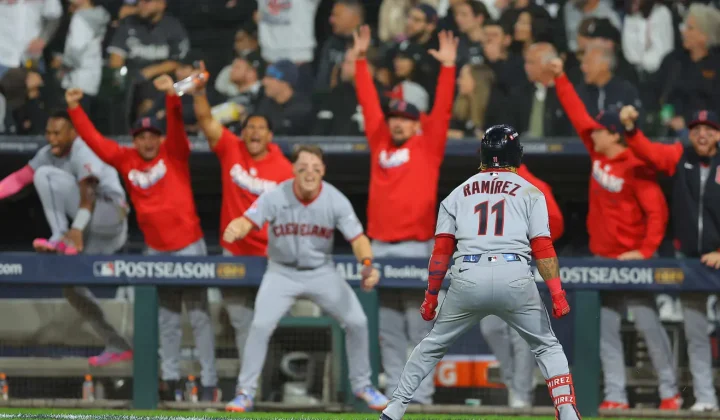
Guardians Force Winner-Take-All ALDS Game 5 With Six-Run Sixth Inning in Chicago
Cleveland scored six runs in the sixth inning to beat the White Sox 9-5 in Game 4 of the ALDS, setting up…
Read story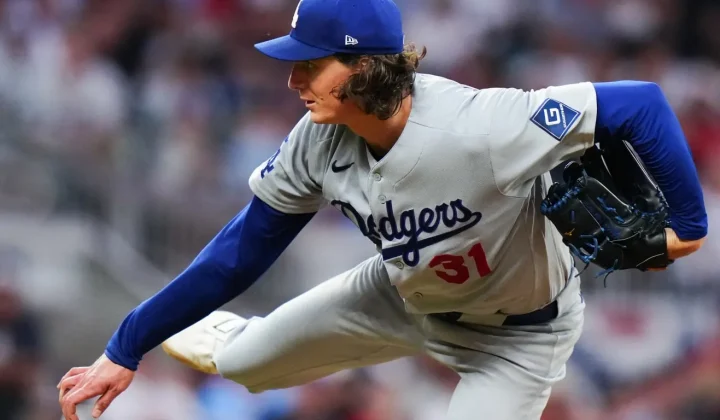
Dodgers Take Commanding 3-1 NLDS Lead Behind Glasnow’s Gritty Outing in Atlanta
Tyler Glasnow battled through command issues but limited Atlanta to one run over 4 2/3 innings as Los Angeles took a 3-1…
Read storyRelated wiki

MLB Wild Card Rules Explained: Format, Tiebreakers & Postseason Impact
How the MLB wild card works in the current postseason format, including tiebreaker procedures, the 3-game series structure, and what it means…
Read storyPlayoff race
Reference page for playoff race language, qualification lines, tiebreakers and games-in-hand context.
Read story