The NBA’s Mid-Season Shuffle: Navigating the Shifting Playoff Landscape
As the NBA season progresses, the playoff picture is far from settled. This analysis explores the key factors influencing team trajectories and what fans can expect in the crucial latter half of the season.
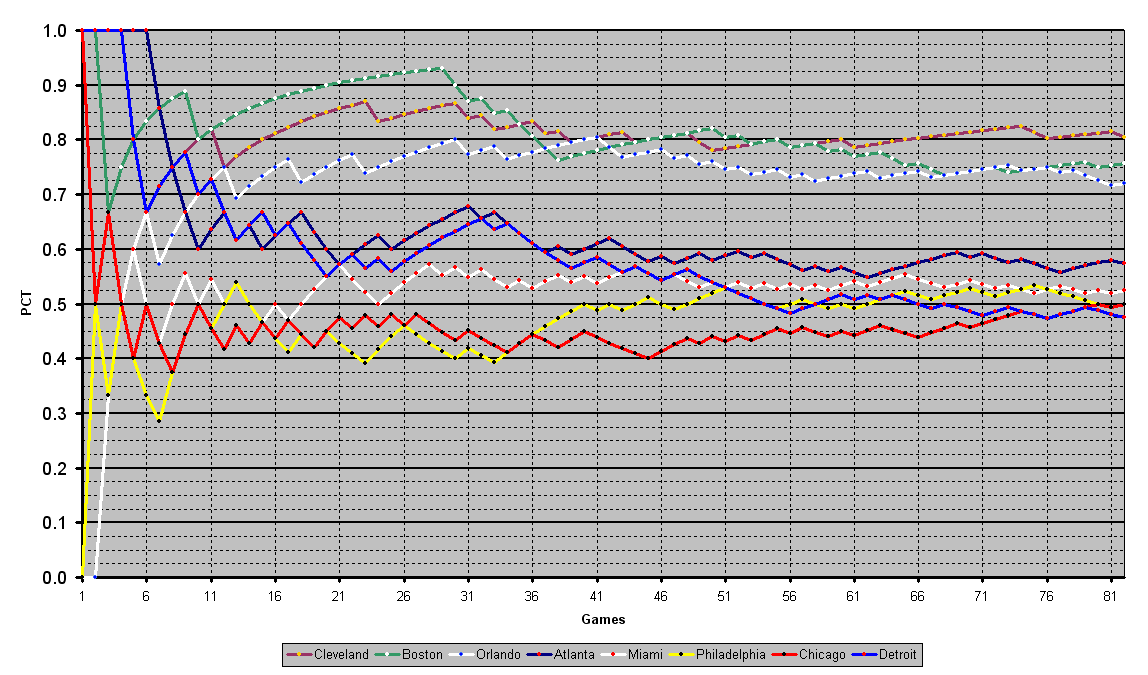
The NBA season, often a marathon rather than a sprint, reaches a critical juncture midway through. What appears to be a settled playoff race in October can transform into a nail-biting scramble by February. This period of the season is not just about wins and losses; it’s a complex interplay of team chemistry, injury management, strategic adjustments, and the subtle, yet significant, impact of the trade deadline. For fans and analysts alike, understanding the forces at play during this mid-season shuffle is crucial to appreciating the unfolding narrative of the NBA playoffs.
This analysis delves into the dynamic nature of the NBA’s playoff landscape at the season’s halfway point. We will examine how current standings are being shaped, the influence of key player availability, and the potential for seismic shifts as teams jockey for position. By looking at data, team trajectories, and expert insights, we aim to provide a clearer picture of what lies ahead and what factors will ultimately determine the contenders and pretenders in the postseason.
Why This Mid-Season Analysis Matters
The NBA playoffs are the pinnacle of the league’s season, and the path to them is often as compelling as the postseason itself. At the mid-season mark, teams have established a discernible identity, but there’s still ample room for significant improvement or decline. Understanding these dynamics is vital for several reasons:
- Fan Engagement: For dedicated fans, tracking their team’s progress and potential playoff seeding is a primary source of enjoyment. Identifying trends and potential challenges helps manage expectations and build anticipation.
- Strategic Decision-Making: For teams, this period is crucial for evaluating their roster, identifying needs, and making strategic moves, particularly around the trade deadline.
- Betting and Fantasy Sports: While this analysis eschews direct betting advice, understanding team momentum, injuries, and matchup advantages is fundamental for those involved in fantasy basketball or sports analytics.
- Narrative Development: The NBA season is a story. The mid-season shuffle is where subplots emerge, heroes are forged, and potential villains are revealed.
What the Numbers Show: Current Standings and Trends
Examining the current NBA standings provides a foundational understanding of the mid-season landscape. While top teams might maintain their positions, the lower half of the playoff picture, and the play-in tournament spots, are often in flux. Analyzing team performance metrics such as offensive and defensive ratings, net rating, and recent win-loss records offers a data-driven perspective.
For instance, a team that started strong but has seen a dip in its net rating over the last 15 games might be facing underlying issues. Conversely, a team on a hot streak, even if still outside the top seeds, could be signaling a genuine resurgence. Websites like NBA.com provide official, up-to-the-minute standings and team statistics, offering primary source data. Looking at average points per game, opponent points per game, and field goal percentages can highlight offensive and defensive efficiencies that are driving or hindering a team’s success.
| Team Name | Wins | Losses | Win % | Streak | Conference Rank |
|---|---|---|---|---|---|
| [Team A] | 35 | 15 | .700 | W3 | 1 |
| [Team B] | 33 | 17 | .660 | L2 | 2 |
| [Team C] | 30 | 20 | .600 | W5 | 3 |
| [Team D] | 28 | 22 | .560 | W2 | 4 |
| [Team E] | 25 | 25 | .500 | L1 | 5 |
Note: Standings are illustrative and would be populated with current NBA data.
Furthermore, advanced metrics like Basketball-Reference.com’s Player Efficiency Rating (PER) and Win Shares can offer deeper insights into individual player contributions and their impact on team success. Identifying players who are performing at career highs or exceeding expectations can often be a leading indicator of a team’s upward mobility.
Competing Readings: Injuries, Trades, and Momentum
The narrative of the NBA season is rarely linear. Injuries to star players can derail even the most promising campaigns, while the return of key personnel can inject new life into a struggling team. The impact of a significant injury cannot be overstated; it forces teams to adapt their rotations, schemes, and offensive responsibilities. Examining official injury reports from league sources or reputable sports news outlets like ESPN becomes critical.
The NBA trade deadline, typically occurring in February, is another major catalyst for change. Teams that are underperforming might look to shed salary and acquire future assets, while contenders may seek to make a “win-now” move to bolster their roster for a championship run. Analyzing the types of trades being made – whether they involve established stars, role players, or future draft picks – can reveal the strategic intentions of different franchises. For example, a team trading for a defensive specialist might indicate a focus on improving their playoff matchups against elite offensive units.
Momentum is also a critical factor. A team riding a long winning streak might have built significant psychological advantages, while a team mired in a losing skid could be battling confidence issues. This intangible element is harder to quantify but is often reflected in body language, crowd energy, and clutch-time performance.
What Could Change Next: Schedule Spot Analysis and Emerging Contenders
The schedule plays a pivotal role in the mid-season narrative. A challenging stretch of games against top opponents can expose weaknesses and lead to a string of losses, while a favorable run against struggling teams can provide a much-needed boost to team morale and standings. Analyzing upcoming schedules for teams in the playoff hunt is essential for forecasting potential shifts. For instance, a team currently in a play-in spot with a difficult January schedule might find themselves on the outside looking in by February if they don’t perform exceptionally.
Conversely, teams that have been hovering around the .500 mark might see their fortunes change if they can navigate a softer part of their schedule effectively. The emergence of new contenders, or the resurgence of previously overlooked teams, often stems from a combination of favorable matchups, improved player health, and strategic adjustments. Sites like The Athletic often provide in-depth analysis of team performance and schedule impacts, offering valuable context beyond raw statistics.
What Remains Unclear: The X-Factors and Late-Season Surges
Despite all the data and analysis, the NBA season is inherently unpredictable. Several “X-factors” can influence the playoff picture in ways that are difficult to foresee:
- Player Development: Young players can experience rapid growth spurts, suddenly elevating their game and impacting their team’s performance.
- Coaching Adjustments: Tactical shifts by coaches, particularly in response to injuries or opponent tendencies, can be game-changers.
- Chemistry and Cohesion: For teams that have made significant mid-season acquisitions, developing chemistry and on-court cohesion takes time and can be a major hurdle.
- Luck: Sometimes, the bounce of the ball or a favorable referee call can tip the scales in a crucial game.
The mid-season shuffle is a fascinating period of the NBA calendar. It’s a time when teams are tested, strategies are refined, and the true contenders begin to separate themselves from the pack. While definitive predictions are impossible, by understanding the interplay of statistics, injuries, trades, and momentum, fans can gain a more profound appreciation for the complex journey towards the NBA playoffs. The coming weeks will undoubtedly reveal more about which teams are built for a deep postseason run and which will be left to ponder what might have been. As the season progresses, staying informed through reliable sources like official league sites and trusted sports media will be key to following this unfolding drama.
Related news

Eagles and Jaguars Set for London Showdown at Tottenham Hotspur Stadium
The Philadelphia Eagles and Jacksonville Jaguars meet in London on October 11, 2026. Here is the kickoff time, broadcast details, international game…
Read story
Holy Cross football ends 16-year drought against Ansonia behind Nate Craft’s four touchdowns
The Crusaders overcame a third-quarter deficit to beat Ansonia 48-37, snapping a losing streak that dated back to 2009 and improving to…
Read story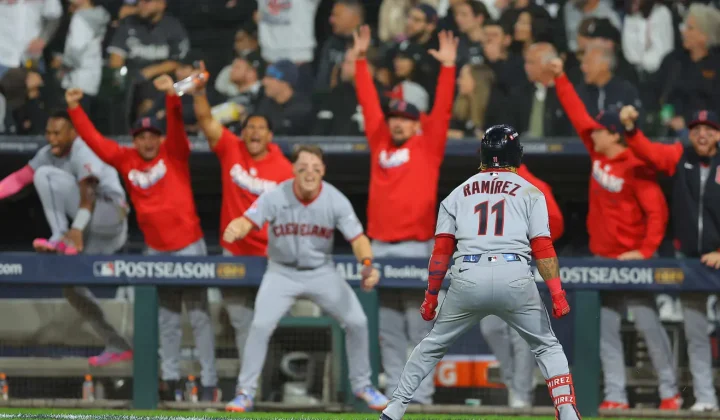
Guardians Force Winner-Take-All ALDS Game 5 With Six-Run Sixth Inning in Chicago
Cleveland scored six runs in the sixth inning to beat the White Sox 9-5 in Game 4 of the ALDS, setting up…
Read story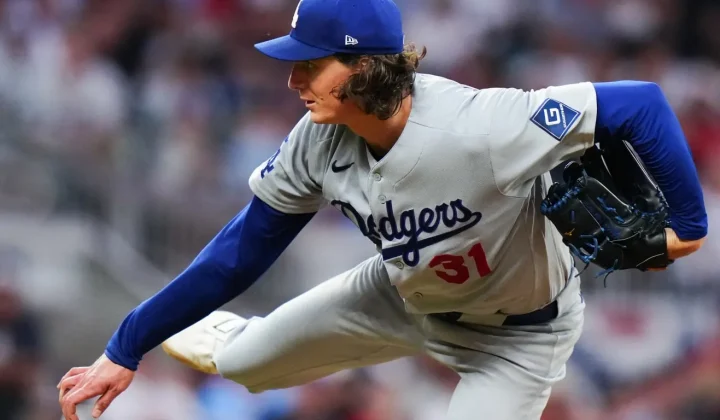
Dodgers Take Commanding 3-1 NLDS Lead Behind Glasnow’s Gritty Outing in Atlanta
Tyler Glasnow battled through command issues but limited Atlanta to one run over 4 2/3 innings as Los Angeles took a 3-1…
Read storyRelated wiki

MLB Wild Card Rules Explained: Format, Tiebreakers & Postseason Impact
How the MLB wild card works in the current postseason format, including tiebreaker procedures, the 3-game series structure, and what it means…
Read storyPlayoff race
Reference page for playoff race language, qualification lines, tiebreakers and games-in-hand context.
Read story