The NBA’s Emerging Guard Factories: How Two Teams Are Redefining Player Development
Beyond star power, the NBA is witnessing a shift in team-building strategy, with the Oklahoma City Thunder and the Sacramento Kings quietly becoming hubs for developing elite point guards and shooting guards. This analysis explores their innovative approaches and the impact on the league.


The National Basketball Association has long been a league defined by its transcendent stars and high-octane offense. Yet, beneath the surface of blockbuster trades and MVP races, a more nuanced narrative is unfolding: the rise of specialized “guard factories.” While dynasties are often built through draft prowess and free-agent acquisitions, a select few franchises are demonstrating that sustainable success can also be forged through meticulous, data-driven player development, particularly at the guard position. Among these, the Oklahoma City Thunder and the Sacramento Kings have emerged as compelling case studies, quietly cultivating a pipeline of talented point guards and shooting guards who are making significant impacts across the league.
This evolution in team-building strategy isn’t about luck; it’s a testament to a deeper understanding of modern basketball analytics, coaching innovation, and a commitment to nurturing raw talent into polished professionals. The success of players like Shai Gilgeous-Alexander and Josh Giddey for the Thunder, and De’Aaron Fox and Davion Mitchell for the Kings, points to a deliberate and effective methodology that other franchises would be wise to examine.
Why Guard Development Matters More Than Ever
The modern NBA offense is increasingly dictated by guard play. The ability to initiate offense, create for others, space the floor with shooting, and defend opposing perimeter threats are paramount. Teams that can consistently produce high-level guards from within their own system gain a significant competitive advantage. This is not only cost-effective but also fosters a stronger team identity and culture. The emphasis on pick-and-roll efficiency, off-ball movement, and defensive versatility means that a well-developed guard can be the linchpin of a successful strategy. The traditional model of relying solely on drafting a ready-made star is becoming less viable as teams recognize the value of cultivating talent tailored to their specific system and needs.
What the Data and Sources Show
The Oklahoma City Thunder, under the guidance of General Manager Sam Presti, have built a reputation for patient, long-term asset accumulation and development. Their approach with guards has been particularly noteworthy. Shai Gilgeous-Alexander, acquired in the Paul George trade, has blossomed into an MVP candidate, showcasing elite scoring, playmaking, and defensive ability. His development trajectory, from a promising young guard to a bona fide superstar, is a prime example of the Thunder’s player-centric philosophy.
Beyond SGA, the Thunder have also invested heavily in developing Josh Giddey, a unique playmaker with exceptional court vision and passing skills. While Giddey’s shooting has been a point of discussion, his ability to facilitate and impact the game in multiple ways highlights the Thunder’s willingness to embrace different skill sets. The organization’s commitment to providing developmental opportunities, even for players outside the traditional mold, is a key differentiator.
The Sacramento Kings, under GM Monte McNair and Head Coach Mike Brown, have also prioritized guard development, with a particular focus on speed, athleticism, and defensive intensity. De’Aaron Fox has emerged as one of the league’s premier point guards, a blur in transition with a rapidly improving jump shot. His growth into an All-Star caliber player has been a cornerstone of the Kings’ recent resurgence.
Complementing Fox, the Kings drafted Davion Mitchell, known for his tenacious on-ball defense and quickness. While his offensive game is still evolving, Mitchell’s defensive impact and ability to push the pace have made him a valuable contributor. The Kings’ decision to pair Fox with Mitchell, a defensive specialist, illustrates a strategic approach to building a dynamic backcourt that emphasizes both offensive firepower and defensive disruption.
Sources like ESPN’s draft analysis and team-specific reports from The Athletic have consistently highlighted the Thunder’s and Kings’ developmental philosophies. The Thunder’s approach often involves meticulous skill development, analytics-driven scouting, and a supportive coaching staff that allows players to grow through mistakes. The Kings, on the other hand, have focused on leveraging athleticism and instilling a defensive identity, with Brown’s defensive acumen playing a crucial role.
Competing Readings and Interpretations
While the success of the Thunder and Kings is evident, there are different ways to interpret the underlying factors. One reading suggests that good drafting and player evaluation are the primary drivers. Both teams have made astute picks and trades that have landed them versatile guards with high potential. The Thunder, for instance, have consistently drafted well, even when not picking at the top of the lottery. The Kings have shown an ability to identify talent that fits their system, particularly with Fox.
Another interpretation emphasizes the role of coaching and player development infrastructure. Mike Brown’s track record as a defensive mastermind is undeniable, and his ability to unlock De’Aaron Fox’s potential is a testament to his coaching prowess. Similarly, the Thunder’s player development staff, under the continued leadership of Sam Presti, has a proven history of nurturing raw talent. Their patience and commitment to a long-term vision allow players the time and space to develop without immediate pressure for results.
A third perspective highlights the impact of modern sports analytics. Both organizations are known to heavily utilize advanced metrics to identify talent, optimize player performance, and tailor training regimens. This data-driven approach likely informs their scouting, player development, and even in-game strategies, allowing them to maximize the strengths of their guards and mitigate their weaknesses.
What Could Change Next
The sustained success of these guard factories could influence how other NBA franchises approach team building. We might see a greater emphasis on developing guards with unique skill sets, rather than adhering to traditional archetypes. Teams could invest more resources into specialized coaching for perimeter players, focusing on areas like pick-and-roll efficiency, defensive footwork, and shooting mechanics.
Furthermore, the success of the Thunder and Kings could lead to a shift in trade and free agency strategies. Instead of solely targeting established stars, teams might look to acquire younger, developing guards from these “factories” who have demonstrated a capacity for growth within a structured system. This could create a more dynamic trade market and alter the landscape of player movement in the league.
The increasing prevalence of versatile, two-way guards will likely continue to shape the NBA. Teams that can effectively develop these players will be better positioned to compete in an offense-driven league where perimeter play is king. The Thunder and Kings are currently leading this charge, but other franchises are undoubtedly taking notice and may soon adapt their own developmental models.
What Remains Unclear
Despite the clear successes, several aspects of these guard development models remain somewhat opaque. The precise methodologies used by the Thunder and Kings in their day-to-day player development are not fully public. While we can infer much from their player trajectories and team philosophies, the granular details of their training programs, analytical tools, and individual player coaching remain proprietary.
The long-term sustainability of these approaches is also a question mark. Player development is a cyclical process, and while the Thunder and Kings have found success, maintaining that level of consistent output year after year is a significant challenge. Player injuries, unexpected declines in performance, or shifts in league trends could all impact their ability to continue producing elite guards.
Finally, the extent to which these models are transferable to other organizations is debatable. Factors such as a team’s existing culture, coaching staff, financial resources, and even the specific talent pool available in each draft class can influence the effectiveness of any development strategy. What works for the Thunder and Kings might not yield the same results elsewhere.
Key Guard Development Metrics
| Team | Key Guard(s) | Primary Strength(s) | Developmental Focus |
|---|---|---|---|
| OKC Thunder | Shai Gilgeous-Alexander | Scoring, Playmaking, Defense, Efficiency | Overall offensive and defensive refinement, leadership |
| OKC Thunder | Josh Giddey | Playmaking, Vision, Rebounding, Unconventional Offense | Shooting consistency, defensive positioning |
| SAC Kings | De’Aaron Fox | Speed, Transition Offense, Driving, Improving Jumper | Shot creation, defensive consistency, late-game execution |
| SAC Kings | Davion Mitchell | On-ball Defense, Quickness, Transition Push | Offensive efficiency, shot creation |
The NBA is a league in constant flux, and the strategies that lead to success today may evolve tomorrow. However, the work being done by the Oklahoma City Thunder and the Sacramento Kings in cultivating elite guards offers a compelling blueprint for future team building. Their sustained focus on development, combined with smart evaluation and coaching, underscores the enduring importance of nurturing talent from within. As other teams look to replicate their success, the landscape of NBA player development is poised for further innovation.
Related news
Eagles and Jaguars Set for London Showdown at Tottenham Hotspur Stadium
The Philadelphia Eagles and Jacksonville Jaguars meet in London on October 11, 2026. Here is the kickoff time, broadcast details, international game…
Read story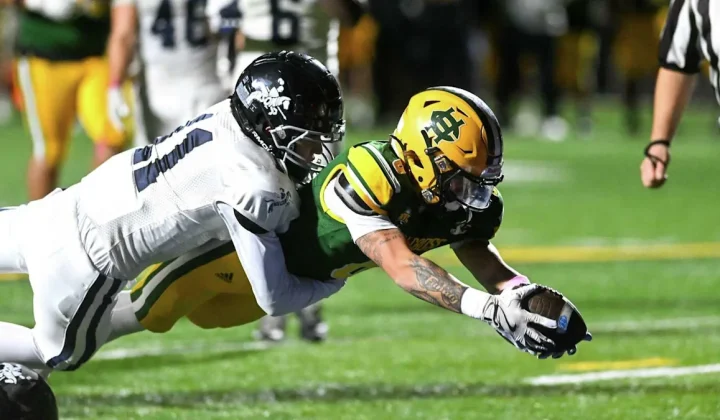
Holy Cross football ends 16-year drought against Ansonia behind Nate Craft’s four touchdowns
The Crusaders overcame a third-quarter deficit to beat Ansonia 48-37, snapping a losing streak that dated back to 2009 and improving to…
Read story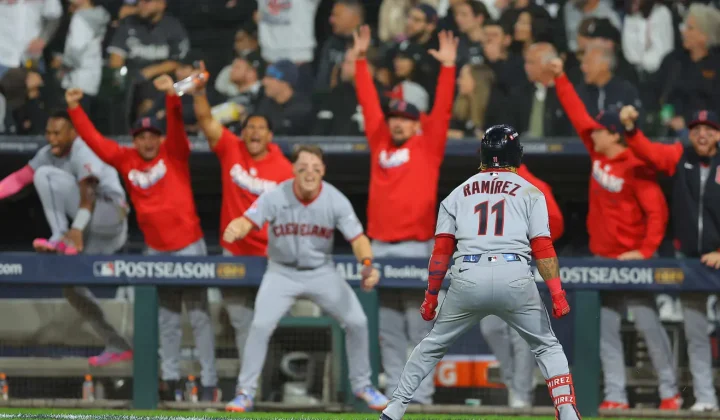
Guardians Force Winner-Take-All ALDS Game 5 With Six-Run Sixth Inning in Chicago
Cleveland scored six runs in the sixth inning to beat the White Sox 9-5 in Game 4 of the ALDS, setting up…
Read story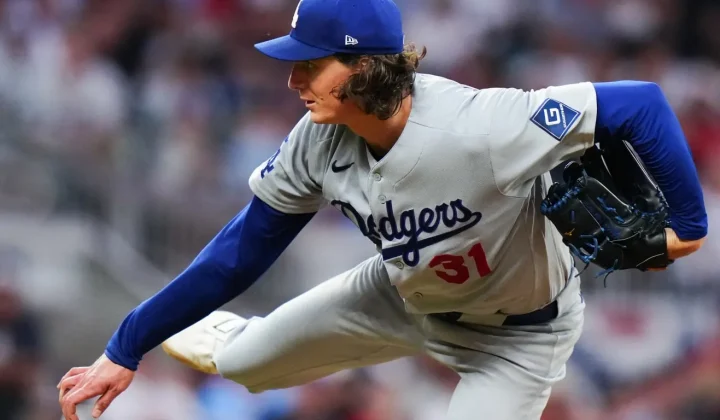
Dodgers Take Commanding 3-1 NLDS Lead Behind Glasnow’s Gritty Outing in Atlanta
Tyler Glasnow battled through command issues but limited Atlanta to one run over 4 2/3 innings as Los Angeles took a 3-1…
Read storyRelated wiki

MLB Wild Card Rules Explained: Format, Tiebreakers & Postseason Impact
How the MLB wild card works in the current postseason format, including tiebreaker procedures, the 3-game series structure, and what it means…
Read storyPlayoff race
Reference page for playoff race language, qualification lines, tiebreakers and games-in-hand context.
Read story