The NBA’s Shifting Tides: How the Play-In Tournament Reshaped the Playoff Race
The NBA's Play-In Tournament has fundamentally altered the dynamics of the late-season playoff push, creating new pressures and opportunities for teams on the bubble.
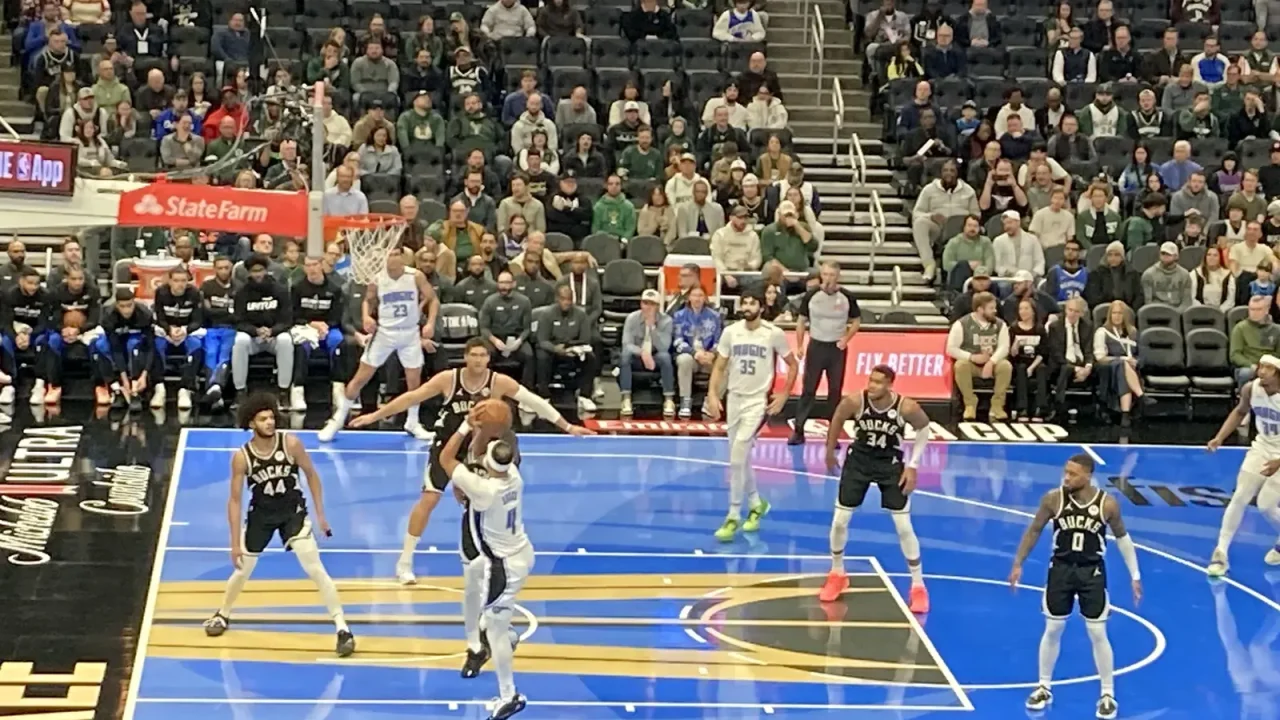
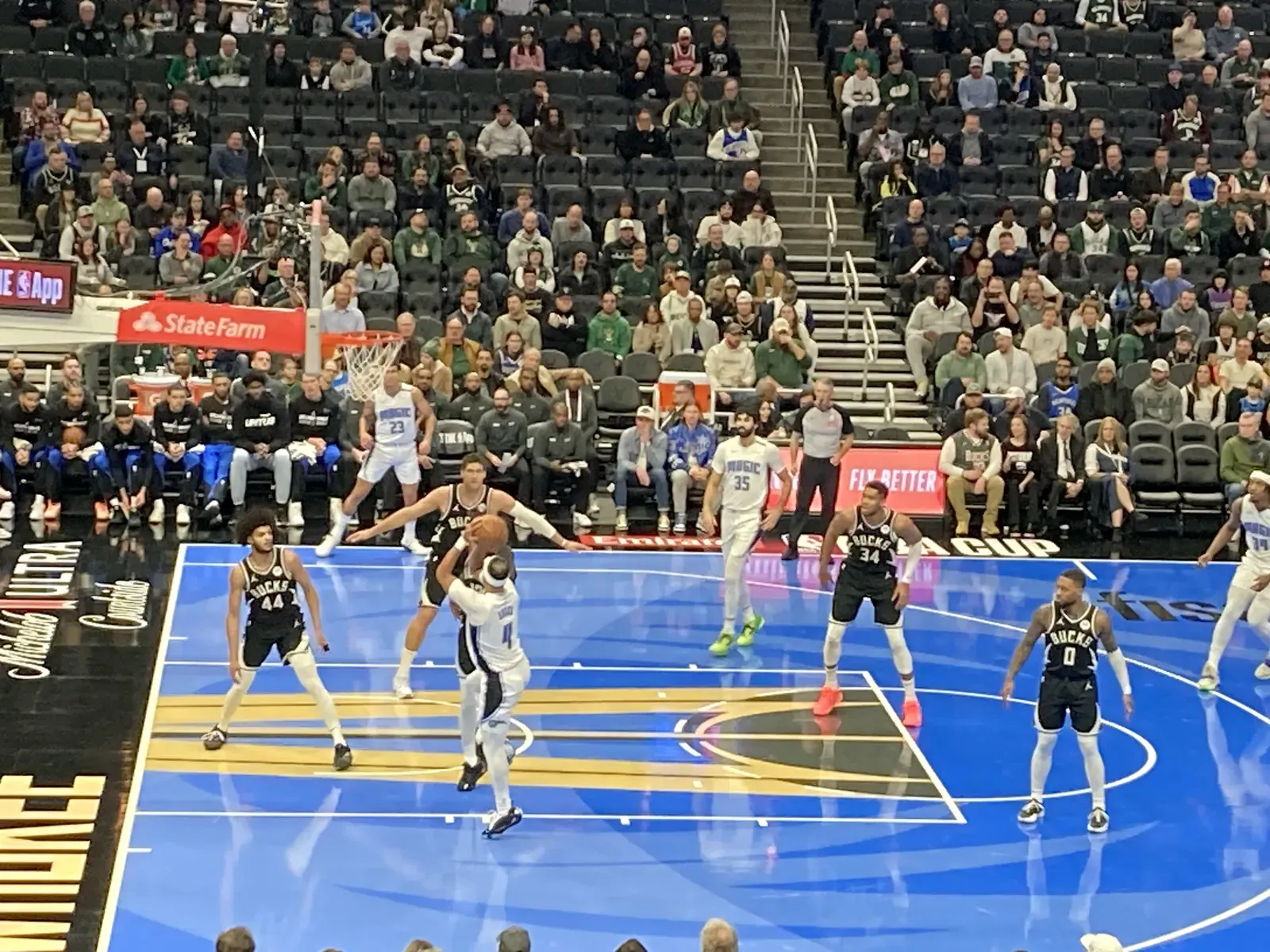
The NBA’s decision to implement the Play-In Tournament has undeniably injected a new level of intrigue and intensity into the closing weeks of the regular season. What was once a relatively predictable march towards the postseason for many teams has transformed into a high-stakes proving ground, where seeds are fiercely contested and the pressure to perform is amplified. This shift has not only made the end of the regular season more compelling for fans but has also forced teams to re-evaluate their strategies, particularly those hovering around the playoff cutline.
The core of the Play-In Tournament’s impact lies in its ability to democratize the final playoff spots. Previously, a team comfortably in sixth place might have coasted into the playoffs, while the seventh and eighth seeds were often decided weeks in advance. Now, the play-in games create a direct, win-or-go-home scenario for teams that finish between seventh and tenth place in each conference. This has elevated the importance of every regular-season game, especially for those teams battling for positioning within the top ten. The psychological advantage of securing a guaranteed playoff spot, rather than facing the uncertainty of the play-in, becomes a significant motivator.
Why It Matters to Teams and Fans
For teams, the Play-In Tournament introduces a new layer of strategic planning. Coaches must now consider not just securing a playoff berth but also avoiding the play-in altogether. A team that might have been content to rest key players in meaningless late-season games now has a compelling reason to push for a higher seed, aiming to land in the top six and bypass the extra games. This can lead to more consistent effort throughout the 82-game schedule, potentially reducing the risk of late-season slumps.
Fans, on the other hand, benefit from increased competitiveness and drama. The uncertainty surrounding the final playoff picture keeps more fan bases engaged for longer. Teams that might have been considered “out of it” in previous years now have a tangible path to the postseason, fostering a renewed sense of hope and excitement. The intensity of these single-elimination play-in games also provides a playoff-like atmosphere before the traditional postseason even begins, offering a preview of the high-pressure basketball to come. The NBA’s official site provides the rules and context for these crucial games.
What the Data Shows
The introduction of the Play-In Tournament has demonstrably compressed the standings in the lower half of playoff hopefuls. In seasons prior to the tournament’s inception, the gap between the seventh and tenth seeds could often be several games. However, the play-in structure incentivizes teams to fight for every win to secure a spot in the top six, thus avoiding the tournament. This has led to tighter races for the final guaranteed playoff berths.
Consider the shift in win percentages for teams finishing in the 7-10 range. While exact comparative data is still being gathered over multiple seasons, anecdotal evidence and advanced analytics suggest an increased correlation between late-season performance and playoff qualification for these teams. The threat of the play-in, and conversely, the opportunity it presents, encourages a more aggressive approach to the final stretch of the regular season. Websites like ESPN and Basketball-Reference.com offer detailed historical standings and advanced statistics that highlight these trends.
| Seed Range | Pre-Play-In Dynamics | Post-Play-In Dynamics |
|---|---|---|
| 1-6 | Guaranteed Playoff Spot; focus on seeding and rest. | Increased pressure to secure top 6 to avoid play-in; potential for more aggressive play throughout the season. |
| 7-10 | Playoff spot often secured or out of reach; focus may shift to draft positioning. | Direct path to playoffs via play-in games; intense competition for these spots. |
| 11-15 | Out of playoff contention; focus on player development and draft positioning. | Still out of playoff contention, but some teams may see late-season wins as momentum builders for the following season. |
Competing Readings on its Success
While the Play-In Tournament has been widely praised for its entertainment value, there are differing perspectives on its long-term implications. Some argue that it devalues the regular season by creating a “playoff” scenario that isn’t a true best-of-seven series. The argument is that a team that finishes 7th or 8th in the regular season shouldn’t have to win extra games to officially “qualify” for the playoffs, especially when they earned that position through consistent performance over 82 games.
Conversely, proponents highlight the increased engagement and the opportunity it provides for teams that might have otherwise had uneventful finishes to their seasons. The NBA’s own statements and the positive reception from many media outlets underscore the league’s satisfaction with the added drama. The tournament ensures that more teams remain in the hunt for longer, preventing the “tanking” narrative from completely dominating the end of the season for a larger segment of teams. Trusted sports news outlets like The Athletic often feature analyses that explore these various viewpoints.
What Could Change Next
The continued evolution of the Play-In Tournament will likely depend on its sustained success in generating fan interest and competitive balance. The league may consider minor adjustments to the format, such as the specific seeding criteria for the play-in games or the tie-breaking procedures. The impact on player fatigue is also a point of ongoing discussion. If teams consistently express concerns about the added physical toll, the NBA might explore ways to mitigate this, perhaps by slightly altering the schedule leading up to or following the tournament.
Furthermore, the long-term effect on player movement and team building could be significant. Teams might become more hesitant to build rosters that are borderline playoff contenders, preferring to either commit to a full rebuild or aggressively pursue championship contention. The Play-In Tournament adds a layer of “make or miss” pressure that could influence free agency and trade decisions in the coming years.
What Remains Unclear
Despite the success, several questions linger. The true long-term impact on player health and the potential for increased injuries due to the compressed, high-stakes nature of the play-in games needs more comprehensive study. While the NBA prioritizes player safety, the added games are an undeniable factor.
Additionally, the extent to which the Play-In Tournament influences the perception of a team’s “success” for a given season is still being defined. Does a team that makes the playoffs via the play-in achieve the same level of success as a team that secures a top-six seed? These are subjective questions that will likely be debated by fans and analysts for seasons to come. The league will continue to monitor fan engagement, viewership numbers, and competitive balance to determine the tournament’s ultimate place in the NBA landscape.
Related news
Eagles and Jaguars Set for London Showdown at Tottenham Hotspur Stadium
The Philadelphia Eagles and Jacksonville Jaguars meet in London on October 11, 2026. Here is the kickoff time, broadcast details, international game…
Read story
Holy Cross football ends 16-year drought against Ansonia behind Nate Craft’s four touchdowns
The Crusaders overcame a third-quarter deficit to beat Ansonia 48-37, snapping a losing streak that dated back to 2009 and improving to…
Read story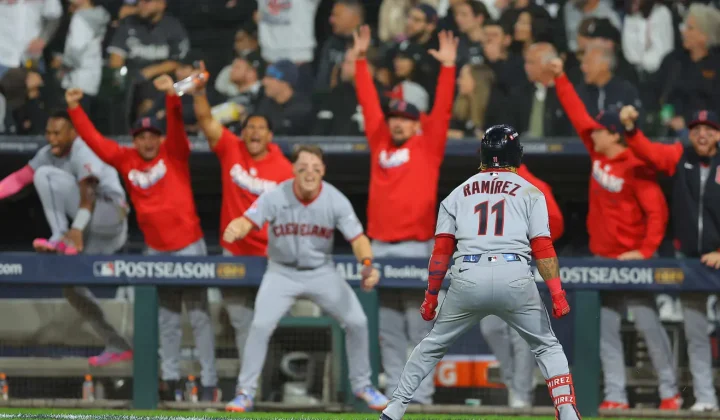
Guardians Force Winner-Take-All ALDS Game 5 With Six-Run Sixth Inning in Chicago
Cleveland scored six runs in the sixth inning to beat the White Sox 9-5 in Game 4 of the ALDS, setting up…
Read story
Dodgers Take Commanding 3-1 NLDS Lead Behind Glasnow’s Gritty Outing in Atlanta
Tyler Glasnow battled through command issues but limited Atlanta to one run over 4 2/3 innings as Los Angeles took a 3-1…
Read storyRelated wiki

MLB Wild Card Rules Explained: Format, Tiebreakers & Postseason Impact
How the MLB wild card works in the current postseason format, including tiebreaker procedures, the 3-game series structure, and what it means…
Read storyPlayoff race
Reference page for playoff race language, qualification lines, tiebreakers and games-in-hand context.
Read story