Hamilton Takes Blame for Belgian GP Performance After Practice Crash
Lewis Hamilton has accepted full responsibility for his inability to challenge for a podium finish at the Belgian Grand Prix, attributing his performance to a practice crash during FP3.
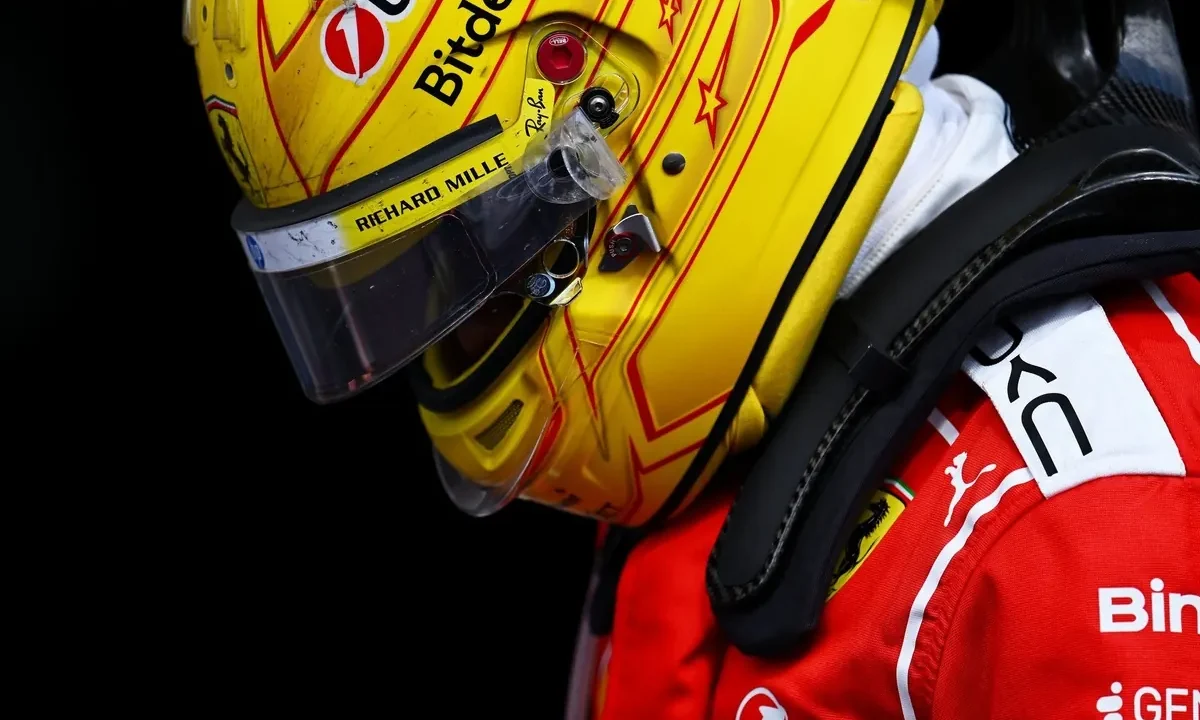
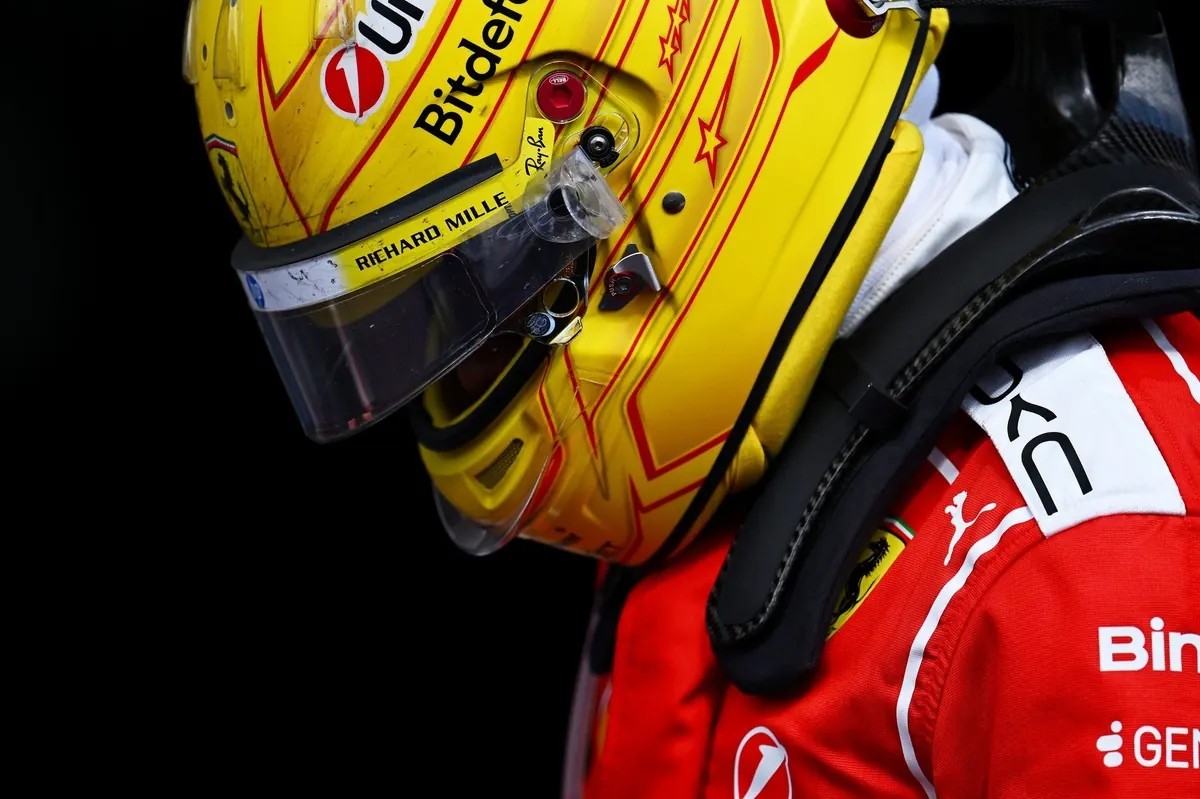
Lewis Hamilton has openly accepted full responsibility for his performance at the Belgian Grand Prix, stating that his inability to contend for a podium position stemmed from a practice crash earlier in the weekend. The Mercedes driver’s weekend took a downturn during the final practice session (FP3) when an incident at Turn 13 compromised his car and preparation.
Hamilton’s admission highlights the critical impact even minor incidents during practice can have on a driver’s race weekend trajectory. His candor about the situation provides insight into the high-pressure environment of Formula 1 and the self-assessment drivers undertake.
Impact of the FP3 Incident
During the closing moments of FP3, Hamilton carried excessive speed into Turn 13, resulting in his car skidding across the gravel. The incident culminated in his rear-right wheel clipping the barrier, causing damage to his Mercedes W15. While the team worked diligently to repair the car, the disruption to his practice time and potential underlying issues with the car’s setup are believed to have affected his race pace.
The practice crash meant Hamilton lost valuable track time, which is crucial for fine-tuning the car’s setup and understanding tire degradation on a challenging circuit like Spa-Francorchamps. This lost opportunity for optimization likely played a significant role in his struggles during qualifying and the main race.
Hamilton’s Self-Assessment
Hamilton’s statement indicates a clear understanding of the direct correlation between the practice incident and his subsequent performance. He reportedly felt that without the crash, he would have been in a stronger position to challenge the Ferrari cars, which demonstrated competitive pace throughout the weekend. This self-critique underscores his competitive drive and his commitment to delivering top results.
Key facts
| Driver | Incident | Race Performance |
|---|---|---|
| Lewis Hamilton | FP3 crash at Turn 13 | Did not challenge for podium |
| Circuit | Spa-Francorchamps | High-speed, technical track |
Team’s Perspective and Future Implications
While Hamilton took personal responsibility, the Mercedes team would also be analyzing the incident and its broader implications. Ensuring the car’s integrity and performance post-crash is paramount. Such incidents can sometimes lead to subtle performance compromises that are difficult to fully mitigate, even with extensive repairs.
For Mercedes, understanding the nuances of how the crash impacted Hamilton’s race is crucial for future preparations. It serves as a reminder of the fine margins in Formula 1, where a single mistake can alter the course of an entire race weekend. The team will undoubtedly be conducting a thorough review to minimize the chances of similar disruptions in upcoming events.
Looking Ahead
Despite the setback, Hamilton’s focus will now shift to the next Grand Prix, aiming to rebound from the disappointing Belgian outing. His willingness to take responsibility reflects his leadership within the team and his determination to improve. The incident also highlights the unforgiving nature of F1, where every session, including practice, carries significant weight.
Source: Motorsport.com F1 https://www.motorsport.com/f1/news/hamilton-takes-full-responsibility-for-not-delivering-on-ferrari-pace-at-belgian-gp/10840771/?utm_source=RSS&utm_medium=referral&utm_campaign=RSS-F1&utm_term=News&utm_content=www
Source
Motorsport.com F1 Original publication: 2026-07-22T08:25:27+00:00
Related news
Brewers and Dodgers Battle for MLB’s Best Record as Regular Season Winds Down
The Milwaukee Brewers hold a slim lead over the Los Angeles Dodgers for the best record in baseball with just days left…
Read story
Krukow channels Kuiper with impromptu home run call amid partner’s cancer treatment
In an emotional week for the Giants and their broadcast family, Mike Krukow instinctively used Duane Kuiper’s signature “It is outta here!”…
Read story
Arsenal Women’s Lack of Urgency Becoming a Defining Problem Under Slegers
Arsenal dropped points for the second straight WSL match, and worrying trends in their build-up play and tempo are threatening to define…
Read story
Mookie Betts Powers Dodgers Past Giants in Key Late-Season Win
Mookie Betts delivered a four-hit performance, including three doubles, as the Los Angeles Dodgers defeated the San Francisco Giants 10-4 on Saturday…
Read storyRelated wiki

MLB Wild Card Rules Explained: Format, Tiebreakers & Postseason Impact
How the MLB wild card works in the current postseason format, including tiebreaker procedures, the 3-game series structure, and what it means…
Read storyPlayoff race
Reference page for playoff race language, qualification lines, tiebreakers and games-in-hand context.
Read story