NFL Injury Report Rules: How to Read and Understand Each Designation
The NFL injury report rules can be confusing. Here’s a breakdown of every designation — from questionable to out — and how practice participation is reported.


Every NFL fan has seen the weekly injury report: a list of players with designations like questionable, doubtful, or out. But what do those terms actually mean? The NFL injury report rules are set by the league’s injury reporting policy, and they affect everything from game-day roster decisions to fantasy football lineups and betting markets. Understanding these designations helps you make better informed decisions without relying on guesswork.
This guide explains the official game statuses, practice participation codes, and the key deadlines you need to know. We also cover how to interpret the numbers behind each label and what to watch for when a team is less transparent than usual.
Official Game Status Designations
The NFL uses three standard designations for a player’s availability for the upcoming game. These are final statuses typically released on Friday (or Saturday for Monday night games).
| Status | Meaning | Typical Playing Probability |
|---|---|---|
| Out | Will not play. Placed on the inactive list before kickoff. | 0% |
| Doubtful | Unlikely to play. The team believes the player will not be ready. | 25% or lower |
| Questionable | Uncertain status. The player has a chance to play, but the decision may be made shortly before the game. | 50% or higher |
Out is the only definitive designation. If a player is listed as Out, they cannot suit up. Doubtful signals that the coaching staff does not expect the player to be active, though it is not a guarantee — a few players listed as doubtful have been activated late in the past. Questionable is the most ambiguous. Historically, roughly half of players listed as questionable end up playing, but the percentage varies by position and injury type. For example, a wide receiver with a hamstring issue is more likely to be held out than a quarterback with a finger sprain who is listed as questionable.
Practice Participation Codes
The injury report also includes practice participation status, released Wednesday through Friday. These codes indicate how much a player practiced during the week.
| Code | Full Name | Implication |
|---|---|---|
| DNP | Did Not Participate | The player did not practice at all. This is a strong indicator of a likely Out or Doubtful designation. |
| LP | Limited Participation | The player took part in some drills but not the full session. LP often leads to a Questionable tag. |
| FP | Full Participation | The player practiced without restrictions. FP usually means the player will be available on game day, unless the designation is a rest day or veteran maintenance. |
Teams sometimes list a player as FP but still give them a Questionable tag if the medical staff wants to evaluate the player closer to kickoff. Always check the Friday final report for the most accurate picture. Also note that a player can shift from DNP to LP to FP over the week, which is a positive sign. A player who stays DNP all week is almost certain to be ruled Out.
Key Rules and Deadlines
The NFL injury reporting policy is enforced by the league to ensure transparency and prevent teams from hiding injuries. The main rules:
- Wednesday: First injury report of the week is required. Teams must estimate participation if no practice was held.
- Thursday and Friday: Updated reports must be submitted. The Friday report is the final official status for Sunday games.
- Monday/Tuesday games: The final report is released on Saturday (for Monday games) or Sunday (for Tuesday games).
- Game-day inactives: Announced 90 minutes before kickoff. Players listed as Out are confirmed inactive; those listed as Questionable may be active or inactive.
Teams can be fined for failing to accurately report injuries. The league reviews each report for consistency. In recent seasons, the NFL has fined several teams for not listing a player who later missed a game. This enforcement keeps the injury report rules credible.
How the Rules Affect Fantasy and Betting
For fantasy football managers, the Friday injury report is the last reliable snapshot before lineups lock. If a player is Doubtful, it is wise to have a backup ready. If Questionable, check the team’s official social media or beat reporters 90 minutes before kickoff for the inactive list. Some fantasy platforms allow late swap options, so know your league’s rules.
For sports betting, injury report designations directly influence point spreads and over/under lines. A star player ruled Out can shift the line by several points. Be aware that some teams may list a player as Questionable as a strategic move, though the NFL actively monitors for abuse. A quarterback listed as questionable with a non-throwing hand injury is often a different situation than one with a knee issue.
Practical Next Steps
- Check the official NFL injury report on the team’s website or the league’s injury database. Avoid third-party aggregators that may lag behind.
- Follow the designated local beat reporters who often have early updates on game-day status. Many teams announce inactives via Twitter before the official 90-minute deadline.
- Remember that “Questionable” is not a guarantee of inactivity — many players listed as Questionable do play, especially if they were limited in practice but not DNP.
- If you are relying on injury reports for a DFS lineup or a bet, wait until the 90-minute inactive list is published. Do not make decisions based on the Friday report alone.
- For season-long fantasy, use the Wednesday and Thursday reports to monitor practice trends. A player who goes from DNP to LP on Thursday has a better chance of playing than one who stays DNP all week.
The NFL injury report rules are designed to give fans and bettors a fair snapshot of player availability. By understanding what each designation really means, you can avoid surprises and make more informed roster decisions. The key is to combine the game status with practice participation and the timing of the report.
Related news
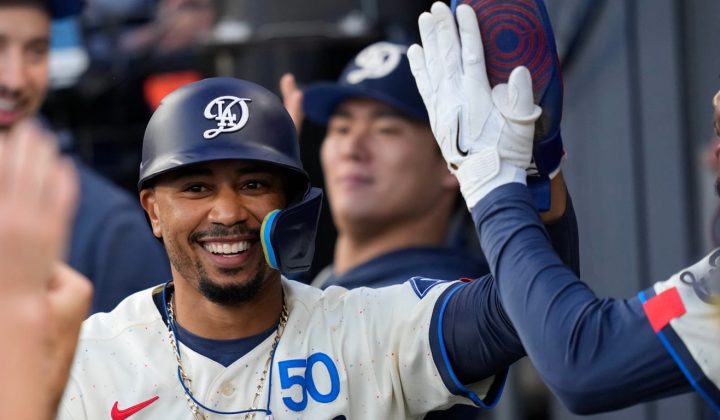
Mookie Betts Powers Dodgers Past Giants in Key Late-Season Win
Mookie Betts delivered a four-hit performance, including three doubles, as the Los Angeles Dodgers defeated the San Francisco Giants 10-4 on Saturday…
Read story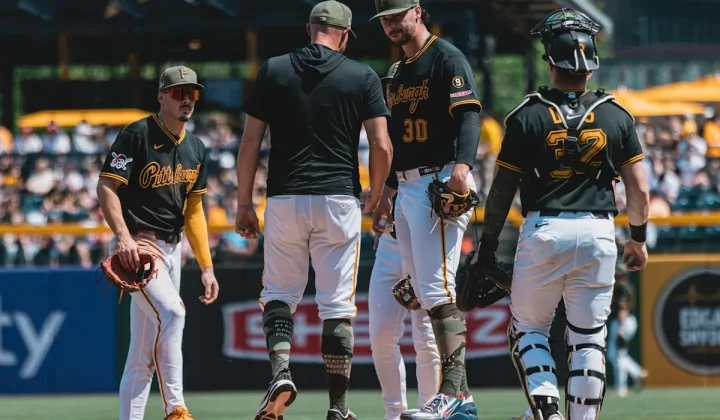
Pirates Eliminated From Playoff Contention Despite Offensive Surge in 2026
The Pittsburgh Pirates have been mathematically eliminated from the MLB postseason for the 11th consecutive year. Despite a vastly improved offense that…
Read story
Jamie Carragher’s High Praise Puts Daniel Munoz in Rare Premier League Company
The Nottingham Forest and Colombia defender received a remarkable endorsement from the Sky Sports pundit after his performance against Aston Villa, sparking…
Read story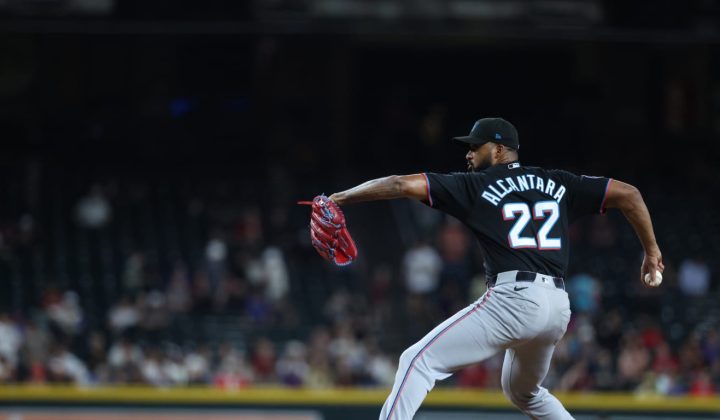
Sandy Alcantara Records First Career Save in Marlins Bullpen Appearance
Miami ace Sandy Alcantara earned his first career save Wednesday night, working a scoreless ninth inning in a 4-3 win over the…
Read storyRelated wiki

MLB Wild Card Rules Explained: Format, Tiebreakers & Postseason Impact
How the MLB wild card works in the current postseason format, including tiebreaker procedures, the 3-game series structure, and what it means…
Read storyPlayoff race
Reference page for playoff race language, qualification lines, tiebreakers and games-in-hand context.
Read story