MLB Salary Cap Debate: Owners and Union Spar Over the Meaning of ‘50/50’ Revenue Split
The revenue split is a key point of contention in cap leagues like the NBA and NHL. MLB is just now grappling with the particulars as the union pushes back on the league’s framing of a 50/50 split.
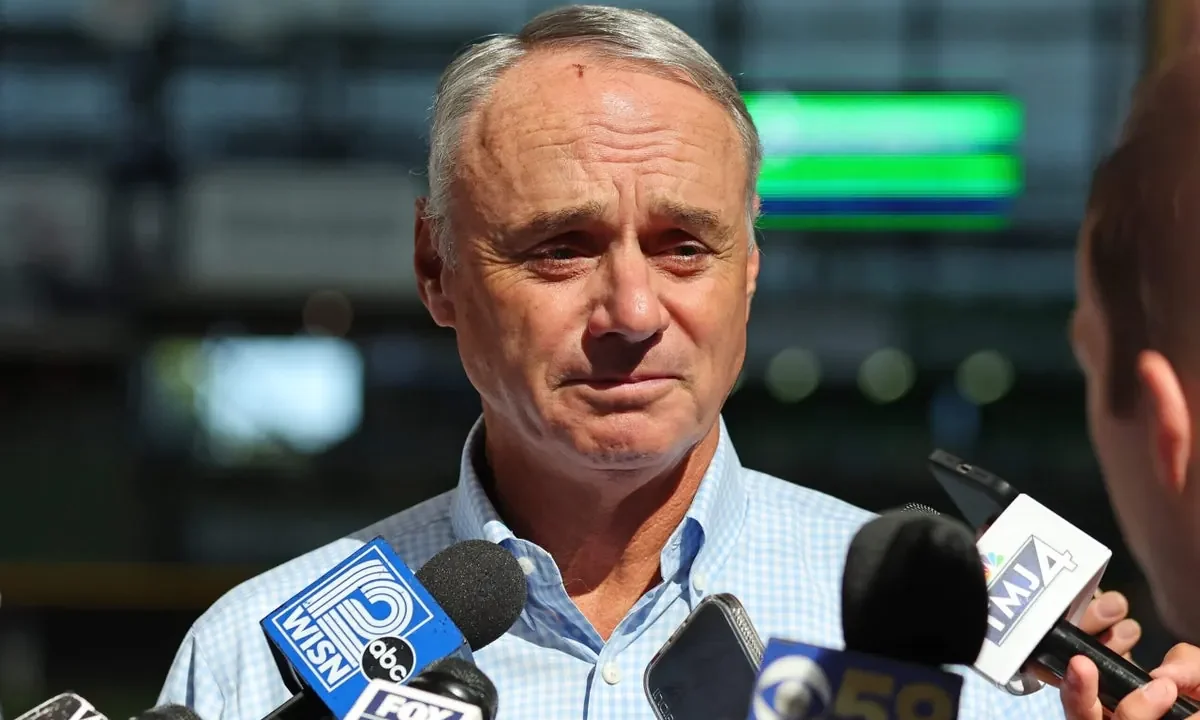
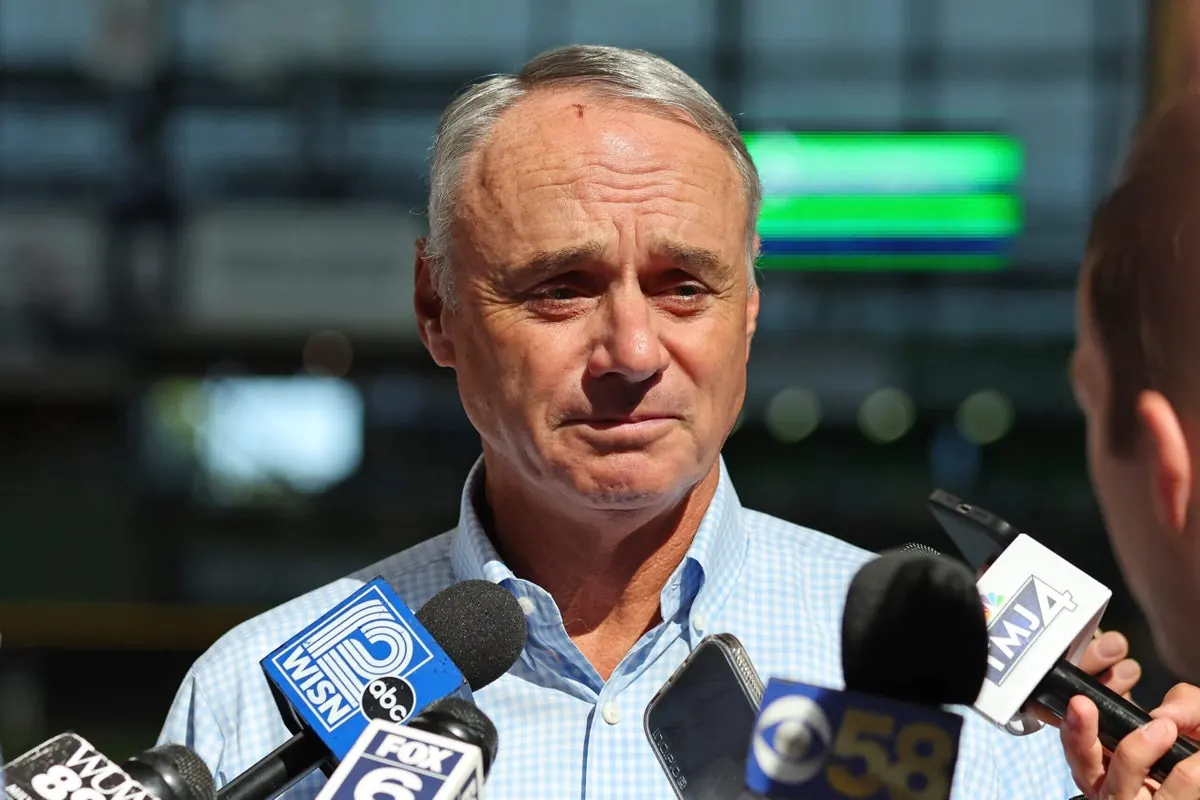
The battle over a salary cap in Major League Baseball has entered a new phase, with the league and the players’ union sparring over the meaning of a simple term: 50/50. MLB owners have proposed a cap system that they say would split baseball revenue equally between players and clubs. The union disagrees, arguing that the league’s proposal includes so many deductions that the real split would be far from even.
The dispute centers on the definition of “baseball revenue” (BR), a term MLB introduced in a formal proposal made on May 28. That proposal, reviewed by The Athletic, lays out a calculation that would allow the league to take up to 17 percent of local revenues and up to 22 percent of national revenues off the top as expenses. Some categories, such as ballpark construction and renovation costs, have no cap on deductions. The league also wants unlimited deductions for “new ventures” and for the MLB Network, its own television station.
Por que importa
The interim head of the Players Association, Bruce Meyer, responded sharply. “MLB hasn’t proposed a 50-50 ‘split’ of revenues. Any suggestion otherwise is misleading propaganda,” he said in a statement. Meyer added that the league’s proposal would skim “billions off the top” before reaching a split, and that revenue from franchise sales, expansion fees, and ballpark-area developments would not be shared. The league’s spokesperson, Glen Caplin, defended the proposal, saying the definition of baseball revenue “aligns closely with the proven approaches used in other leagues.”
How other leagues handle revenue splits
The revenue split is a central feature of salary-cap systems in the NBA, NHL, and NFL. In the NBA, the pool is called basketball-related income (BRI); in the NHL it is hockey-related revenue (HRR). Both leagues permit deductions, but MLB’s proposal takes a different approach. The union portrays it as a “Frankenstein” assembled from the least generous elements of other sports.
Contexto
For example, the NBA added a “second apron” in 2023 that has dampened free-agent markets, but players gained a new revenue stream: a share of licensed merchandise that previously did not count toward BRI. In MLB, the league wants to include traditional revenue sources like ticket sales, merchandise, broadcast rights, and even gameday parking within a half-mile radius. However, players would be largely excluded from ancillary businesses such as land sales, stadium leases, and mixed-use “ballpark districts” built around stadiums.
The NHL’s revenue split is routinely described as 50/50, but the union in MLB argues that the league’s proposal is structurally less favorable. The NFL has fewer deductions than the NBA or NHL, and none of the other cap leagues share franchise sale proceeds with players. The MLB union also notes that the league wants to cap the number of annual financial audits at 10, while the NFL and NHL unions have no limit, and the NBA union averages 15 per year.
Key facts
| Fact | Detail |
|——|——–|
| MLB proposal date | May 28, 2026 |
| Proposed revenue split | 50/50 after deductions |
| Maximum deduction on local revenues | 17% |
| Maximum deduction on national revenues | 22% |
| Number of annual audits proposed | 10 (NBA: 15 avg; NFL/NHL: unlimited) |
| Union’s position | Players already receive “well over” half of $12 billion industry revenue |
What is included and excluded from the revenue pool
Under MLB’s proposal, the “baseball revenue” pool would include ticket sales, merchandise, broadcast deals, suite sales, seat licenses, and 80 percent of stadium naming rights. Gameday parking within a half-mile radius also counts. But the league would exclude revenue from land sales, stadium-area leases, and most income from ballpark districts. The union argues that this leaves out a growing source of team revenue, particularly as franchises develop real estate around their venues.
The league also wants to count nearly every dollar spent on players against the players’ share: amateur signing bonuses, retirement benefits, moving expenses, even interpreters and clubhouse meals. Meyer said in June that MLB’s cap system “cobbled together the worst system for players in any of the major sports, and it’s not even close.”
Why this matters for baseball fans and the league’s future
The salary cap debate is not just a labor dispute; it affects the competitive balance and financial health of the sport. A cap with a tight revenue split could limit how much teams spend on players, potentially affecting free agency, payroll flexibility, and the quality of on-field product. The union argues that the current system, without a cap, has allowed player compensation to grow, while the league says a cap would create a more level playing field.
The outcome of these negotiations will shape MLB’s collective bargaining landscape for years. Fans should watch for further developments as both sides continue to present proposals and counterproposals. The union’s next move could include a formal response to MLB’s May 28 offer, possibly before the current collective bargaining agreement expires.
Source: The Athletic – “In battle over MLB salary cap, players and owners spar over the meaning of ‘50/50’” by Evan Drellich and Ken Rosenthal. https://www.nytimes.com/athletic/7473816/2026/07/28/mlb-union-salary-cap-revenue-split/
Datos clave
| Punto | Detalle |
|---|---|
| Fuente | The Athletic |
| Fecha | 2026-07-28T09:30:59+00:00 |
| Tema | In battle over MLB salary cap, players and owners spar over the meaning of ‘50/50’ |
Source
The Athletic Original publication: 2026-07-28T09:30:59+00:00
Related news
Pirates Eliminated From Playoff Contention Despite Offensive Surge in 2026
The Pittsburgh Pirates have been mathematically eliminated from the MLB postseason for the 11th consecutive year. Despite a vastly improved offense that…
Read story
Jamie Carragher’s High Praise Puts Daniel Munoz in Rare Premier League Company
The Nottingham Forest and Colombia defender received a remarkable endorsement from the Sky Sports pundit after his performance against Aston Villa, sparking…
Read story
Sandy Alcantara Records First Career Save in Marlins Bullpen Appearance
Miami ace Sandy Alcantara earned his first career save Wednesday night, working a scoreless ninth inning in a 4-3 win over the…
Read story
Broncos Defense Faces Another Test as Jaguars Visit Denver in Week 2
After allowing 220 rushing yards and 31 points to Kansas City in Week 1, Denver’s defense now must contain Trevor Lawrence and…
Read storyRelated wiki

MLB Wild Card Rules Explained: Format, Tiebreakers & Postseason Impact
How the MLB wild card works in the current postseason format, including tiebreaker procedures, the 3-game series structure, and what it means…
Read storyPlayoff race
Reference page for playoff race language, qualification lines, tiebreakers and games-in-hand context.
Read story