NFL Point Spread Explained: How to Read the Line and Why It Matters
Learn what the NFL point spread means, how sportsbooks set it, and how to interpret the line for Sunday games. Includes a breakdown of common terms, real examples, and practical next steps.


If you have ever looked at an NFL game preview and seen a line like “Kansas City Chiefs -7.5 vs. Las Vegas Raiders,” you have encountered the point spread. The spread is one of the most common ways to compare two teams and is used by fans, analysts, and oddsmakers to measure expected performance. But what exactly does it mean, and how should you interpret it? This guide breaks down the NFL point spread, how it is set, and how you can use it to evaluate matchups.
The point spread is a number set by oddsmakers to create a balanced betting market. The favorite (the team expected to win by more than the spread) is listed with a minus sign, while the underdog gets a plus sign. For example, “Chiefs -7.5” means Kansas City is favored by 7.5 points. To “cover the spread,” the Chiefs must win by at least 8 points. The Raiders, as +7.5 underdogs, would cover if they lose by 7 or fewer points, or win outright. The spread is not a prediction of the final score; it is a tool to balance action on both sides.
How Oddsmakers Set the NFL Point Spread
Oddsmakers do not predict the final score. Instead, they set the spread to attract equal money on both sides. The process involves analyzing team performance, injuries, weather, and historical data. Official sources such as the NFL’s daily injury reports, team depth charts from official team websites, and league statistics from NFL.com/stats are used first. Secondary context from ESPN, The Athletic, and CBS Sports helps refine the number.
The spread moves as money comes in. If a large number of bettors take the favorite, the line may move from -7.5 to -8 to discourage further action. Public perception, sharp money (professional bettors), and late injury news all influence the final line. For example, in Week 1 of the 2024 season, the Kansas City Chiefs opened as -4 favorites against the Baltimore Ravens, but by kickoff the line had moved to -4.5 due to late money on the Chiefs (source: ESPN Betting Lines).
Key Terms and Examples
The table below explains the essential terms you need to know when reading an NFL point spread.
| Term | Meaning | Example |
|---|---|---|
| Favorite | Team expected to win by more than the spread | Chiefs -7.5 |
| Underdog | Team expected to lose by less than the spread or win outright | Raiders +7.5 |
| Cover | The team wins by enough (favorite) or loses by less than the spread (underdog) | Chiefs win 24-14 (cover) |
| Push | The margin matches the spread exactly (rare with half-point lines) | Chiefs win 24-16 (push if spread is 8) |
| Line movement | Change in the spread from the opening number to game time | Opened -7, moved to -7.5 |
Half-point spreads (like 7.5) are used to prevent ties. In the NFL, a push occurs only when the final margin exactly matches the spread, which is far less common with half-point lines. Sportsbooks prefer half-points because they guarantee a winner on every bet.
Why the Spread Matters for Game Analysis
The point spread gives you a more precise picture of how teams are expected to perform than the simple win/loss record. A team that covers the spread regularly may be more consistent, while a team that fails to cover often could be overvalued. For example, in the 2023 season, the San Francisco 49ers covered the spread in 11 of 17 games, according to data from Covers.com. That indicates they often outperformed market expectations.
The spread also accounts for home-field advantage, which is typically worth about 3 points in the NFL. That means a team playing at home might be a 3-point favorite over an identical opponent on the road. For instance, the Buffalo Bills have been a strong home team in recent years, often getting a 3-point boost in the spread when playing at Highmark Stadium. Check the Buffalo Bills official site for home game trends.
Common Misconceptions About the NFL Point Spread
Many fans misinterpret what the spread actually tells you. Here are three frequent mistakes:
“The spread predicts the final score.” No. The spread is a market equilibrium, not a prediction. The actual final score could be 30-10, and the line still served its purpose. For example, if the final score is 28-20, the favorite covered a -7.5 spread, but the game was closer than the margin suggests.
“A favorite that doesn’t cover played poorly.” Not necessarily. The team may have won by a field goal but still failed to cover a 7-point spread. That is a matter of the line being too high, not the team’s performance being bad. In 2023, the Dallas Cowboys won a game 20-17 but failed to cover as -7.5 favorites, yet they still played well enough to win. You can verify game results on Pro Football Reference.
“Half-point spreads are unfair.” Half-points exist to prevent ties (pushes). They force either a win or loss on the spread, which is common in NFL betting. Without them, the number of pushes would be higher, especially for spreads of 3, 7, and 10 points, which are the most common margins of victory in the NFL. According to NFL.com, margins of 3 and 7 occur in roughly 25% of all games.
How to Read the Line Before Sunday’s Games
When you watch an NFL game, pay attention to the spread before kickoff. Compare it with the official injury report: if a key player is ruled out, the line often moves. Check the standings and recent form. The spread is a starting point, not a final verdict. It helps you understand what the market thinks, but your own research should always include concrete data from official sources.
For example, if the Dallas Cowboys are -6.5 at home against the New York Giants, look at the Cowboys’ home record, the Giants’ road performance, and the latest injury report. If the Giants’ starting quarterback is limited, the spread may be justified. If the line is too high based on recent form, the underdog might be a better value. Use resources like NFL.com’s injury report and Pro Football Reference for historical data.
Next Steps: Apply the Spread to Your Game Analysis
The next time you see an NFL point spread, you now know what it means and how to evaluate it. Use official NFL injury reports (nfl.com/injuries) and team websites (e.g., chiefs.com for roster updates) to check roster status before the game. Compare the spread with the over/under (total points) to see the full picture. The spread is a tool for understanding expectations, not a guarantee of any outcome.
For deeper analysis, track the line movement during the week. If a spread moves from -3 to -3.5, that indicates money is flowing to the favorite. Visit sites like ESPN or CBS Sports to see live lines. The NFL point spread is a dynamic number that reflects real-time information, and understanding it can give you a clearer view of the matchup.
Related news
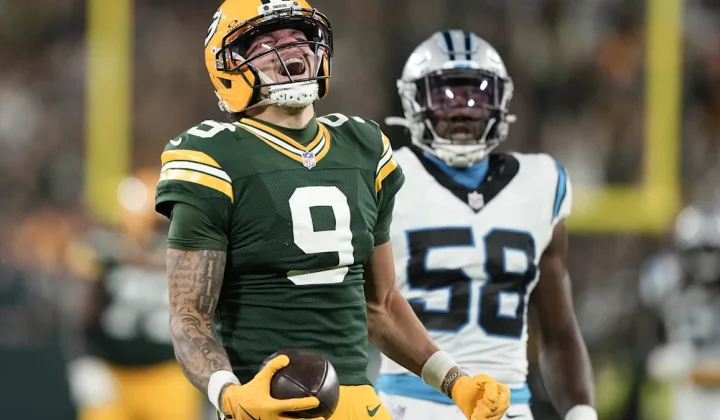
Packers’ Christian Watson Details Hospital Trip and Return After Rib Scare Against Panthers
Green Bay receiver Christian Watson explains why he left Lambeau Field by ambulance during Thursday’s win over Carolina, what the hospital evaluation…
Read story
Jurickson Profar Plays First Game Since 162-Game Suspension With Venezuelan Winter League Debut
The Braves outfielder went 2-for-4 in his Venezuelan winter league debut and addressed the club on camera for the first time, according…
Read story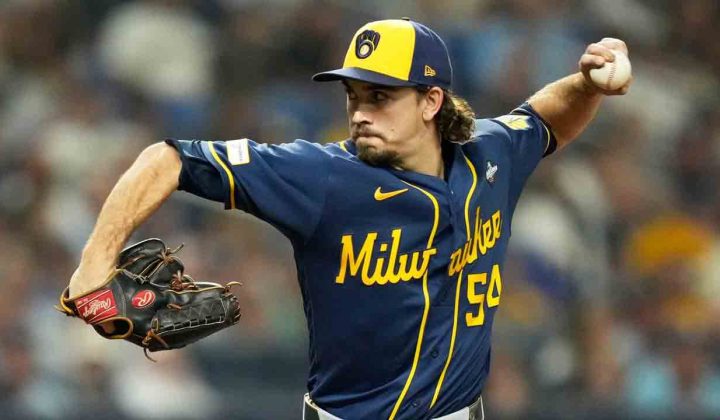
Robert Gasser’s six scoreless innings put Brewers one win from World Series title
The rookie limited Tampa Bay to one hit over six innings as Milwaukee won Game 3, 10-1, and moved within one victory…
Read story
Week 7 Fantasy Football Takeaways: Garrett Wilson and Justin Jefferson Headline Top Receiver Woes
Michael Salfino breaks down the biggest fantasy football storylines from Week 7, including the continued struggles of star wide receivers Garrett Wilson…
Read storyRelated wiki

MLB Wild Card Rules Explained: Format, Tiebreakers & Postseason Impact
How the MLB wild card works in the current postseason format, including tiebreaker procedures, the 3-game series structure, and what it means…
Read storyPlayoff race
Reference page for playoff race language, qualification lines, tiebreakers and games-in-hand context.
Read story