Mets trade deadline tiers: David Stearns faces difficult balancing act as seller
The Mets are sellers at the 2026 trade deadline, with a mix of expiring contracts and controllable players. Here is how likely each key piece is to be moved before Monday.

The New York Mets enter the final weekend before the 2026 trade deadline as the most active seller in the league, according to multiple reports. President of baseball operations David Stearns must decide which veterans on expiring contracts to move, and whether to part with younger players under team control who could help the team contend in 2027.
The deadline is Monday, July 31. The Mets are well out of playoff contention, making it likely that several players will be traded. The team’s 40-man roster includes a mix of rentals, players with club options, and long-term commitments. The following tiers, based on reporting from Yahoo Sports, outline how likely each player is to be moved.
| Key facts | |
|---|---|
| Deadline | Monday, July 31, 2026, at 6 p.m. ET |
| Mets’ status | Sellers, well out of playoff race |
| Biggest trade chips | A.J. Minter, Freddy Peralta, Luis Robert Jr., Clay Holmes |
Tier 1: Already packing their bags
Four players on expiring contracts are all but certain to be traded before the deadline: left-handed relievers A.J. Minter and Brooks Raley, right-handed starter Freddy Peralta, and outfielder Tyrone Taylor. All four will enter free agency after this season, and the Mets have no incentive to keep them.
Minter and Raley bring veteran left-handed bullpen depth that contenders covet for high-leverage spots. Taylor, a right-handed hitter, has been hot at the plate recently and offers quality defense in the outfield. Peralta has had a disastrous season in a Mets uniform, but teams are still lining up to acquire him, betting they can unlock his previous form down the stretch.
Tier 2: Likely gone, but a slim chance to stay
Right-handed reliever Clay Holmes and outfielder Luis Robert Jr. are very likely to be traded, but each has a scenario that could keep them in New York.
Holmes is essentially a rental: his $12 million player option for 2027 is expected to be declined, making him a free agent this winter. The Mets have discussed a contract extension, but little progress has been reported. If no extension is reached, moving Holmes is the only logical step.
Robert is under team control for 2027 via a $20 million club option. Since returning from the injured list, he has three hits in 24 plate appearances, including two home runs. However, the Mets’ outfield is already crowded for next season, and Robert’s recurring injury history makes him a logical trade candidate.
Tier 3: Under control, but the Mets will listen
This group includes players with team control beyond 2026 who could be part of the next contending team, but are available for the right price: IF/OF Brett Baty, RHP Huascar Brazobán, LHP Sean Manaea, C Luis Torrens, 1B/DH Mark Vientos, RHP Luke Weaver, and 1B/OF Jared Young.
Weaver and Torrens draw the most interest. Weaver has a 1.93 ERA and experience pitching in New York, making him a valuable bullpen piece. Torrens is part of a solid catching tandem with Francisco Alvarez. Trading either would create a hole for 2027. The Mets will set a high asking price, but if another team exceeds their internal valuation, they will consider it.
Tier 4: Would require a significant return
Catcher Francisco Alvarez and closer Devin Williams fall into this category. Both are under control beyond this season, and the Mets would need a substantial package to part with them.
Alvarez has shown flashes of the power that made him a top prospect, but his production has not consistently matched the hype. Catchers are in high demand around the league. Williams is under contract through 2027 with a team option for 2028. Moving either would create a glaring weakness for next year’s team. If the Mets are willing to enter a multi-year rebuild, the calculus changes, but that is not the current plan.
Tier 5: Low trade value, contracts complicate moves
This group includes players with large salaries or limited production: IF Ronny Mauricio, DH Jorge Polanco ($20 million through 2027), 2B Marcus Semien ($26 million through 2028), and RHP Kodai Senga ($15 million through 2027, plus club option). Their contracts make them difficult to trade, and their injury history or poor performance this season further reduces interest.
Mauricio has strong Triple-A numbers but has not seized his opportunities in the majors. He could be a fit for a rebuilding team that wants to take a chance on his power and versatility.
Tier 6: Untouchable due to contracts and no-trade clauses
Shortstop Francisco Lindor and third baseman Bo Bichette are the least likely to be moved. Both have full no-trade clauses. Bichette has a player option after this season (part of his three-year, $126 million contract), while Lindor is owed more than $150 million over the remainder of his 10-year, $341 million deal. The Mets view both as part of the solution when healthy. Bichette has rebounded from a slow start, and Lindor has been heating up after a rare injury-plagued stretch.
The Mets’ trade deadline decisions will shape the roster for 2027 and beyond. Moving rentals is straightforward. The harder calls come with players who could help next year but also bring back young talent that accelerates a rebuild. David Stearns has until Monday to find the right balance.
Source: Yahoo Sports – “Mets trade tiers: How likely is David Stearns to move these players by deadline?” https://sports.yahoo.com/articles/mets-trade-tiers-likely-david-100124544.html
Source
Yahoo Sports Original publication: 2026-07-29T12:15:17+00:00
Related news
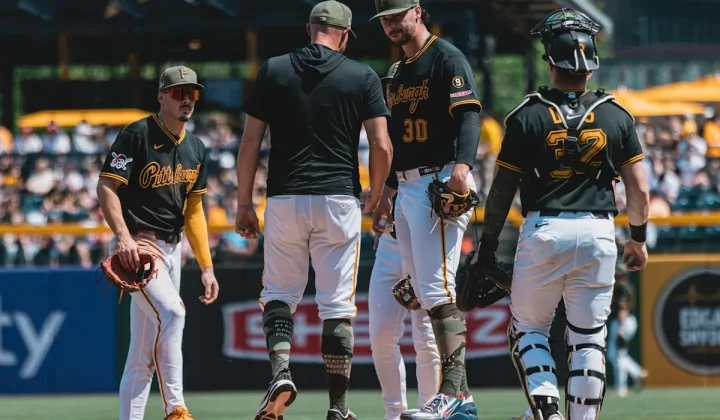
Pirates Eliminated From Playoff Contention Despite Offensive Surge in 2026
The Pittsburgh Pirates have been mathematically eliminated from the MLB postseason for the 11th consecutive year. Despite a vastly improved offense that…
Read story
Jamie Carragher’s High Praise Puts Daniel Munoz in Rare Premier League Company
The Nottingham Forest and Colombia defender received a remarkable endorsement from the Sky Sports pundit after his performance against Aston Villa, sparking…
Read story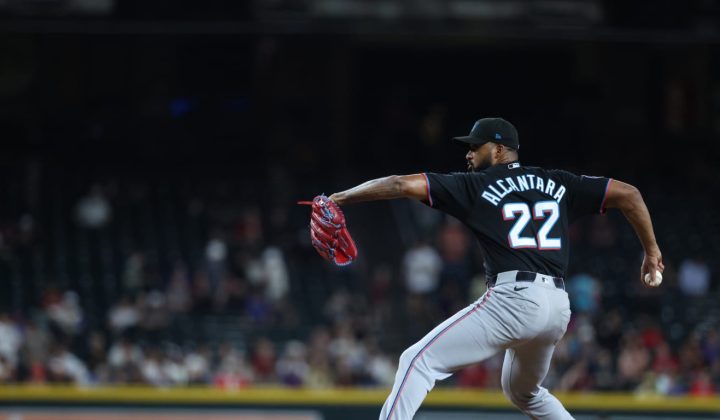
Sandy Alcantara Records First Career Save in Marlins Bullpen Appearance
Miami ace Sandy Alcantara earned his first career save Wednesday night, working a scoreless ninth inning in a 4-3 win over the…
Read story
Broncos Defense Faces Another Test as Jaguars Visit Denver in Week 2
After allowing 220 rushing yards and 31 points to Kansas City in Week 1, Denver’s defense now must contain Trevor Lawrence and…
Read storyRelated wiki

MLB Wild Card Rules Explained: Format, Tiebreakers & Postseason Impact
How the MLB wild card works in the current postseason format, including tiebreaker procedures, the 3-game series structure, and what it means…
Read storyPlayoff race
Reference page for playoff race language, qualification lines, tiebreakers and games-in-hand context.
Read story