How to Fact-Check a News Story Before You Share It
A practical 10-minute verification routine for breaking news, viral claims, and suspicious headlines.


Imagine a screenshot in a neighborhood group claims a local bridge is closed for emergency repairs. The image looks like it comes from the city’s transportation page, but it has no date. In the original post, the notice appeared months ago. A 30-second visit to the city’s website would show the bridge reopened last week. This is the pattern behind many viral news errors. This guide walks you through a ten-minute verification routine that works for local news updates, national headlines, and suspicious claims in group chats.
The Cost of an Unverified Share
Unverified news is not just an online annoyance. A false closure notice can send drivers to congested detours or keep people away from essential services. Misinformation about public safety can influence where people go and what they do before officials can respond. Researchers have repeatedly shown that false claims spread faster than true ones; a widely cited 2018 analysis of Twitter found falsehoods reached a larger audience and travelled quicker than accurate reporting. While that study focused on social media, the same dynamic drives a single forwarded message in a neighborhood group. The cost of a check is minutes, whereas the cost of a mistake can be hours of correction and loss of trust.
The First 5-Minute Triage
Start by looking at the basics. If you see a news link, check the domain name: is it a known outlet, or is it an unfamiliar site that mimics one? Open the website’s homepage to see if the story is actually there. Look for a published date and a byline. If the date is missing or the byline is a generic word like “staff,” treat the article with caution. Also inspect the URL structure; a long string of numbers and promotional keywords is a red flag. For a screenshot, ask the sender for the original link instead of relying on the image. Finally, see if the article includes a clear separation between news and opinion. An opinion piece can still contain facts, but it is not a news report and should not be used as one.
How to Trace the Original Source
After the triage, trace the claim to its origin. A reliable news story will link to a press release, a government notice, a court filing, or a named expert. Search for the exact phrase that appears in the headline to see whether other outlets are reporting the same details. Use reverse image search on any visuals; an old photo can make a current event look more serious than it is. When a story quotes someone, look for the full quote from the organization’s official transcript or video. If the quote only appears in that one article, it may be a paraphrase or fabrication. For local news, check the official social media account of the agency mentioned in the story. Many public agencies share updates directly and will list a phone number for verification.
Use a Verification Table to Evaluate Any Claim
Run the item through this simple table. For each row, mark a green light or a red flag. If you get a red flag, do not share the item until you have higher-confidence evidence from an additional source.
| Check | Good sign | Red flag |
|---|---|---|
| Source | Official website, established outlet with a corrections policy | Unknown domain, sponsored post, recycled press release |
| Date | Clear timestamp, stated update time | No date, or a date that has been silently changed |
| Quotes | Direct link to recording or full text | No source, vague attribution like “experts say” |
| Evidence | Original documents, videos, datasets | Recycled stock image, mislabeled photo, missing context |
| Motivation | Story explains why it matters and who benefits | Story uses emotional triggers but lacks clear purpose |
A table check does not prove every fact, but it forces you to name what you are certain about. If you cannot identify the original source or the latest date, say so when you share the story.
The Missing Facts: What to Do With Uncertainty
Not every incomplete news item is false. A breaking story may legitimately lack a number or an official identification because the event is still developing. That is not the same as ignoring a correction. Pay attention to the language of the article. A good report will use phrases like “according to the police press release” or “the agency has not yet released a count.” Avoid articles that claim to have full knowledge but show no evidence. When you are uncertain, share with a caveat: “This is unconfirmed and the date is unclear” is a simple, honest signal. If you are a news publisher, apply the same discipline to your own headlines. Write a headline that matches the strength of the evidence, and update the headline when more information appears.
Build Your Own Verification Checkpoint in 5 Minutes
Turn this routine into a habit. Save the three most-used reverse image search services and the fact-checking websites for your region in a note on your phone. Next time you see a suspicious post, open a blank note and write down three answers: what is the source? When was it published? Where is the original evidence? If a timer goes off after ten minutes and you still cannot answer all three, pause before sharing. Over time, this process becomes automatic, and it is the closest thing to a real immunity against misinformation.
Related news

Mookie Betts Powers Dodgers Past Giants in Key Late-Season Win
Mookie Betts delivered a four-hit performance, including three doubles, as the Los Angeles Dodgers defeated the San Francisco Giants 10-4 on Saturday…
Read story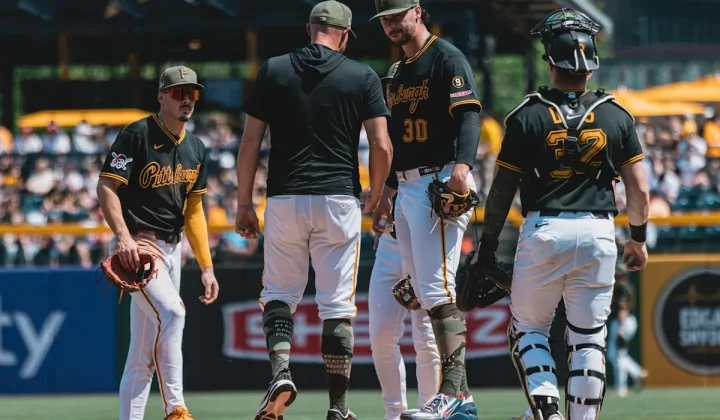
Pirates Eliminated From Playoff Contention Despite Offensive Surge in 2026
The Pittsburgh Pirates have been mathematically eliminated from the MLB postseason for the 11th consecutive year. Despite a vastly improved offense that…
Read story
Jamie Carragher’s High Praise Puts Daniel Munoz in Rare Premier League Company
The Nottingham Forest and Colombia defender received a remarkable endorsement from the Sky Sports pundit after his performance against Aston Villa, sparking…
Read story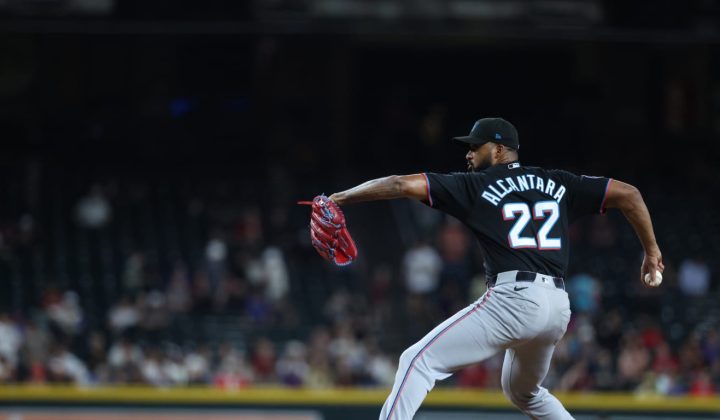
Sandy Alcantara Records First Career Save in Marlins Bullpen Appearance
Miami ace Sandy Alcantara earned his first career save Wednesday night, working a scoreless ninth inning in a 4-3 win over the…
Read storyRelated wiki

MLB Wild Card Rules Explained: Format, Tiebreakers & Postseason Impact
How the MLB wild card works in the current postseason format, including tiebreaker procedures, the 3-game series structure, and what it means…
Read storyPlayoff race
Reference page for playoff race language, qualification lines, tiebreakers and games-in-hand context.
Read story