How to Read Sports Schedules: Kickoff Times, Time Zones & Broadcast Windows Explained
Never miss a moment of the action. Learn how to accurately interpret official sports schedules for NFL, NBA, MLB, NHL, soccer, tennis, and F1, accounting for kickoff times, time zones, and broadcast information.
Following your favorite sports teams and tournaments can be thrilling, but navigating official schedules to catch every kickoff, tipoff, puck drop, or first pitch requires careful attention. Misinterpreting times, especially with varying time zones and broadcast windows, is a common pitfall. This guide will help you accurately read official sports schedules across major leagues like the NFL, NBA, MLB, NHL, and global sports such as soccer, tennis, and Formula 1.
Understanding Official Schedules
Official league websites, team pages, and tournament organizers are your primary sources for accurate schedule information. These sources are updated frequently and provide the most reliable details, including any last-minute changes or postponements.
Time Zones: The Non-Negotiable Detail
The biggest hurdle for many fans is the time zone. Most official schedules display times in a specific local time zone, often the time zone of the venue where the game or match is taking place.
- Venue Time Zone: Always assume the time listed is local to the event’s location unless explicitly stated otherwise. For example, an NFL game played in Los Angeles will typically be listed in Pacific Time (PT). An NBA game in New York will be in Eastern Time (ET).
- Your Time Zone Conversion: You’ll need to convert the listed time to your local time zone. Many online tools and even some official schedule pages offer built-in converters.
- Daylight Saving Time (DST): Be aware of DST changes. Schedules published months in advance might not account for future DST shifts, or they might specify if times are “ET” (Eastern Time, which observes DST) versus “EST” (Eastern Standard Time, which does not). When in doubt, check the current date against DST rules for both the venue and your location.
Kickoff, Tipoff, Puck Drop & First Pitch: What Do They Mean?
These terms indicate the precise start of play. While often used interchangeably with “game time,” there can be subtle differences, especially with pre-game ceremonies or broadcast lead-ins.
- NFL (Kickoff): The moment the ball is kicked to start the game.
- NBA (Tipoff): When the ball is tossed up for the opening jump ball.
- MLB (First Pitch): The first official pitch thrown in the game.
- NHL (Puck Drop): When the puck is dropped to start the first face-off.
- Soccer (Kickoff): The initial kick to start the match.
- Tennis (Match Start): The moment the first serve is hit.
- Formula 1 (Race Start): When the lights go out to begin the race.
These times are usually firm once set, but always check for late announcements.
Broadcast Windows and TV Schedules
Beyond the game time, understanding how and where to watch is crucial.
- Broadcast Partners: Official schedules often list the primary TV network or streaming service carrying the event. For example, “FOX,” “ESPN,” “NBC,” “TNT,” “Peacock,” or “Apple TV+.”
- Regional vs. National: Some games, particularly in MLB and NBA, might have regional blackouts or be broadcast only on local sports networks in specific markets. Check specific team or league broadcast guides.
- Pre-Game and Post-Game Coverage: The “broadcast window” usually refers to the entire block of time allocated by the network, including pre-game shows and post-game analysis, which may start significantly before the actual game time.
- International Viewers: International broadcast rights can vary wildly. Official league or tournament sites usually have dedicated sections for international broadcast information.
Postponements and Schedule Changes
Sports schedules are dynamic. Weather, unforeseen circumstances, or public health concerns can lead to postponements or changes.
- Official Announcements: Always rely on official league, team, or tournament channels for updates on postponements, cancellations, or venue changes. Social media accounts of these entities are often the fastest source for real-time alerts.
- Rescheduled Games: If a game is postponed, the official schedule will typically be updated with the new date and time when available.
Checklist for Reading Sports Schedules
Use this compact checklist to ensure you have all the necessary information.
| Item | Action | Why It Matters |
|---|---|---|
| Date | Confirm the specific day of the event. | Avoid confusion with similar fixture dates. |
| Local Game Time | Identify the start time listed on the official schedule. | This is the fixed point of reference. |
| Venue Time Zone | Determine the time zone of the event’s location (e.g., ET, CT, PT, GMT). | Crucial for accurate conversion. |
| Your Time Zone | Convert the local game time to your current local time zone. | Ensures you watch at the correct time. |
| Broadcast Channel | Note the TV network or streaming service. | So you know where to tune in. |
| Status (if any) | Check for “Postponed,” “Cancelled,” or “Rescheduled” notices. | Confirms the event is still happening as planned. |
Source Trail
- Official League Websites: For NFL (NFL.com), NBA (NBA.com), MLB (MLB.com), NHL (NHL.com), Premier League (premierleague.com), ATP Tour (atptour.com), WTA Tour (wtatour.com), Formula 1 (formula1.com).
- Official Team Websites: Most teams publish their full schedule with local broadcast information.
- Official Tournament Websites: Grand Slam tennis tournaments (e.g., Wimbledon.com, usopen.org), or specific soccer tournament sites.
- Official Broadcast Partner Websites: For specific TV schedules (e.g., ESPN.com/tv, FOXSports.com/tv-schedule).
By following these guidelines, you can confidently navigate official sports schedules and ensure you’re always ready for the action, no matter where you are or where the game is played.
Related news
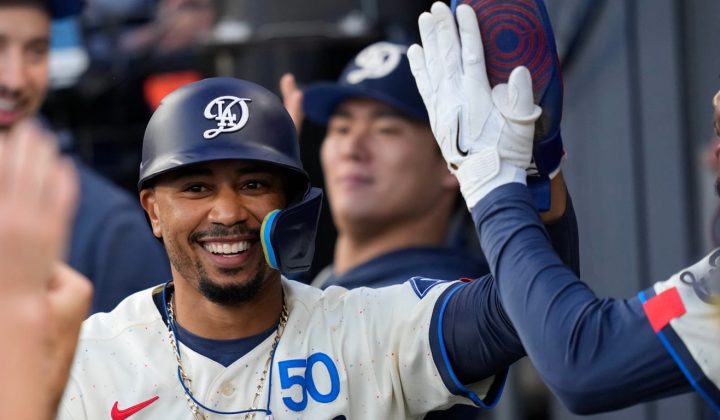
Mookie Betts Powers Dodgers Past Giants in Key Late-Season Win
Mookie Betts delivered a four-hit performance, including three doubles, as the Los Angeles Dodgers defeated the San Francisco Giants 10-4 on Saturday…
Read story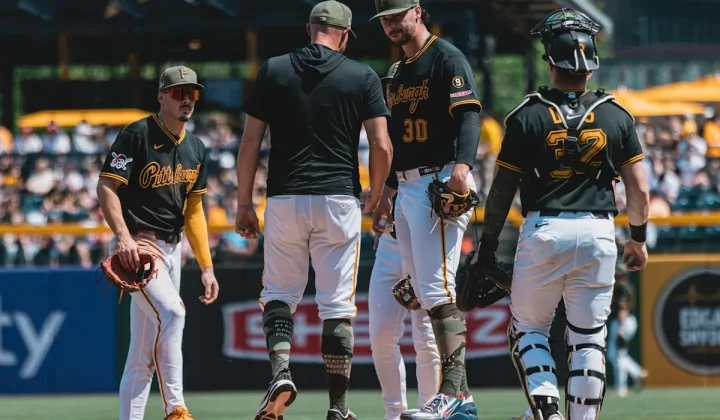
Pirates Eliminated From Playoff Contention Despite Offensive Surge in 2026
The Pittsburgh Pirates have been mathematically eliminated from the MLB postseason for the 11th consecutive year. Despite a vastly improved offense that…
Read story
Jamie Carragher’s High Praise Puts Daniel Munoz in Rare Premier League Company
The Nottingham Forest and Colombia defender received a remarkable endorsement from the Sky Sports pundit after his performance against Aston Villa, sparking…
Read story
Sandy Alcantara Records First Career Save in Marlins Bullpen Appearance
Miami ace Sandy Alcantara earned his first career save Wednesday night, working a scoreless ninth inning in a 4-3 win over the…
Read storyRelated wiki

MLB Wild Card Rules Explained: Format, Tiebreakers & Postseason Impact
How the MLB wild card works in the current postseason format, including tiebreaker procedures, the 3-game series structure, and what it means…
Read storyPlayoff race
Reference page for playoff race language, qualification lines, tiebreakers and games-in-hand context.
Read story