How To Build A Responsible Sports Prediction Before Game Time
A responsible sports prediction checks official schedules, availability, form, matchup data and market context without treating any forecast as a guarantee.

A responsible sports prediction starts with a simple rule: the forecast is a structured read on available evidence, not a promise about the result. Before game time, the best analysis separates confirmed information from assumptions, checks official availability reports, and treats betting markets as context rather than instruction.
Start With The Official Game Context
The first layer is the fixture itself: date, venue, start time, travel spot and competition stakes. League schedules, team pages and official match centres are the safest places to confirm whether a game is actually set, whether a venue has changed and whether weather or travel has affected preparation.
Availability Changes The Baseline
Injury reports, suspensions, rest decisions and roster moves can change a forecast more than recent form. A star listed as questionable, a starting goalkeeper ruled out, a pitcher scratched from a start or a Formula 1 grid penalty can shift the whole reading. The key is to state the status clearly and avoid treating unconfirmed reports as final.
Form Needs Context
Win streaks and losing streaks are useful only when the schedule is understood. A team may look strong after facing weaker opponents, or worse than it is after a road-heavy stretch. Standings position, margin trends, opponent quality and recent tactical changes all help explain whether form is sustainable.
| Input | What To Check | Risk If Ignored |
|---|---|---|
| Official schedule | Venue, time zone, rest and travel | Wrong assumptions about preparation |
| Availability | Injury report, suspensions, roster news | Forecast based on players who may not play |
| Recent form | Opponent quality and margin trends | Overreacting to a streak |
| Market context | Timestamped odds movement | Confusing price movement with certainty |
Use Odds As Context, Not Advice
Odds movement can show how the market is reacting to news, but it does not prove what will happen. A line can move because of injuries, public demand, limits, timing or simple market correction. If odds are mentioned, they should be timestamped and framed as one signal among many.
Why The Read Could Be Wrong
Every prediction should include a failure case. A team can change rotation, a coach can adjust the game plan, weather can alter tempo, or late team news can make earlier analysis stale. Naming those weak points makes the forecast more useful and more honest.
Responsible-Use Note
This article is sports analysis, not betting advice. Readers should verify local rules, age requirements and operator terms before using any betting-related information, and should never treat a prediction as a guaranteed outcome.
Related news
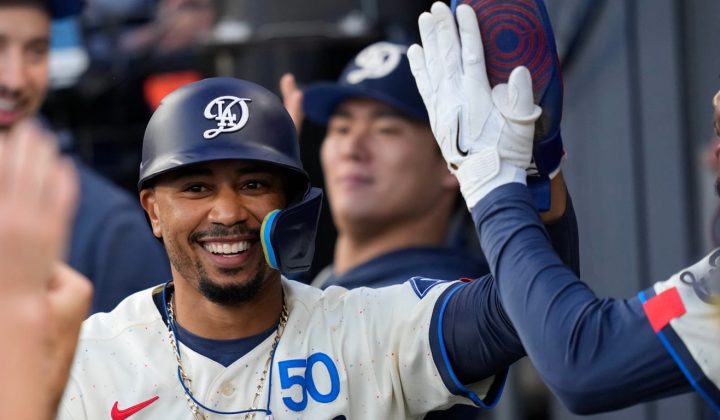
Mookie Betts Powers Dodgers Past Giants in Key Late-Season Win
Mookie Betts delivered a four-hit performance, including three doubles, as the Los Angeles Dodgers defeated the San Francisco Giants 10-4 on Saturday…
Read story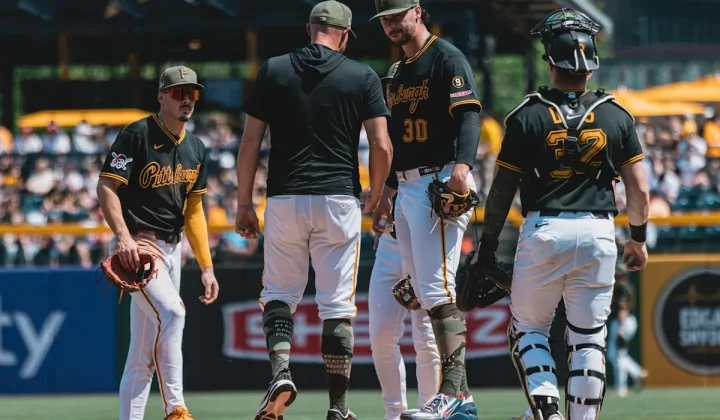
Pirates Eliminated From Playoff Contention Despite Offensive Surge in 2026
The Pittsburgh Pirates have been mathematically eliminated from the MLB postseason for the 11th consecutive year. Despite a vastly improved offense that…
Read story
Jamie Carragher’s High Praise Puts Daniel Munoz in Rare Premier League Company
The Nottingham Forest and Colombia defender received a remarkable endorsement from the Sky Sports pundit after his performance against Aston Villa, sparking…
Read story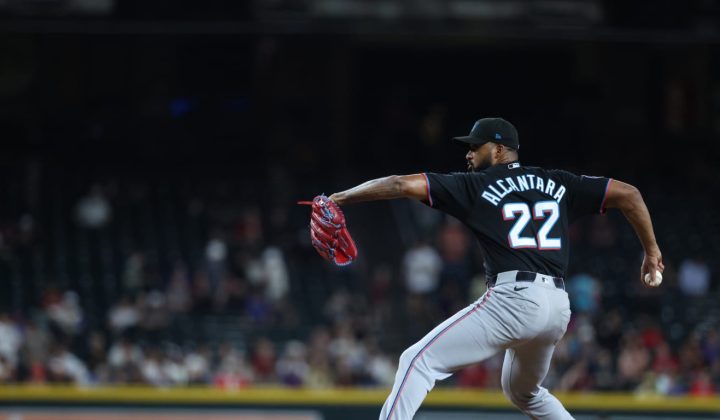
Sandy Alcantara Records First Career Save in Marlins Bullpen Appearance
Miami ace Sandy Alcantara earned his first career save Wednesday night, working a scoreless ninth inning in a 4-3 win over the…
Read storyRelated wiki

MLB Wild Card Rules Explained: Format, Tiebreakers & Postseason Impact
How the MLB wild card works in the current postseason format, including tiebreaker procedures, the 3-game series structure, and what it means…
Read storyPlayoff race
Reference page for playoff race language, qualification lines, tiebreakers and games-in-hand context.
Read story