The Evolving Landscape of Sports Media: Navigating Bias and Influence
This column explores how media bias and evolving consumer intelligence shape sports narratives, impacting how fans perceive athletes, teams, and events.

The modern sports fan is inundated with information, a deluge curated by a complex ecosystem of media outlets, data providers, and social platforms. Beyond the scores and statistics, a critical factor influencing how we consume and understand sports is the pervasive role of media bias and the growing impact of consumer intelligence. This analysis delves into how these forces shape narratives, influence perceptions, and ultimately affect what we watch and how we interpret it.
Why It Matters
The way sports are reported and analyzed directly impacts fan engagement, team allegiances, and even the perception of athlete performance. Understanding the underlying currents of media bias allows fans to approach sports narratives with a more critical eye, discerning objective reporting from subjective framing. Furthermore, the increasing reliance on sophisticated consumer intelligence by media organizations and sports entities means that content is often tailored to specific audience segments, raising questions about authenticity and the potential for manipulation. As athletes themselves become brands, their personas are meticulously crafted, mirroring the strategies seen in political marketing. This individualization, while creating star power, can also overshadow team dynamics and broader sporting issues. Examining these dynamics is crucial for a well-informed sports viewership.
What Sources Show
The academic landscape acknowledges the multifaceted nature of sports journalism. Research from Frontiers in Sociology highlights how media discourse often centers on athletes as central figures, shaping their narratives through performances, personal stories, and opinions. This individualization, as noted in the article “Sports press: an explanatory and identity scheme,” can lead to the creation of “star images” that foster emotional connections with the public, akin to how politicians are marketed. Sources like Media Bias/Fact Check provide tools to assess the inherent biases of various news outlets, enabling readers to identify potential leanings in sports reporting. This is vital when consuming news from outlets that may have a particular agenda or slant.
The role of data in shaping sports narratives is also increasingly significant. NIQ (NielsenIQ), a global leader in consumer intelligence, emphasizes its ability to provide a “Full View™ of Consumer Intelligence,” understanding how people choose and consume. While NIQ’s primary focus is on consumer goods, its methodologies and data-driven insights are transferable to understanding fan behavior and preferences within the sports landscape. This suggests a future where sports content is not only reported but also strategically crafted based on deep insights into audience engagement patterns.
Moreover, academic papers like Boyle and Rowe’s (2023) “Sport, journalism and social reproduction” delve into the structural aspects of sports media, hinting at how established narratives are perpetuated. This implies that beyond individual reporting, there are systemic forces at play that influence what stories are told and how they are framed.
Competing Readings
One reading of the current sports media environment is that it is becoming increasingly fragmented and polarized. Different outlets cater to distinct ideological or fan bases, leading to echo chambers where opinions are reinforced rather than challenged. The rise of social media further exacerbates this, allowing for rapid dissemination of unverified information and highly subjective takes. In this view, Media Bias/Fact Check becomes an indispensable tool for navigating a landscape where objective truth can be obscured by partisan reporting.
Another perspective emphasizes the growing sophistication of data analytics in sports media. NIQ’s focus on understanding consumer behavior suggests that content is becoming more personalized and targeted. This can lead to a richer, more engaging experience for fans, as they receive content tailored to their specific interests. However, it also raises concerns about the potential for manipulation and the creation of filter bubbles that limit exposure to diverse viewpoints. The academic work on individualization of athletes further supports this, suggesting a deliberate construction of personas for maximum impact.
A third reading focuses on the underlying “social reproduction” within sports journalism. Boyle and Rowe’s work implies that certain established norms, power structures, and narratives within sports media are maintained over time, potentially limiting innovation or the inclusion of alternative perspectives. This suggests a more structural challenge to achieving truly unbiased and comprehensive sports coverage.
What Could Change Next
The future of sports media will likely see an even deeper integration of data analytics and artificial intelligence. We can expect more personalized content delivery, with algorithms determining what stories and analyses individual fans see. This could lead to greater engagement but also a greater risk of algorithmic bias. The role of traditional sports media outlets may shift further towards providing in-depth analysis and context that goes beyond readily available data, becoming curators of information and providers of expert interpretation.
Furthermore, the industry may see increased efforts to combat misinformation and promote media literacy among sports fans. Initiatives like those implicitly suggested by Media Bias/Fact Check could become more mainstream, empowering fans to critically evaluate the sources they consume. The academic research into the mechanics of sports journalism could also inform new journalistic practices aimed at greater transparency and fairness.
What Remains Unclear
Despite the advancements in understanding media bias and consumer intelligence, several aspects remain unclear. The long-term impact of hyper-personalized content on fan loyalty and the broader sports ecosystem is yet to be fully determined. Will fans become more entrenched in their views, or will exposure to diverse content, even if algorithmically curated, lead to a more nuanced understanding?
The ethical implications of using sophisticated consumer intelligence to shape sports narratives also require ongoing scrutiny. Where is the line between providing relevant content and manipulating fan perceptions for commercial gain? Finally, the extent to which academic research on sports journalism translates into tangible improvements in reporting practices across the industry remains an open question.
| Aspect of Sports Media | Key Considerations | Potential Impact |
|---|---|---|
| Media Bias | Identifying partisan or agenda-driven reporting | Influences fan perception of fairness and accuracy |
| Consumer Intelligence | Data-driven tailoring of content to fan preferences | Enhances engagement but risks filter bubbles |
| Athlete Individualization | Crafting star personas and narratives | Creates icons but can overshadow team dynamics |
| Social Reproduction | Perpetuation of established journalistic norms | May limit diverse perspectives and innovation |
Related news
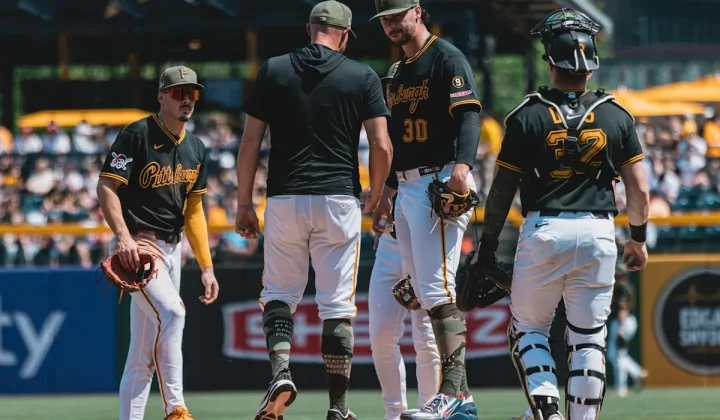
Pirates Eliminated From Playoff Contention Despite Offensive Surge in 2026
The Pittsburgh Pirates have been mathematically eliminated from the MLB postseason for the 11th consecutive year. Despite a vastly improved offense that…
Read story
Jamie Carragher’s High Praise Puts Daniel Munoz in Rare Premier League Company
The Nottingham Forest and Colombia defender received a remarkable endorsement from the Sky Sports pundit after his performance against Aston Villa, sparking…
Read story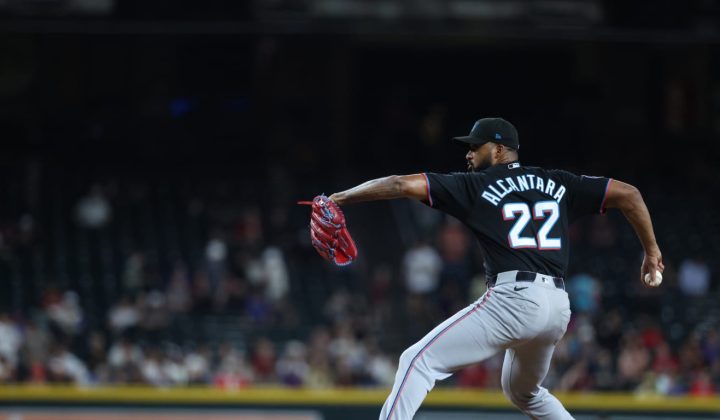
Sandy Alcantara Records First Career Save in Marlins Bullpen Appearance
Miami ace Sandy Alcantara earned his first career save Wednesday night, working a scoreless ninth inning in a 4-3 win over the…
Read story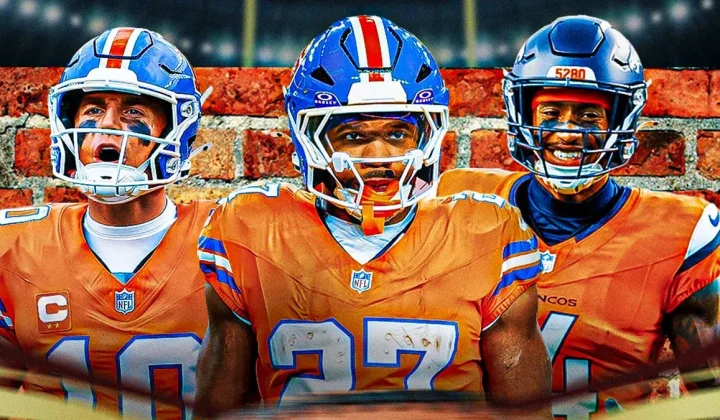
Broncos Defense Faces Another Test as Jaguars Visit Denver in Week 2
After allowing 220 rushing yards and 31 points to Kansas City in Week 1, Denver’s defense now must contain Trevor Lawrence and…
Read storyRelated wiki

MLB Wild Card Rules Explained: Format, Tiebreakers & Postseason Impact
How the MLB wild card works in the current postseason format, including tiebreaker procedures, the 3-game series structure, and what it means…
Read storyPlayoff race
Reference page for playoff race language, qualification lines, tiebreakers and games-in-hand context.
Read story