Argentina’s ‘Industrial Approach’ to Play in 2026 World Cup Final Against Spain
The 2026 FIFA World Cup final between Spain and Argentina was marred by consistent aggressive play and unsporting conduct from the Argentine side, leading to a "dirty" match, according to The Athletic.
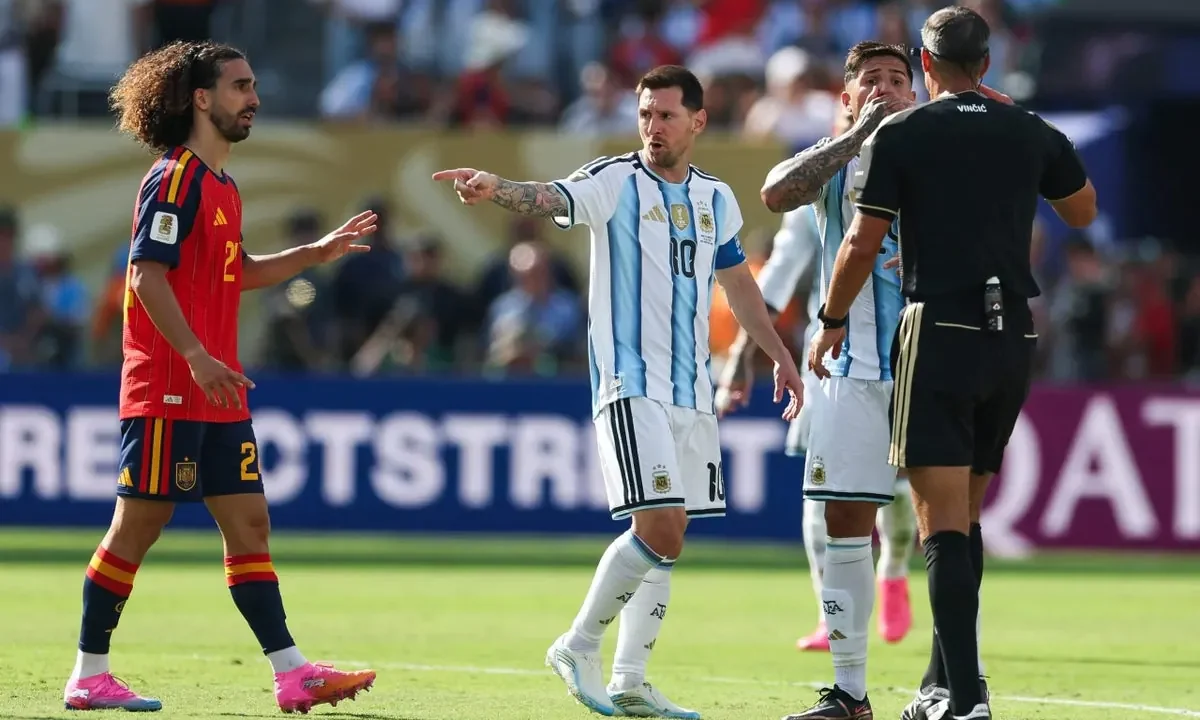
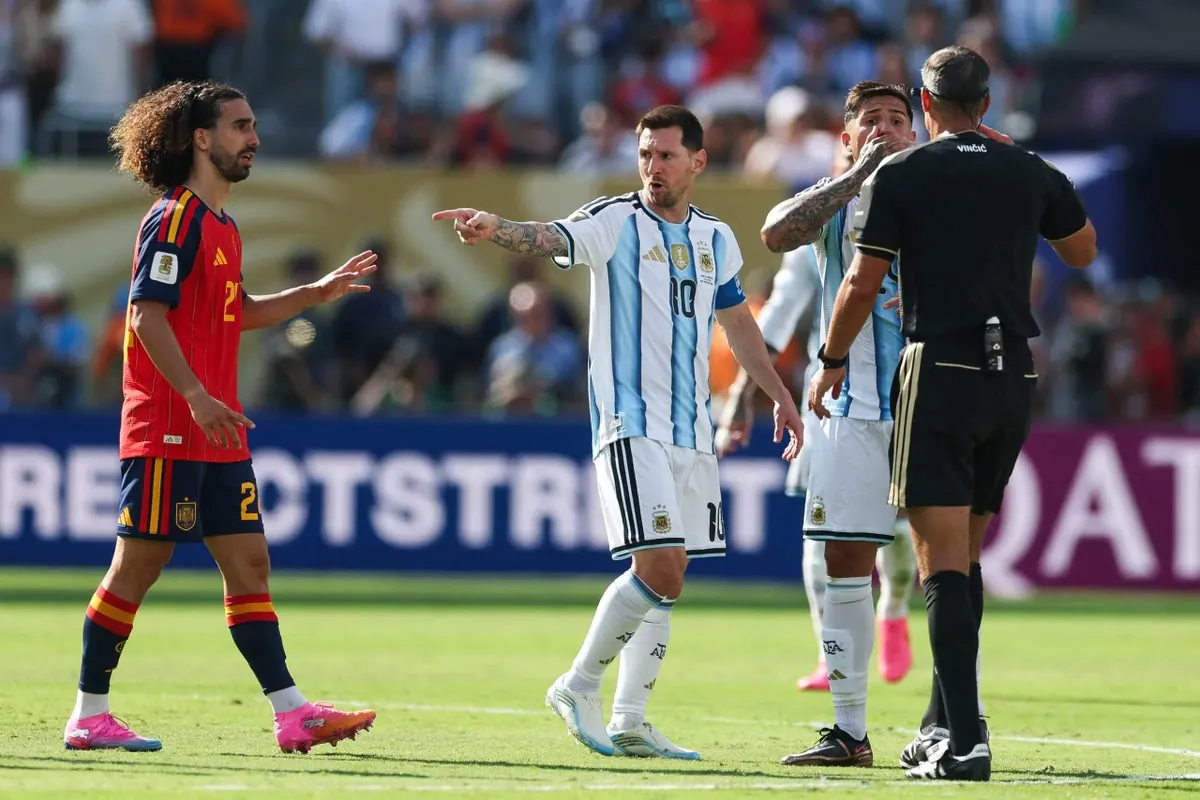
The 2026 FIFA World Cup final between Spain and Argentina was characterized by an aggressive and uncompromising approach from the Argentine team, leading to what The Athletic described as the “dirtiest final since 2010.” The match, which Spain ultimately won, was punctuated by numerous fouls, theatrical reactions, and unsporting behavior, primarily from Argentina.
Key incidents highlight Argentina’s tactics throughout the game, which saw them accumulate multiple bookings and a red card. The Athletic’s analysis pointed to a consistent pattern of play designed to disrupt Spain’s attacking flow, often pushing the boundaries of fair play.
Key facts
| Match | 2026 FIFA World Cup Final |
|---|---|
| Teams | Spain vs. Argentina |
| Key Incidents | Multiple Argentine fouls, dissent, red card |
| Outcome | Spain victory |
Early Aggression and Missed Calls
The contentious play began early in the match, with Alexis Mac Allister committing a rugged challenge on Dani Olmo in the 14th minute. Despite Olmo’s dramatic fall, Mac Allister avoided a booking. Shortly after, Nicolas Tagliafico engaged in a clumsy attempt to bring down Lamine Yamal, an action that The Athletic’s refereeing expert Graham Scott suggested could have warranted a yellow card for persistent infringement, even though it was his first foul. The referee, Slavko Vincic, maintained a patient approach, which some observers felt emboldened Argentina’s aggressive style.
First Bookings and Escalation
The first yellow card for Argentina came in the 41st minute when Lisandro Martinez committed a two-footed foul on Mikel Oyarzabal, preventing a counter-attack. The second half saw Leandro Paredes, a halftime substitute, quickly earn a yellow card for elbowing Rodri, sparking a melee. This incident, according to The Athletic, exemplified Argentina’s intent to maintain a physical and disruptive presence on the field. While Spain also had a foul from Aymeric Laporte on Lionel Messi, the overall pattern of aggression was attributed to Argentina.
Red Card and Post-Match Conduct
Enzo Fernandez received a booking for dissent in the 82nd minute and was subsequently sent off eleven minutes later for a dangerous, studs-down challenge on Pau Cubarsi. This marked Fernandez as the third Argentine player to be sent off in a World Cup final. The article highlighted Lionel Messi’s reaction to Fernandez’s red card, where Messi was seen attempting to persuade the referee to send off Marc Cucurella for covering his mouth during a discussion, indicating a desire to level the playing field numerically.
The unsporting conduct continued into extra time and after the final whistle. Facundo Medina deliberately delayed a throw-in, and a scuffle broke out after the match, where Leandro Paredes pushed Eric Garcia in the throat. The Athletic noted that Argentina’s team chose to turn their backs on Spain during the trophy presentation, rather than offering congratulations, underscoring their consistent “skullduggerous” approach throughout the tournament’s climax.
This type of “industrial approach” to football, while sometimes effective, often draws criticism for undermining the spirit of the game. For NationalSportsWeb readers, understanding these tactics provides context to high-stakes international matches and the various strategies employed by teams at the pinnacle of global soccer.
Source: The Athletic, https://www.nytimes.com/athletic/7457239/2026/07/20/argentina-world-cup-final-dirty/
Source
The Athletic Original publication: 2026-07-20T05:22:56+00:00
Related news
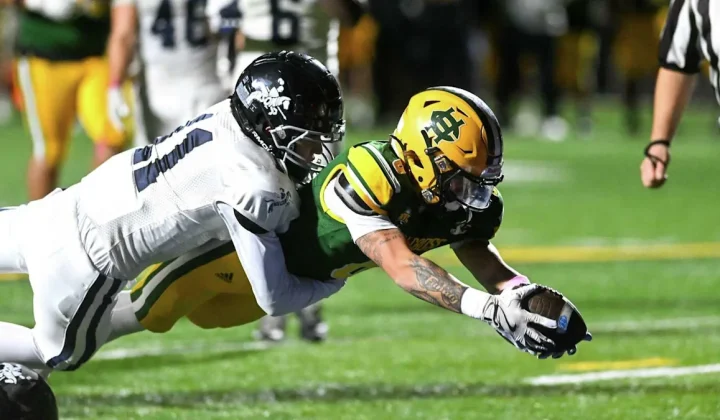
Holy Cross football ends 16-year drought against Ansonia behind Nate Craft’s four touchdowns
The Crusaders overcame a third-quarter deficit to beat Ansonia 48-37, snapping a losing streak that dated back to 2009 and improving to…
Read story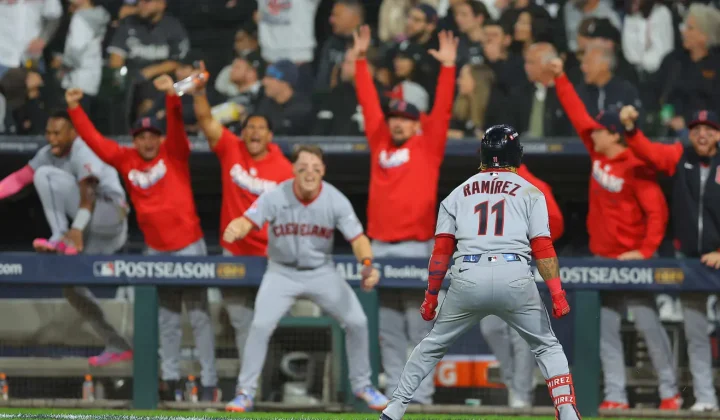
Guardians Force Winner-Take-All ALDS Game 5 With Six-Run Sixth Inning in Chicago
Cleveland scored six runs in the sixth inning to beat the White Sox 9-5 in Game 4 of the ALDS, setting up…
Read story
Dodgers Take Commanding 3-1 NLDS Lead Behind Glasnow’s Gritty Outing in Atlanta
Tyler Glasnow battled through command issues but limited Atlanta to one run over 4 2/3 innings as Los Angeles took a 3-1…
Read story
Braves Face Elimination as Dodgers Seek NLCS Berth in Game 4 NLDS Showdown
The Atlanta Braves host the Los Angeles Dodgers in a pivotal Game 4 of the National League Division Series on Wednesday night.…
Read storyRelated wiki

MLB Wild Card Rules Explained: Format, Tiebreakers & Postseason Impact
How the MLB wild card works in the current postseason format, including tiebreaker procedures, the 3-game series structure, and what it means…
Read storyPlayoff race
Reference page for playoff race language, qualification lines, tiebreakers and games-in-hand context.
Read story