Aston Villa Adopts Real Madrid’s Academy Strategy to Navigate Financial Regulations
Aston Villa is exploring a creative approach to player sales, mirroring Real Madrid's success with buy-back clauses and matching rights to comply with Profit and Sustainability rules.
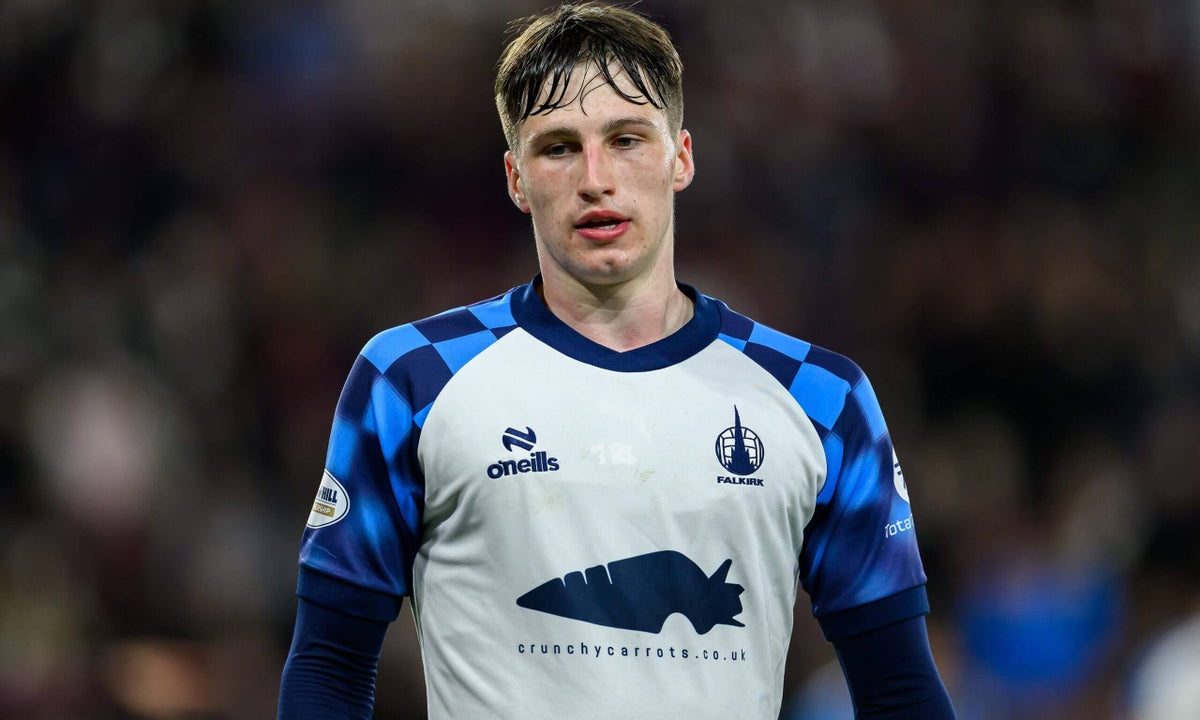
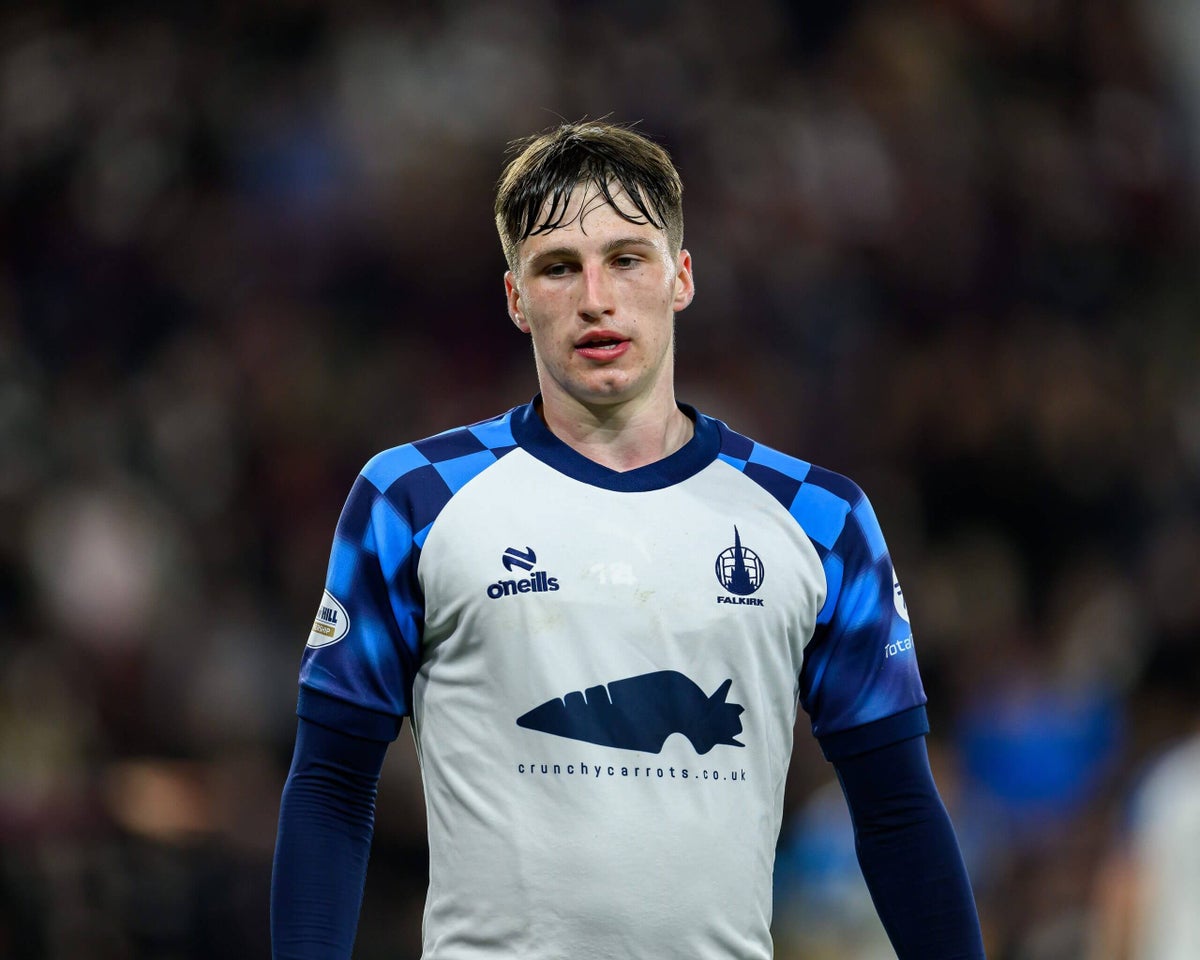
Aston Villa is reportedly adopting a creative player sales strategy, inspired by Real Madrid’s successful model, to navigate the complexities of Profit and Sustainability (PSR) rules. The club is increasingly open to selling academy talents, but with specific mechanisms in place to retain future control and potential profit.
This shift involves moving away from traditional loan deals for many young players. Instead, Villa aims to generate “bookable profit” by selling academy graduates, while simultaneously securing options for their future return or resale. This approach offers a flexible way to manage finances and comply with league regulations.
Matching Rights and Buy-Back Clauses
A key element of this strategy is the implementation of matching rights and buy-back clauses. In the sale of 22-year-old defender Sil Swinkels to Sheffield Wednesday, Villa included matching rights. This means Villa will be informed of any future offers for Swinkels and will have the opportunity to match them. Similar clauses are being considered for other player departures.
The effectiveness of this approach was demonstrated in the transfer of Jaden Philogene. Villa sold the winger to Hull City for £5 million in 2023, incorporating a buy-back clause and matching rights. Philogene’s impressive form for Hull led to interest from newly promoted Ipswich Town, who made an £18 million bid. Villa exercised their matching rights, eventually reacquiring Philogene for £12.6 million, a figure discounted due to the initial sell-on clause. Later, Villa sold Philogene to Ipswich for £20 million plus add-ons, showcasing their ability to control a player’s future and generate significant profit.
Real Madrid’s Influence
The inspiration for Villa’s strategy appears to stem from Real Madrid’s handling of Nico Paz. Paz, an academy product, was sold to Como in Italy with a buy-back clause active for three seasons. Real Madrid opted to let Paz develop at Como, demonstrating a willingness to allow players to gain experience elsewhere while maintaining an option for their return. Aston Villa is now applying a similar philosophy to its own young prospects.
Academy Players Targeted for Sale
Villa is actively looking to sell several young players who might have previously been sent out on loan. This includes players like Louie Barry, Lewis Dobbin, and potentially Samuel Iling-Junior, with Championship clubs reportedly showing interest in Dobbin. For players not deemed ready for permanent departure, loans to sister clubs like FC Annecy and Real Union are being arranged.
However, not all academy talents are on the market. Midfielder George Hemmings and winger Bradley Burrowes are reportedly two players Villa is keen to keep permanently. Other highly-rated prospects such as Ben Broggio, Josh Feeney, Oliwier Zych, and Jamaldeen Jimoh-Aloba could still depart, with the hope they might impress manager Unai Emery during pre-season.
Financial Challenges with Academy Contracts
A significant hurdle in permanently selling some academy players is their current salary levels. For relatively unproven players, their contracts can be too high for many EFL clubs to match, complicating permanent transfers. Sporting director Roberto Olabe is reportedly working to reduce salary outlays for young players to facilitate smoother exits.
Even for players like Rory Wilson, who is the highest earner in the academy, a permanent move is difficult, making a loan move more probable. This necessitates fluid negotiations and payment plans, as seen with Louie Barry’s potential move to Sheffield Wednesday involving a low upfront fee.
Navigating Financial Fair Play
Aston Villa’s proactive approach to player sales and strategic contract clauses highlights their commitment to staying within the boundaries of financial regulations. By creatively managing its academy talent, the club aims to ensure long-term financial stability while continuing to compete at a high level.
Key facts
| Aspect | Detail |
|—|—|
| Strategy Inspiration | Real Madrid’s handling of academy players with buy-back and matching rights. |
| Primary Goal | Generate bookable profit to comply with Profit and Sustainability (PSR) rules. |
| Key Mechanisms | Buy-back clauses and matching rights in player sales. |
| Notable Examples | Jaden Philogene, Sil Swinkels. |
This development is significant for NationalSportsWeb readers as it sheds light on the increasingly sophisticated financial strategies employed by Premier League clubs. Understanding how clubs like Aston Villa are adapting to regulatory pressures provides valuable insight into the transfer market and club management.
Source: How Aston Villa are looking to follow Real Madrid in the way they handle academy players – The Athletic (https://www.nytimes.com/athletic/7419293/2026/07/09/aston-villa-academy-transfers/)
Datos clave
| Punto | Detalle |
|---|---|
| Fuente | The Athletic |
| Fecha | 2026-07-09T04:20:56+00:00 |
| Tema | How Aston Villa are looking to follow Real Madrid in the way they handle academy players |
Source
The Athletic Original publication: 2026-07-09T04:20:56+00:00
Related news

For Former Rays Across MLB, Watching Tampa Bay Make It to the World Series Means a Little Extra
From Blake Butera to a sprawling network of ex-Tampa Bay executives and coaches, the Rays’ run to the 2026 World Series stirs…
Read story
World Series 2026: Brewers and Rays bring elite speed to Fall Classic
Milwaukee and Tampa Bay ranked among MLB’s top five in stolen bases during the regular season and have continued running in October.…
Read story
Intentional Talk Canceled: What MLB Network’s Programming Cuts Mean for the Future of the Channel
After 16 seasons, MLB Network has canceled Intentional Talk, its flagship talk show. The move is the latest in a series of…
Read story
Rays Closer Bryan Baker Reflects on ‘Blur’ of Final Strike That Sent Tampa Bay to World Series
Tampa Bay closer Bryan Baker described the final strike to clinch the American League pennant as a blur, telling Sportsnet’s Arden Zwelling…
Read storyRelated wiki

MLB Wild Card Rules Explained: Format, Tiebreakers & Postseason Impact
How the MLB wild card works in the current postseason format, including tiebreaker procedures, the 3-game series structure, and what it means…
Read storyPlayoff race
Reference page for playoff race language, qualification lines, tiebreakers and games-in-hand context.
Read story