Coaching Changes Are Not Quick Fixes: What Fans Should Look For After a Midseason Move
Midseason coaching changes rarely provide an immediate panacea. This analysis delves into the nuances of what truly shifts—and what remains stubbornly constant—after a coach is fired or replaced in professional sports, examining tactical adjustments, player rotations, team morale, front-office dynamics, injury impacts,

In the relentless world of professional sports, a midseason coaching change often arrives with the immediate expectation of a “quick fix.” Fans, media, and even ownership often hope for a dramatic turnaround in fortunes, a sudden jolt that rights a floundering ship. Yet, the reality is far more complex. While a new voice can occasionally spark a temporary surge, the underlying factors that dictate a team’s performance run deeper than who stands on the sideline. Understanding what truly changes—and what frequently does not—is crucial for a nuanced appreciation of these pivotal moments.
Tactical Adjustments: More Than Just a Playbook
One of the most tangible initial changes after a coaching replacement is the potential for tactical adjustments. A new coach might favor a different offensive scheme, a more aggressive defensive philosophy, or a revamped special teams approach. For instance, in the NFL, a switch from a run-heavy coordinator to a pass-first strategist can fundamentally alter play-calling tendencies. In soccer, a new manager might shift from a possession-based 4-3-3 formation to a counter-attacking 3-5-2, demanding different roles from players.
However, the speed and effectiveness of these changes are limited. Players, especially veterans, are often deeply ingrained in previous systems. Learning new terminology, responsibilities, and movements takes time and practice, which is scarce during a demanding season. Furthermore, the existing roster’s composition can constrain tactical flexibility. A team built for a specific style might struggle to adapt to a radically different one without significant personnel changes, which are difficult to execute midseason.
Player Rotations and Usage: New Opportunities, Old Habits
A new coach frequently brings a fresh perspective on player rotations and usage. Bench players might suddenly find themselves in starting roles, while established starters could see their minutes reduced or their positions altered. This can inject new energy and opportunities, especially for younger players who felt overlooked. In the NBA, a coach might choose to play a faster pace, favoring guards and wings over traditional bigs, or emphasize a deeper bench rotation to manage fatigue.
Yet, this too has its limits. The talent level of the roster remains constant. A new coach can’t magically transform a role player into an All-Star. While a change in usage might unlock untapped potential in some cases, it’s more common to see players revert to their established performance levels once the initial “new coach bounce” wears off. Coaches must also balance giving new opportunities with maintaining team cohesion and not alienating key veterans.
Team Morale and Chemistry: A Double-Edged Sword
Perhaps the most immediate, albeit often temporary, impact of a coaching change is on team morale. A struggling team can feel stifled by a coach they’ve lost faith in, and a new face can bring a sense of relief and renewed hope. Players might feel a clean slate, an opportunity to impress and redefine their roles. This psychological reset can manifest in a temporary surge in effort, communication, and overall team chemistry.
However, this “honeymoon period” is often fleeting. If the team continues to lose, or if the new coach’s methods clash with the locker room’s expectations, morale can quickly dip again, sometimes even lower than before. A coaching change can also create fractures, especially if beloved assistant coaches are dismissed or if certain players feel unfairly targeted or marginalized by the new regime. True, lasting chemistry is built over time through shared experiences, wins, and losses, not solely by a new voice.
Front-Office Pressure: The Burden of Expectations
A midseason coaching change is almost always a direct consequence of intense front-office pressure. Ownership and general management are looking for results, and the coach is often the most expendable piece when those results aren’t materializing. This pressure doesn’t dissipate with the new hire; if anything, it intensifies. The new coach is immediately under the microscope, expected to demonstrate progress rapidly.
This can lead to short-term decision-making, where the new coach might prioritize immediate wins over long-term development or strategic rebuilding. They might feel compelled to make drastic changes that aren’t sustainable or might not align with the team’s long-term vision, simply to show tangible improvement. The front office’s continued involvement, whether through player acquisition or strategic directives, also remains a constant, often overriding any new coaching philosophy if it doesn’t align with their vision.
Injuries and Schedule Context: Uncontrollable Variables
Two critical factors that a new coach has virtually no control over are the team’s injury situation and the remaining schedule. A team riddled with injuries to key players will struggle regardless of who is calling the shots. While a new coach might encourage a different training or recovery regimen, they cannot magically heal a torn ACL or a sprained ankle. The absence of star players fundamentally limits a team’s ceiling.
Similarly, the schedule context plays a massive role. A team that fires a coach after a brutal stretch against top-tier opponents might see an artificial “improvement” under the new coach simply because their remaining schedule is easier. Conversely, a new coach inheriting a gauntlet of tough matchups will have a much harder time demonstrating immediate progress, even if their methods are sound. It’s crucial for observers to consider the strength of opponent and home/away balance when evaluating any post-change performance.
Sample Size: The Illusion of Change
One of the biggest traps in evaluating midseason coaching changes is the small sample size. Even if a team goes on a 4-1 run after a new coach takes over, it’s a minimal number of games that doesn’t necessarily indicate a sustainable trend. Sports are inherently streaky, and teams can experience fluctuations in performance for many reasons unrelated to coaching.
A “dead cat bounce” where a team temporarily improves before regressing to its mean is a common phenomenon. True statistical significance and a clear understanding of a coach’s impact require a much larger sample size, usually spanning at least half a season or more. Drawing definitive conclusions from the first 5-10 games under a new regime is often premature and misleading.
What to Look For: Beyond the Win-Loss Record
When assessing the impact of a midseason coaching change, fans should look beyond the immediate win-loss record and consider these deeper indicators:
| Factor | Initial Signs of Change | Long-Term Sustainability Concerns |
|---|---|---|
| Tactical Adjustments | New offensive/defensive sets, different formations | Player adaptation, roster fit, practice time constraints |
| Player Rotations | Different starting lineups, altered minute distribution | Talent ceiling, veteran buy-in, prolonged player development |
| Team Morale | Increased energy, better communication, reduced visible frustration | “Honeymoon period” fading, new internal conflicts |
| Front-Office Pressure | Emphasis on immediate results, specific player usage | Alignment with long-term vision, sustainable strategy |
| Injury Status | No direct change; continued impact of existing injuries | No direct change; continued impact of existing injuries |
| Schedule Context | Easier upcoming schedule can flatter initial results | Regression to mean once schedule strength normalizes |
| Sample Size | Short-term streaks, small number of games | Requires significant number of games for true evaluation |
Ultimately, a coaching change is rarely a magic bullet. While it can provide a temporary psychological lift or introduce some beneficial tactical tweaks, the fundamental challenges—roster talent, injury woes, schedule difficulty, and the sheer randomness of sports—often remain. For fans, patience and a critical eye for the underlying dynamics are essential to truly understand the impact, or lack thereof, of a midseason coaching move. It’s a reset, not always a revolution.
Related news
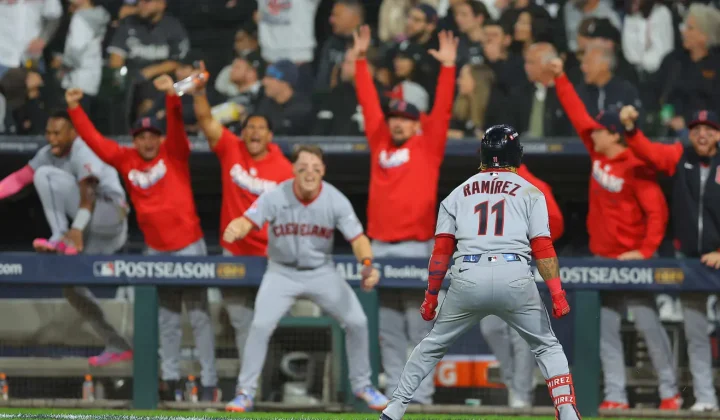
Guardians Force Winner-Take-All ALDS Game 5 With Six-Run Sixth Inning in Chicago
Cleveland scored six runs in the sixth inning to beat the White Sox 9-5 in Game 4 of the ALDS, setting up…
Read story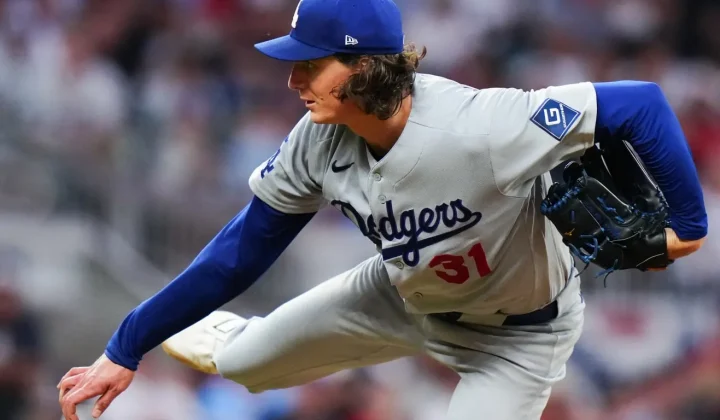
Dodgers Take Commanding 3-1 NLDS Lead Behind Glasnow’s Gritty Outing in Atlanta
Tyler Glasnow battled through command issues but limited Atlanta to one run over 4 2/3 innings as Los Angeles took a 3-1…
Read story
Braves Face Elimination as Dodgers Seek NLCS Berth in Game 4 NLDS Showdown
The Atlanta Braves host the Los Angeles Dodgers in a pivotal Game 4 of the National League Division Series on Wednesday night.…
Read story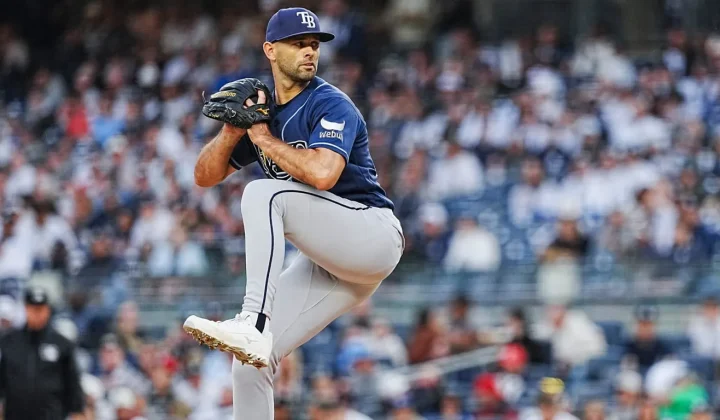
Nick Martinez Returns to Yankee Stadium as Rays Seek ALDS Sweep in Game 3
Tampa Bay right-hander Nick Martinez, who once got ejected from Yankee Stadium as a college fan, starts ALDS Game 3 against New…
Read storyRelated wiki

MLB Wild Card Rules Explained: Format, Tiebreakers & Postseason Impact
How the MLB wild card works in the current postseason format, including tiebreaker procedures, the 3-game series structure, and what it means…
Read storyPlayoff race
Reference page for playoff race language, qualification lines, tiebreakers and games-in-hand context.
Read story