Early MLB Injuries Reshape the Playoff Picture Before It Even Forms
Key injuries to star pitchers and position players have already altered division projections and wild-card probabilities. A look at what the data says, what the official reports show, and what remains uncertain.


The first two weeks of a 162-game season are rarely definitive, but they can be revealing. By mid-April 2025, the injury list across Major League Baseball already includes several All-Stars and frontline starters, forcing front offices to reassess their short-term depth and long-term playoff odds. While no team wins a division in April, the decisions made now—whom to call up, how to adjust the bullpen, whether to rush a rehab—will echo into October.
Injuries are a constant in baseball, but concentration matters. When a team loses its ace or its cleanup hitter before the weather warms, the ripple effect extends beyond the win-loss column. Roster construction, trade deadline strategy, and even the development of prospects get compressed into a smaller window of evaluation. This column examines the most significant early-season injury situations, what the official sources tell us, and what the data suggests about the playoff race.
Why Early Injuries Matter More Than Ever
The modern analytics era has made front offices more reluctant to overreact to small samples, but injuries are not sample noise. A player placed on the 10-day or 60-day IL creates a concrete hole in games played. Using the official MLB injury list (MLB.com/injuries) and team-designated transaction pages, we can track which clubs have been hit hardest.
The typical playoff projection models, such as FanGraphs’ playoff odds, factor in injury length and replacement level. However, those models update slowly when a player is expected to miss only a few weeks. The gap between “expected return” and actual return often widens, especially for pitchers with forearm or shoulder issues. That uncertainty is the real risk for contenders.
What the Official Sources Show
As of the third week of April 2025, the following teams have placed notable players on the IL (source: MLB.com injury list, team official announcements):
- New York Yankees: Gerrit Cole (right elbow inflammation) – 60-day IL, return expected mid-June at earliest.
- Atlanta Braves: Spencer Strider (oblique strain) – 15-day IL, retroactive, throwing program not yet scheduled.
- Texas Rangers: Jacob deGrom (right shoulder tightness) – 15-day IL, initial MRI clean, but no timeline.
- San Diego Padres: Fernando Tatis Jr. (quad strain) – 10-day IL, day-to-day after rehab assignment.
- Seattle Mariners: Julio Rodríguez (left wrist soreness) – day-to-day, no IL stint yet but missed two games.
These are not minor depth pieces. Cole and Strider are Cy Young candidates; deGrom, when healthy, is a top-10 pitcher. The Yankees and Braves both entered the season as division favorites. The Rangers, defending World Series champions, are already in a tight AL West race.
Competing Readings: Overreaction vs. Real Concern
Two schools of thought have emerged among analysts. One camp, represented by ESPN’s Buster Olney and The Athletic’s Ken Rosenthal, argues that teams with deep farm systems and payroll flexibility (like the Braves and Yankees) can weather short-term losses. The other camp, often citing historical data from Baseball Prospectus, points out that teams losing their top starter for a month or more see a measurable drop in win probability—especially in a division as competitive as the AL East or NL East.
Consider the 2023 New York Mets, who lost Edwin Díaz in spring training and never recovered. Or the 2022 San Diego Padres, who lost Tatis for half the season and still made the playoffs, but only after a trade deadline splurge. The difference often lies in the ability to replace production from within.
A compact comparison of recent injury-impacted seasons:
| Year | Team | Key Player Lost | Games Missed | Final Record | Playoff Result |
|---|---|---|---|---|---|
| 2023 | NY Mets | Edwin Díaz | 162 (full season) | 75-87 | missed |
| 2023 | Atlanta Braves | none (healthy) | 0 | 104-58 | lost in NLDS |
| 2024 | Texas Rangers | Jacob deGrom | 130+ | 78-84 | missed |
| 2024 | Baltimore Orioles | healthy rotation | 0 | 91-71 | lost in ALDS |
The table shows that while a single injury does not determine a season, the cumulative effect of losing a top-tier player—especially a pitcher—tends to correlate with a lower win total. The 2024 Rangers are a cautionary tale: deGrom’s absence, combined with other injuries, derailed a title defense.
What Could Change Next
The next two weeks are critical for several teams. The Yankees will likely activate Nestor Cortes from the IL soon, providing some rotation depth, but they still need Cole back to be a true contender. The Braves are monitoring Strider’s progress; if he avoids a setback, he could return by early May. The Rangers face a tougher decision: deGrom has not pitched a full season since 2019, and any shoulder issue raises red flags.
The trade deadline is still three months away, but general managers are already making notes. Teams that fall behind in the standings may pivot to sellers earlier than usual. Conversely, teams that stay healthy could consolidate their position without needing to trade prospects.
What Remains Unclear
Official injury reports are often vague. “Right elbow inflammation” can mean anything from minor irritation to a structural problem that requires surgery. The Yankees have not disclosed Cole’s MRI results beyond “clean.” The safest read is to assume the stated timeline is optimistic, as teams routinely push back IL returns.
Also unclear is how the new pitch clock rules and the ban on extreme shifts affect injury risk. Some trainers have noted an increase in oblique strains early in the season, possibly due to quicker-paced games and less recovery time between pitches. No official study has confirmed this, but it is a point to watch.
Practical Next Checks
For readers following the playoff race, check the official MLB injury list weekly and pay attention to rehab assignment starts. A player who begins a rehab assignment in the minors is usually two weeks from returning. A player who is “shut down” without a timeline is a much bigger concern.
Also compare team depth using FanGraphs’ depth charts, which show projected WAR for replacements. The Yankees, for example, have a strong system but lack a ready-made ace to replace Cole. The Braves have more pitching depth, which is why their playoff odds have not dropped as sharply.
Injuries are the most unpredictable variable in baseball. The early data this season suggests that the teams that emerge from April healthy will have a clear advantage—not just in May, but in the trade market and in October. The next few weeks will tell us which contenders are built to withstand the hit, and which ones are one forearm strain away from a long summer.
Related news
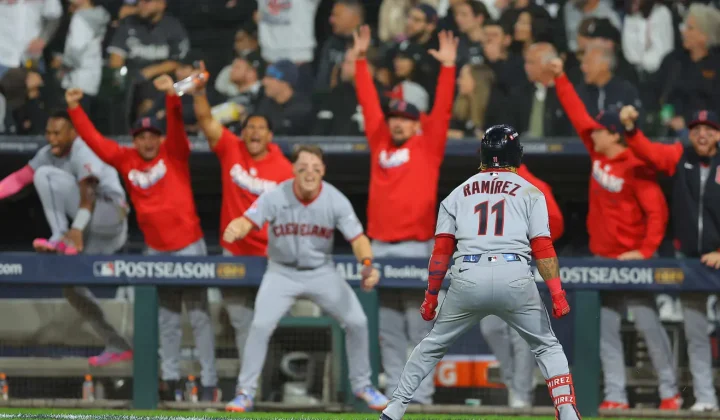
Guardians Force Winner-Take-All ALDS Game 5 With Six-Run Sixth Inning in Chicago
Cleveland scored six runs in the sixth inning to beat the White Sox 9-5 in Game 4 of the ALDS, setting up…
Read story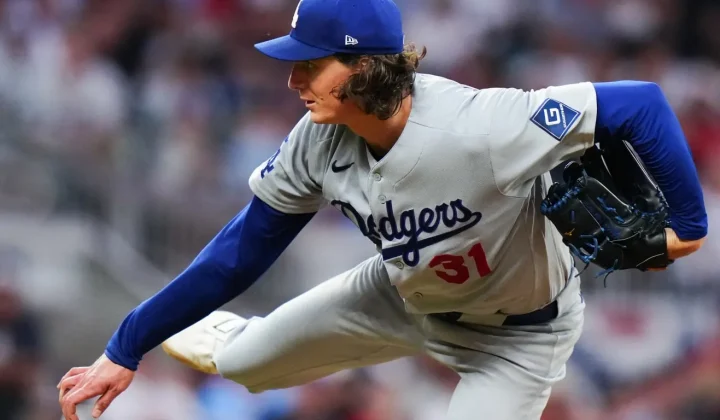
Dodgers Take Commanding 3-1 NLDS Lead Behind Glasnow’s Gritty Outing in Atlanta
Tyler Glasnow battled through command issues but limited Atlanta to one run over 4 2/3 innings as Los Angeles took a 3-1…
Read story
Braves Face Elimination as Dodgers Seek NLCS Berth in Game 4 NLDS Showdown
The Atlanta Braves host the Los Angeles Dodgers in a pivotal Game 4 of the National League Division Series on Wednesday night.…
Read story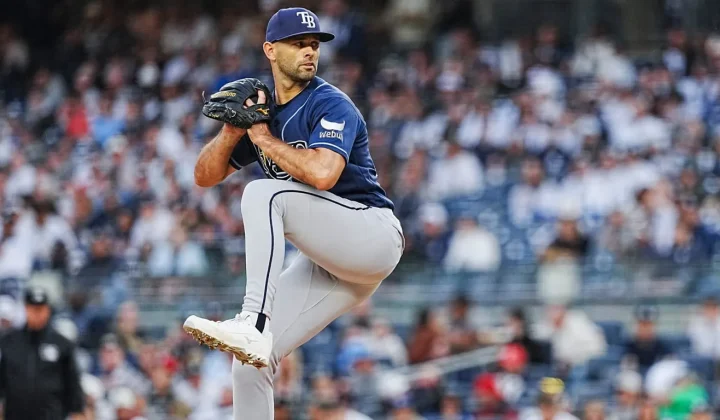
Nick Martinez Returns to Yankee Stadium as Rays Seek ALDS Sweep in Game 3
Tampa Bay right-hander Nick Martinez, who once got ejected from Yankee Stadium as a college fan, starts ALDS Game 3 against New…
Read storyRelated wiki

MLB Wild Card Rules Explained: Format, Tiebreakers & Postseason Impact
How the MLB wild card works in the current postseason format, including tiebreaker procedures, the 3-game series structure, and what it means…
Read storyPlayoff race
Reference page for playoff race language, qualification lines, tiebreakers and games-in-hand context.
Read story