MLB Playoff Race: Why Tiebreakers, Schedule Shape and Injuries Matter Before September
The MLB playoff race is not only about the standings column. Tiebreakers, rotation health and late-season schedule pockets can change what each contender is really chasing.


The MLB playoff race is often presented as a simple standings chase, but the more useful way to read it is as a layered problem: who is in position, who owns the right tiebreakers, who has enough pitching left, and who is about to run into a schedule pocket that can change the table quickly.
That matters because the current postseason structure leaves little room for lazy interpretation. A club sitting one or two games above the cut line may be less secure than it looks if it has head-to-head issues, rotation injuries or a difficult travel stretch ahead. Another team just outside the bracket may have a clearer path if its remaining schedule is heavy on direct rivals.
Why the MLB playoff race matters before September
The modern race starts earlier than the calendar suggests because MLB no longer uses the old Game 163 tiebreaker model. MLB’s official tiebreaker rules explain that postseason spots are now settled by statistical criteria, beginning with head-to-head record, rather than an extra regular-season game in most scenarios: https://www.mlb.com/glossary/rules/playoff-tiebreaker-rules
That changes the incentives. A midseason series between two wild-card contenders is not merely three games in a long schedule; it can decide the first tiebreaker before the public conversation has fully turned to October. Division games also carry extra weight because later criteria can include intradivision and interdivision records.
The expanded playoff field creates another tension. MLB’s postseason page outlines the bracket structure, including division winners, wild-card teams and the best-of-three Wild Card Series: https://www.mlb.com/postseason. Making the field is one goal. Avoiding a more punishing route through the bracket is another.
For fans, the practical takeaway is clear: watch the standings, but do not stop there. The more useful questions are whether a team is chasing a division bye, trying to host a wild-card series, or simply fighting to survive the tiebreaker math.
What official sources show
MLB’s standings page remains the cleanest starting point because it separates division position, wild-card position, winning percentage and games back: https://www.mlb.com/standings. But standings alone can flatten important differences between teams with similar records.
The schedule page adds context: https://www.mlb.com/schedule. A club’s next two weeks can matter as much as its current rank if it includes head-to-head series against direct rivals. Those games function as six-point swings in baseball terms: one team gains while the other loses, and the tiebreaker record may shift at the same time.
The official injury report is another required checkpoint: https://www.mlb.com/injury-report. In a playoff chase, the injury page is not only about star hitters. Rotation depth, bullpen availability and catcher health can affect how a manager survives consecutive tight games. A team can look stable in the standings while quietly running out of trustworthy innings.
| Factor to check | Why it matters | Best source to verify |
|---|---|---|
| Head-to-head record | First tiebreaker in many postseason scenarios | MLB tiebreaker rules and series results |
| Remaining schedule | Shows direct-rival games, travel and rest spots | MLB schedule |
| Injury status | Reveals rotation, bullpen and lineup pressure | MLB injury report |
| Bracket position | Separates “in the field” from “good route” | MLB postseason format and standings |
Competing readings of a close race
There are two fair ways to read a clustered playoff picture.
The optimistic reading is that expanded access keeps more teams alive and rewards depth across 162 games. A club does not need to be perfect to stay relevant. If it can win series against teams around it, protect its home games and get healthier in August, the path can remain open deep into September.
The skeptical reading is that the field can exaggerate hope. A team three games out of the final wild-card spot may also need to pass multiple clubs, overcome a weak tiebreaker and survive a difficult schedule. “Only three games back” is not the same as “one good week away” if several teams are stacked between the club and the line.
This is where head-to-head results become more than trivia. If two teams are close in the table but one has already secured the season series, the trailing team may effectively need to finish ahead, not tied. That is a different race than the standings column suggests.
There is also a roster-management angle. Front offices and managers are not only choosing the best lineup for tonight. They are deciding how aggressively to use relievers, when to skip or protect starters, and whether an injured player’s return timeline should affect trade-deadline or waiver-period thinking. The standings create pressure; the schedule and medical report shape the response.
What could change next
The fastest-changing variable is pitching availability. A contender can absorb a short slump from a hitter more easily than it can replace multiple starting pitchers or late-inning relievers. When the injury report shows recurring arm issues, rehab assignments or uncertain return dates, the margin in a close race becomes thinner.
The second variable is the head-to-head calendar. Series between wild-card neighbors can flip both the standings and the tiebreaker picture. Fans should circle those games even if they are not national broadcasts. They often explain the standings better than a generic “games back” number does.
The third variable is whether a team’s goal changes. A club close to the division lead may manage differently from one that is only trying to secure the final wild-card berth. The first team may care about a bye or home-field advantage. The second may simply need to stack wins and worry about October matchups later.
The standings page can show when that pivot happens. If a team falls too far from the division leader but stays alive in the wild-card table, the public framing should change with it. The relevant comparison is no longer the division leader; it is the cluster around the cut line.
What remains unclear
The biggest unknown is health. Official injury pages can confirm status and roster moves, but they cannot always tell readers how sharp a player will be after returning, whether a pitcher’s workload will be limited, or how a manager will distribute innings in high-leverage spots.
The second unknown is opponent behavior. September schedules are not static in quality. A team facing a rebuilding opponent may benefit if that opponent is testing young players. A team facing a contender may run into playoff-level urgency. The schedule lists the games, but the competitive temperature changes as the standings move.
The third unknown is transaction timing. Roster additions, minor-league call-ups and bullpen churn can alter a race without changing the headline names. That is why standings analysis should be paired with official transaction and injury checks rather than treated as a single-table exercise.
For the next read of the race, start with MLB’s standings, then check the tiebreaker rules, the remaining schedule and the injury report in that order. The teams that look strongest are not always the teams with the loudest recent streak; they are the ones with standings position, usable tiebreakers, enough pitching and a schedule that gives them chances to take games directly from the clubs around them.
Related news
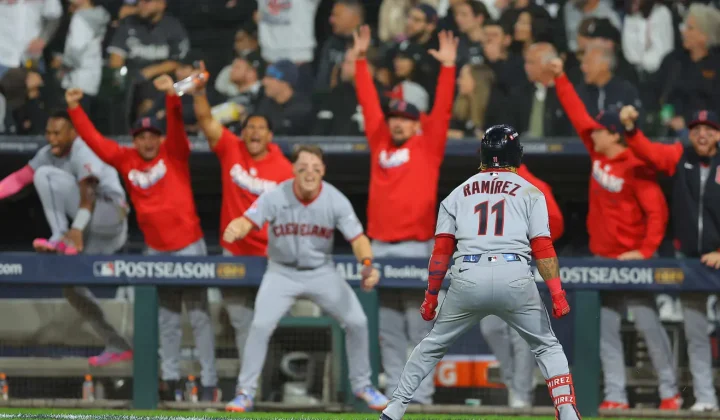
Guardians Force Winner-Take-All ALDS Game 5 With Six-Run Sixth Inning in Chicago
Cleveland scored six runs in the sixth inning to beat the White Sox 9-5 in Game 4 of the ALDS, setting up…
Read story
Dodgers Take Commanding 3-1 NLDS Lead Behind Glasnow’s Gritty Outing in Atlanta
Tyler Glasnow battled through command issues but limited Atlanta to one run over 4 2/3 innings as Los Angeles took a 3-1…
Read story
Braves Face Elimination as Dodgers Seek NLCS Berth in Game 4 NLDS Showdown
The Atlanta Braves host the Los Angeles Dodgers in a pivotal Game 4 of the National League Division Series on Wednesday night.…
Read story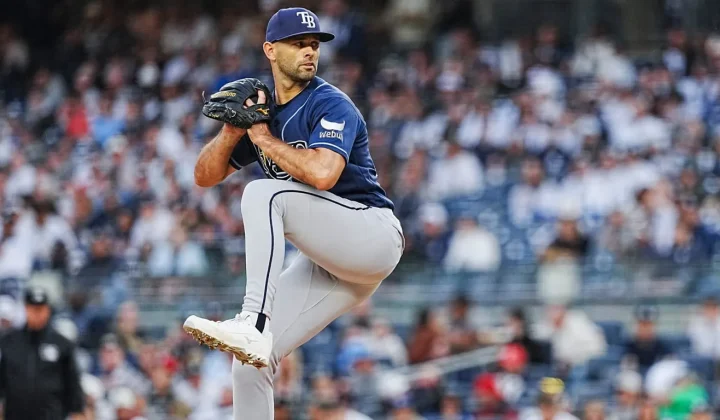
Nick Martinez Returns to Yankee Stadium as Rays Seek ALDS Sweep in Game 3
Tampa Bay right-hander Nick Martinez, who once got ejected from Yankee Stadium as a college fan, starts ALDS Game 3 against New…
Read storyRelated wiki

MLB Wild Card Rules Explained: Format, Tiebreakers & Postseason Impact
How the MLB wild card works in the current postseason format, including tiebreaker procedures, the 3-game series structure, and what it means…
Read storyPlayoff race
Reference page for playoff race language, qualification lines, tiebreakers and games-in-hand context.
Read story