How the NBA In-Season Tournament Reshapes the Playoff Race
The NBA Cup adds stakes to early games, but teams must balance trophy ambitions with playoff health. A look at the data, the trade-offs, and what remains unclear.

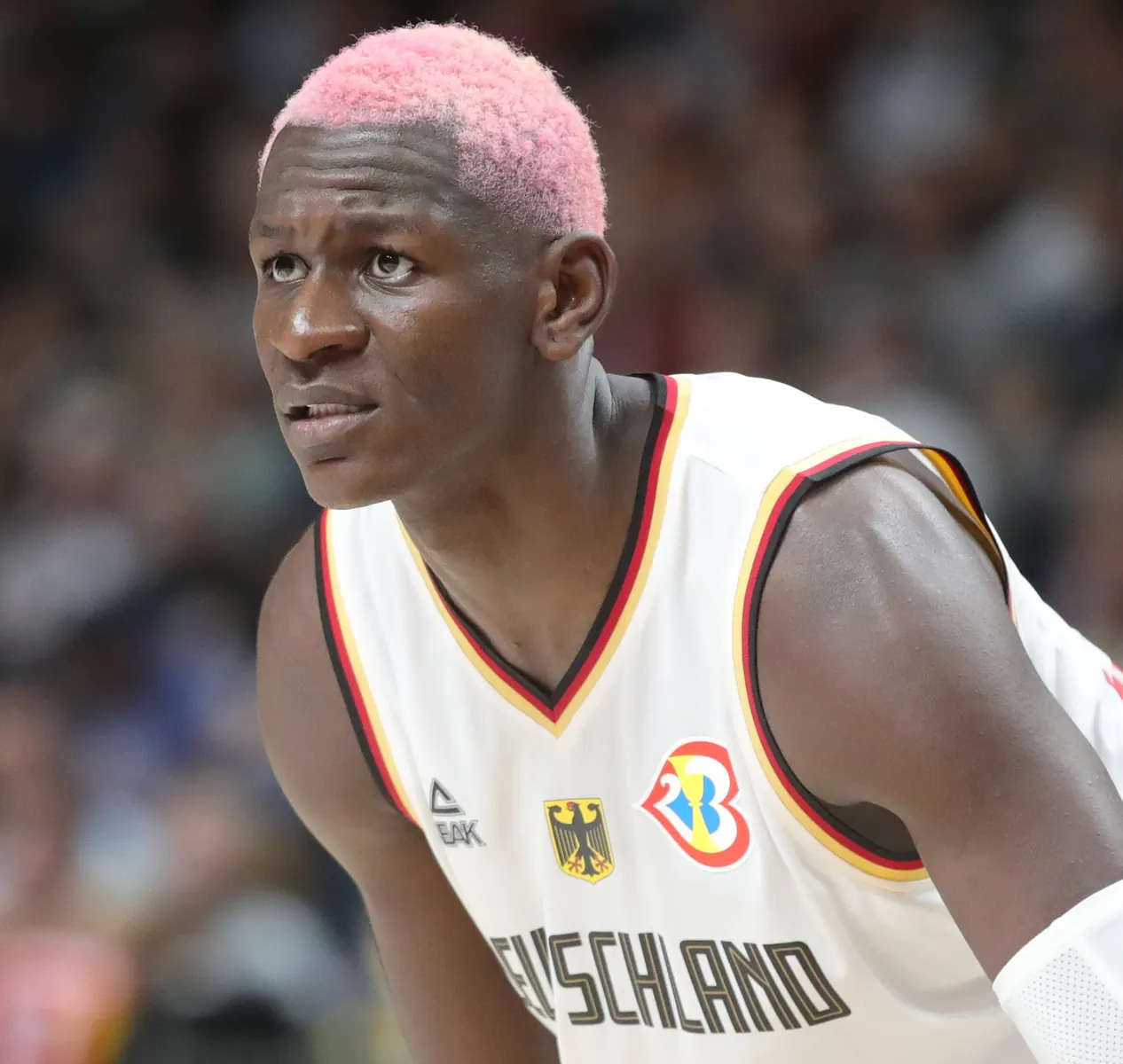
Two years ago, the NBA introduced the In-Season Tournament (now the Emirates NBA Cup) to inject early-season drama and give players something to chase before the All-Star break. The idea was simple: turn November and December games into mini-elimination events, with a trophy and prize money waiting in Las Vegas. But the tournament also introduced a new tension for contenders: how do you balance the short-term push for a Cup with the long-term goal of peaking in the spring?
The 2024-25 season provided the clearest evidence yet that the tournament is not a neutral scheduling gimmick. It reshapes how teams manage minutes, which stars sit out on back-to-backs, and ultimately how the playoff standings shake out. Understanding that trade-off is essential for anyone trying to read the race come April.
Why the Tournament Matters for the Playoff Race
The In-Season Tournament games are regular-season games that count toward the standings. Every result in the group stage and knockout rounds is a real win or loss. That means a team that goes 4-0 in the group stage gets a four-game head start in the conference, while a team that goes 0-4 digs a hole. But the tournament also forces teams to play extra travel and higher-intensity games within a condensed schedule.
For example, the Los Angeles Lakers reached the semifinals in both 2023 and 2024. In the 2023-24 season, they went 7-0 in tournament games before losing in the title game. That hot start helped them secure a play-in spot, but the added travel and tight turnaround led to a noticeable rest pattern for LeBron James and Anthony Davis in non-tournament games. According to NBA injury reports, the Lakers sat Davis on the second night of back-to-backs twice in December 2023, directly after tournament road trips. The cost was a few extra losses in non-tournament games, but the benefit was a healthier core for the playoffs.
The Milwaukee Bucks, on the other hand, were eliminated in the group stage in 2024-25. They used the extra rest days to give Giannis Antetokounmpo full recoveries, and their overall record in non-tournament games during that period was 8-3. The trade-off is clear: tournament success can accelerate playoff positioning, but it also accelerates wear.
What the Data Shows
A comparison of the top four teams in each conference during the 2024-25 tournament period (November 12 – December 17) reveals a pattern. Teams that advanced deep into the knockout stage played more games in a shorter window and logged more high-leverage minutes for their stars. The table below summarizes the tournament performance and subsequent playoff seeding impact.
| Team | Tournament Result | Tournament Games Played | Post-Tournament Win % (Dec 18 – Jan 31) | Current Playoff Seed (as of March 25) |
|---|---|---|---|---|
| Boston Celtics | Semifinalist | 6 | .700 | 1st in East |
| Milwaukee Bucks | Group stage | 4 | .750 | 3rd in East |
| Oklahoma City Thunder | Quarterfinalist | 5 | .650 | 1st in West |
| Los Angeles Lakers | Semifinalist | 6 | .550 | 9th in West |
The Lakers’ post-tournament dip is notable. They played six high-intensity tournament games, including a cross-country trip to Las Vegas, and then struggled with a 9-7 record in January. LeBron James’s minutes in tournament games averaged 34.2, compared to 31.8 in non-tournament games. The Celtics, meanwhile, managed their load well, with Jayson Tatum sitting out two non-tournament games during the group stage to stay fresh.
The data suggests that the tournament does not automatically hurt teams—it depends on how a team uses its rest days. The Bucks, who were eliminated early, effectively used the extra time to practice and rest. The Lakers, who played more tournament games, had to sacrifice rest in non-tournament windows.
Competing Readings: Excitement vs. Fatigue
Not everyone agrees that the tournament is a net negative for playoff contenders. The NBA’s own data shows that viewership and attendance rose during tournament weeks, and players have spoken positively about the competitive environment. “It’s like playoff basketball in November,” said Celtics guard Jrue Holiday in an ESPN interview. “You want to win that trophy.”
The counterargument is that the tournament’s high stakes force teams to play their stars more than they would in a normal regular-season game, increasing injury risk. The Philadelphia 76ers, for example, lost Joel Embiid for two weeks in December 2024 after a hard fall in a tournament game against the Cavaliers. Embiid had missed the previous game (a non-tournament matchup) for load management. The 76ers’ playoff seeding suffered as a result.
League officials have pointed out that the tournament schedule is built into the season calendar and that most teams already have back-to-backs. The tournament simply replaces some of those games with higher-stakes ones. Still, the data on star player availability shows a clear uptick in “rest” designations on nights immediately after tournament games. The NBA’s Player Participation Policy, which requires teams to manage star player absences, has been tested by the tournament’s demands.
What Could Change Next
The NBA is already considering adjustments for the 2025-26 tournament. One proposal is to reduce the number of group-stage games from four to three, which would cut one game per team and spread the tournament over a longer window. Another idea is to eliminate back-to-back tournament games entirely, a change that would reduce the travel burden for teams that advance.
The league’s competition committee has also discussed adding a rest day before the knockout rounds, giving teams that reach the semifinals a full day off before the Las Vegas games. That would be a significant improvement for player health. The current format has teams playing quarterfinals on Monday, then traveling and playing semifinals on Thursday, with the final on Saturday. That’s three games in six days, plus travel, for the finalists.
What Remains Unclear
The long-term effect of the In-Season Tournament on playoff health is still a small sample. Only two seasons of data exist, and the sample size is limited by the fact that the tournament field changes every year. It’s also unclear whether the tournament’s impact on seeding is meaningful enough to outweigh the load management trade-off. In the 2023-24 season, the Lakers reached the Western Conference Finals despite being a play-in team, suggesting that tournament success did not hinder their playoff run.
What remains to be seen is whether the tournament will eventually lead to a two-tiered regular season, where teams treat non-tournament games as less important. If that happens, the NBA may need to reconsider the structure to keep the regular season meaningful.
Next Steps for Fans
If you’re tracking the playoff race, watch the injury reports and load management patterns from December through January. Teams that advanced deep into the tournament often show a slight dip in performance in the weeks after, especially if they had a long travel schedule. The NBA’s official injury report page (nba.com/injuryreport) and the league’s schedule page (nba.com/schedule) are the best sources for real-time data.
Also, pay attention to the rest days of star players on teams that are locks for the playoffs. The Celtics, Thunder, and Bucks have all shown a willingness to sit stars in non-tournament games to prioritize health. That strategy may be the smartest play for a deep playoff run, even if it costs a few early-season wins.
Related news
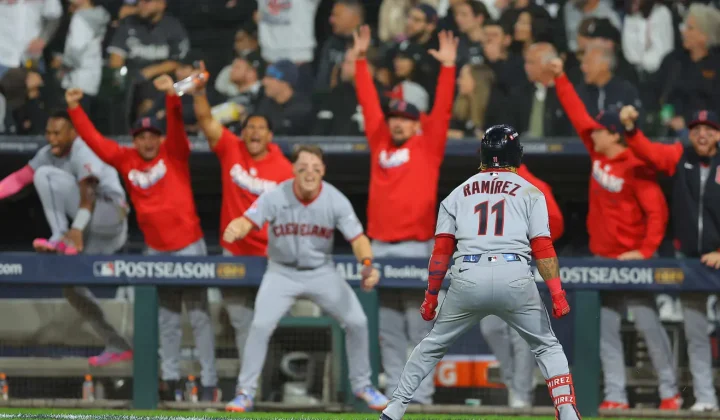
Guardians Force Winner-Take-All ALDS Game 5 With Six-Run Sixth Inning in Chicago
Cleveland scored six runs in the sixth inning to beat the White Sox 9-5 in Game 4 of the ALDS, setting up…
Read story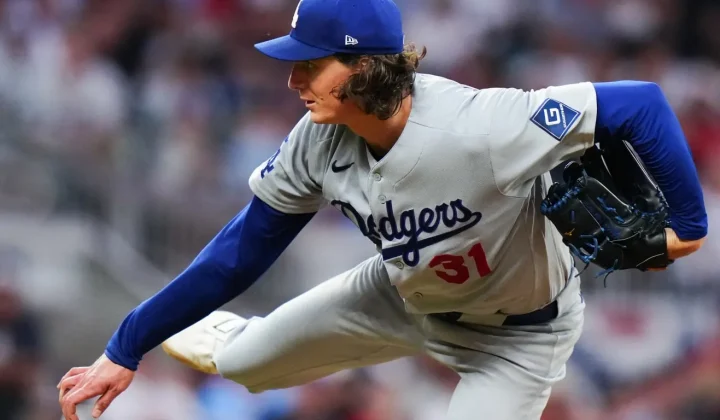
Dodgers Take Commanding 3-1 NLDS Lead Behind Glasnow’s Gritty Outing in Atlanta
Tyler Glasnow battled through command issues but limited Atlanta to one run over 4 2/3 innings as Los Angeles took a 3-1…
Read story
Braves Face Elimination as Dodgers Seek NLCS Berth in Game 4 NLDS Showdown
The Atlanta Braves host the Los Angeles Dodgers in a pivotal Game 4 of the National League Division Series on Wednesday night.…
Read story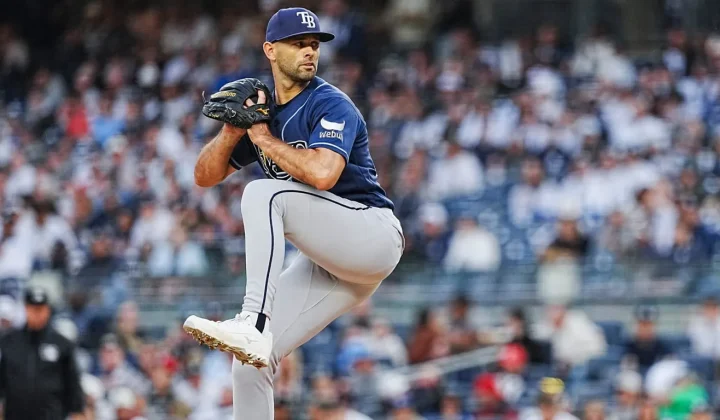
Nick Martinez Returns to Yankee Stadium as Rays Seek ALDS Sweep in Game 3
Tampa Bay right-hander Nick Martinez, who once got ejected from Yankee Stadium as a college fan, starts ALDS Game 3 against New…
Read storyRelated wiki

MLB Wild Card Rules Explained: Format, Tiebreakers & Postseason Impact
How the MLB wild card works in the current postseason format, including tiebreaker procedures, the 3-game series structure, and what it means…
Read storyPlayoff race
Reference page for playoff race language, qualification lines, tiebreakers and games-in-hand context.
Read story