The NBA’s Mid-Season Scramble: Playoff Races Heating Up and Defining Moments
As the NBA season hits its midpoint, the playoff picture is far from settled. Several teams are making significant runs, while others are facing critical junctures that will define their campaigns.
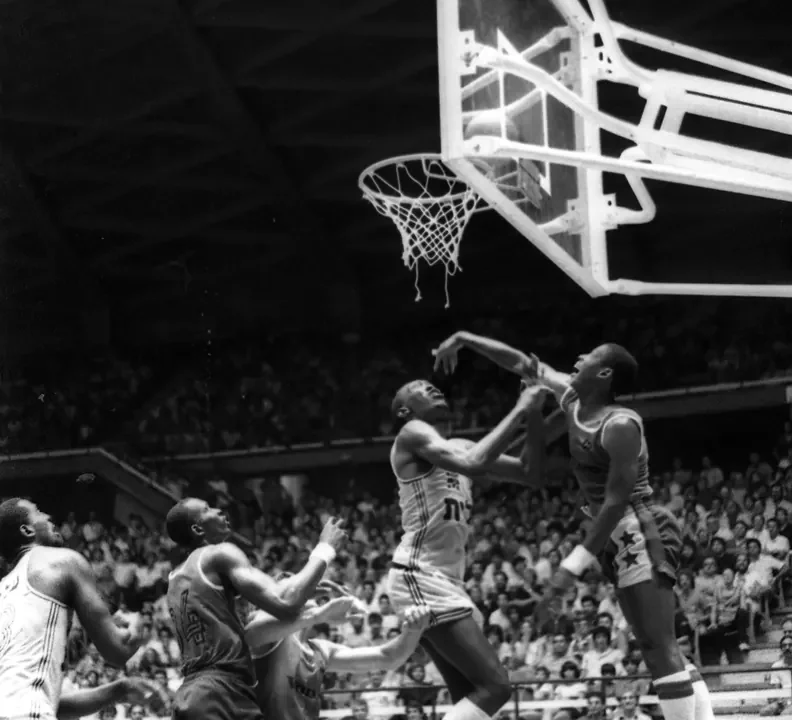
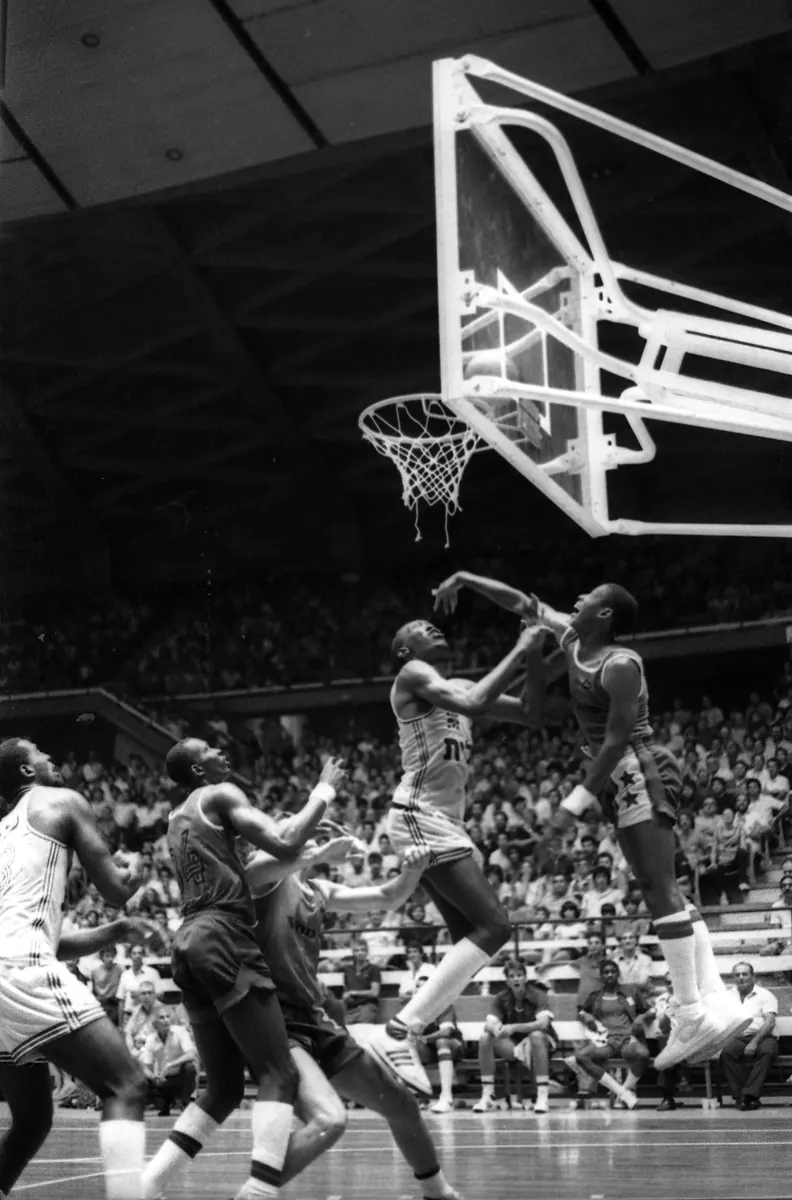
The NBA season, a marathon of 82 games, often reaches a critical juncture around its midpoint. This period is not just about accumulating wins; it’s a crucible where playoff aspirations are forged and dashed, and the true contenders begin to separate themselves from the pack. This season is no different, with several intense playoff races unfolding across both conferences, offering a compelling narrative of resilience, adaptation, and strategic maneuvering.
The narrative of the NBA season often crystallizes in the months leading up to the postseason. Teams that started slow are finding their rhythm, while those that enjoyed early success are being tested by tougher competition and the inevitable fatigue of a long campaign. Injuries, trades, and emerging player development all play significant roles in shaping these mid-season narratives. Understanding these dynamics is key to appreciating the unfolding drama and predicting which teams are best positioned for a deep playoff run.
Why This Mid-Season Juncture Matters
The NBA playoffs are a unique beast, often rewarding teams that peak at the right time. A strong finish to the regular season can provide crucial momentum, better seeding, and a psychological edge over opponents. For teams hovering around the play-in tournament spots or on the fringes of the playoff picture, the games played from January to March are often the most impactful. These are the games where strategies are refined, player roles solidify, and the mental fortitude required for playoff basketball is tested.
Furthermore, the mid-season is a period of significant analysis for general managers and front offices. Teams that are underperforming may look to make trades to shake up their roster, while those with championship aspirations might seek to acquire veteran talent to bolster their depth. These moves, or the absence of them, can dramatically alter the trajectory of a team and the competitive balance of the league. The trade deadline, typically falling in February, often serves as a focal point for these mid-season shifts.
What the Standings Show
Across the league, several distinct playoff races are developing. In the Eastern Conference, the top seeds are largely established, but the battle for home-court advantage in the early rounds is fierce. Teams like the Philadelphia 76ers, Milwaukee Bucks, and Boston Celtics are jockeying for position, with each team boasting unique strengths and vulnerabilities.
The Western Conference, however, presents a more chaotic and compelling picture. The Denver Nuggets and Oklahoma City Thunder have emerged as consistent forces, but the chasing pack is formidable. Teams such as the Los Angeles Clippers, Minnesota Timberwolves, and Phoenix Suns are all in the mix, with their performances often dictated by the health of their star players and their ability to find consistent offensive and defensive execution. The play-in tournament spots are also hotly contested, with several teams looking to sneak into the postseason.
Here’s a snapshot of how some of the key races are shaping up (as of mid-season, subject to change):
| Conference | Top Seeds (Potential Home Court) | Mid-Tier Contenders | Play-In Tournament Race |
|---|---|---|---|
| Eastern | Boston Celtics, Milwaukee Bucks, Philadelphia 76ers | Cleveland Cavaliers, New York Knicks, Indiana Pacers | Miami Heat, Chicago Bulls, Atlanta Hawks |
| Western | Denver Nuggets, Oklahoma City Thunder, Los Angeles Clippers | Minnesota Timberwolves, Phoenix Suns, Sacramento Kings | Los Angeles Lakers, Golden State Warriors, Houston Rockets |
Note: This table represents a hypothetical mid-season snapshot. Actual standings will fluctuate.
Competing Readings and Emerging Narratives
One of the most compelling narratives is the rise of younger teams challenging the established order. The Oklahoma City Thunder, led by Shai Gilgeous-Alexander, have exceeded expectations, showcasing a dynamic offense and a tenacious defense. Their success raises questions about the long-term sustainability of their current roster construction and their potential to compete with veteran-laden teams in a deep playoff run.
Conversely, some veteran teams are facing questions about their ability to adapt to the modern NBA. While talent and experience are invaluable, teams that rely heavily on isolation scoring or struggle with defensive consistency may find themselves vulnerable against younger, more athletic opponents. The Los Angeles Lakers and Golden State Warriors, two franchises with storied histories, are finding themselves in a constant battle to secure a playoff berth, highlighting the challenges of maintaining dominance in a rapidly evolving league.
Injuries also play a pivotal role. The health of key players can derail even the most promising seasons. Teams that can manage injuries effectively, relying on strong bench depth and adaptable schemes, often gain an advantage. For instance, the Cleveland Cavaliers have demonstrated remarkable resilience despite significant injury setbacks, showcasing their depth and coaching prowess.
What Could Change Next
The remainder of the regular season is a crucial period for adjustments. Teams will be looking to fine-tune their rotations, build chemistry, and avoid costly mistakes. The trade deadline will likely be a catalyst for further movement, with teams either solidifying their rosters for a championship push or beginning to plan for the future.
Player development is another factor that can significantly alter the landscape. Young stars continuing their ascent can elevate teams into genuine contenders, while established players finding a new level of performance can provide a much-needed boost. We could see surprise contenders emerge or established teams fall out of contention based on these late-season developments.
What Remains Unclear
Despite the clarity emerging around some teams, several key questions remain for the latter half of the season. The true ceiling of some of the younger, ascendant teams is yet to be fully determined. Can they maintain their intensity against seasoned playoff veterans? What adjustments will their opponents make to counter their strengths?
For the perennial contenders, the question often boils down to health and consistency. Can they avoid the late-season slumps that have plagued some teams in the past? Will their star players remain healthy through the grueling playoff schedule? The answers to these questions will ultimately dictate which teams have the opportunity to hoist the Larry O’Brien trophy. The mid-season scramble is not just about who is winning now, but who can sustain their performance and adapt as the stakes continue to rise.
Related news
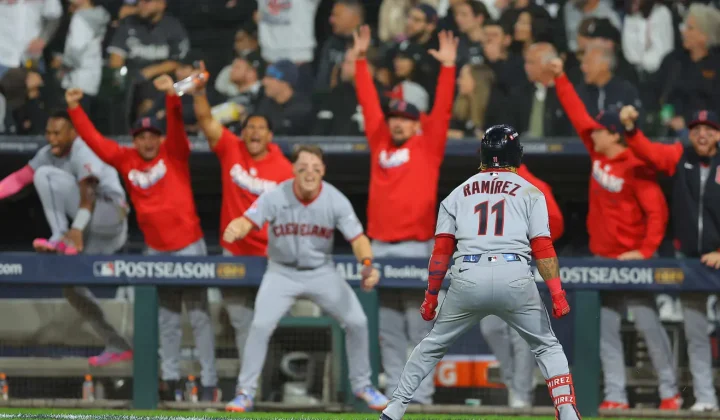
Guardians Force Winner-Take-All ALDS Game 5 With Six-Run Sixth Inning in Chicago
Cleveland scored six runs in the sixth inning to beat the White Sox 9-5 in Game 4 of the ALDS, setting up…
Read story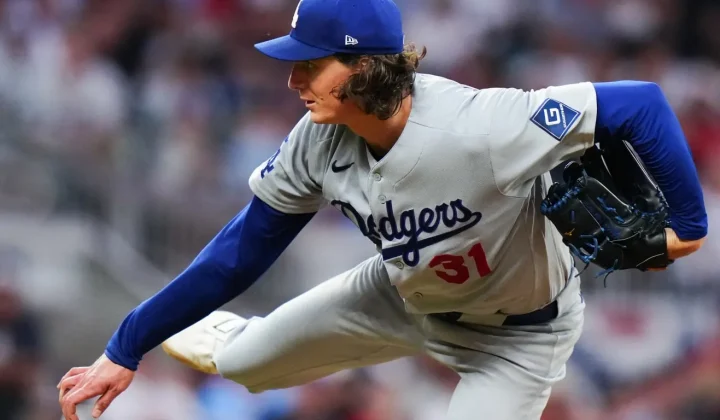
Dodgers Take Commanding 3-1 NLDS Lead Behind Glasnow’s Gritty Outing in Atlanta
Tyler Glasnow battled through command issues but limited Atlanta to one run over 4 2/3 innings as Los Angeles took a 3-1…
Read story
Braves Face Elimination as Dodgers Seek NLCS Berth in Game 4 NLDS Showdown
The Atlanta Braves host the Los Angeles Dodgers in a pivotal Game 4 of the National League Division Series on Wednesday night.…
Read story
Nick Martinez Returns to Yankee Stadium as Rays Seek ALDS Sweep in Game 3
Tampa Bay right-hander Nick Martinez, who once got ejected from Yankee Stadium as a college fan, starts ALDS Game 3 against New…
Read storyRelated wiki

MLB Wild Card Rules Explained: Format, Tiebreakers & Postseason Impact
How the MLB wild card works in the current postseason format, including tiebreaker procedures, the 3-game series structure, and what it means…
Read storyPlayoff race
Reference page for playoff race language, qualification lines, tiebreakers and games-in-hand context.
Read story