The NBA’s Mid-Season Shake-Up: Analyzing the Shifting Playoff Landscape
As the NBA season reaches its crucial mid-point, several teams are making significant moves, altering the playoff picture. This analysis delves into the key storylines, potential impacts, and what to watch as the race for the postseason intensifies.
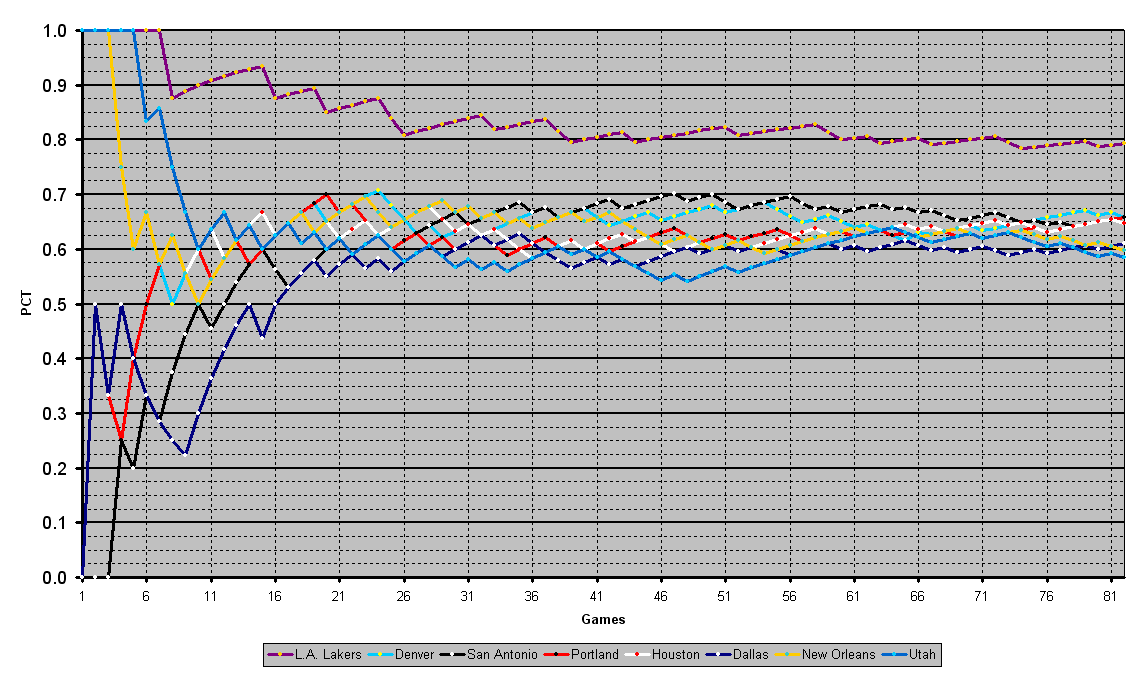
The NBA regular season is a marathon, not a sprint, but the stretch between the holiday break and the All-Star Game often feels like a crucial turning point. This period is when narratives solidify, injuries begin to dictate fates, and front offices make the calculated gambles that could define their season. For fans and analysts alike, it’s a prime time to dissect the evolving playoff picture, identifying which teams are trending upwards, which are facing unexpected headwinds, and what factors will ultimately determine who earns a coveted spot in the postseason.
This analysis aims to cut through the noise, focusing on the teams and trends that are most significantly impacting the NBA’s playoff landscape. We’ll examine the strategic decisions being made, the impact of key personnel changes, and the statistical signals that point towards future success or struggles.
Why This Mid-Season Shift Matters
The NBA playoff race is inherently dynamic, but the mid-season juncture amplifies this volatility. Teams that started strong may be showing signs of fatigue or have fallen victim to the injury bug, while others that began sluggishly are hitting their stride. This is the period where teams often assess their championship aspirations and make decisive moves. Trades, whether blockbuster or minor, can inject new energy, address roster weaknesses, or signal a shift in organizational direction. Furthermore, understanding these movements is crucial for fans looking to gauge their favorite team’s championship odds or identify potential dark horses emerging from the pack. The clarity that emerges in the coming weeks will set the stage for the intense battles that define the latter half of the regular season and the playoffs themselves.
What the Data and Sources Show
Examining the current standings provides a foundational understanding of the playoff picture. For instance, the Western Conference often presents a tighter, more competitive scrum, where a few consecutive losses can send a team tumbling down the standings. Conversely, the Eastern Conference might see a clearer separation between the top contenders and the play-in tournament hopefuls, though upsets and surprise packages are always possible.
Recent transactions offer tangible evidence of teams actively trying to influence their playoff positioning. A deep dive into official league transaction pages or reputable sports news outlets like ESPN or The Athletic can reveal the types of moves being made. Are teams acquiring established stars, targeting role players to fill specific needs, or even initiating rebuilds by trading away veteran assets?
Injury reports from official NBA sources or team-specific sites are equally critical. A star player’s absence can dramatically alter a team’s fortunes, impacting their offensive output, defensive capabilities, and overall cohesion. Understanding the duration and severity of these injuries, as well as the team’s depth chart to compensate, is paramount.
Consider the following snapshot of recent team performance and potential playoff implications (data as of a hypothetical mid-season point):
| Team | Current Standings (Conf.) | Recent Form (Last 10 G) | Key Storyline | Playoff Outlook Impact |
|---|---|---|---|---|
| Team A | 3rd | 7-3 | Consistent performance, elite offense | Strong contender for top seed |
| Team B | 7th | 5-5 | Struggling with injuries to key players | Risk of falling into play-in, potential first-round exit |
| Team C | 10th | 6-4 | Recent trade acquisition integrating well | Moving up, potential dark horse for a lower seed |
| Team D | 12th | 3-7 | Losing streak, questioning leadership | Playoff hopes fading, potential sellers at trade deadline |
Official sources like NBA.com’s standings and team pages provide the raw data, while secondary sources like ESPN’s trade tracker and injury reports offer context and analysis that helps interpret these numbers.
Competing Readings and Interpretations
While the data provides a framework, interpretation is key. A team on a 7-3 run might be lauded for its momentum, but a closer look might reveal a schedule that was particularly favorable. Conversely, a team with a losing record might have faced an exceptionally difficult stretch of opponents, making their long-term prospects perhaps brighter than their recent results suggest.
The impact of trades can also be debated. Did acquiring a veteran scorer truly address a team’s defensive shortcomings, or did it merely shift the problem? Are the younger players on a rebuilding team showing enough promise to justify the current direction, or is more drastic action needed? These are the questions that seasoned analysts and fanbases grapple with. For example, a team might trade for a star player who is known for his scoring but struggles defensively. While his offensive impact is undeniable, the team’s defensive rating might actually worsen, leading to a complex trade-off that doesn’t immediately guarantee better outcomes.
Furthermore, the narrative around certain teams can sometimes overshadow objective analysis. A team with a history of playoff success might receive the benefit of the doubt even when their current performance is questionable, while a consistently good but less storied franchise might be overlooked.
What Could Change Next
The NBA trade deadline is a significant inflection point. Teams that are underperforming might pivot to selling assets, while contenders could make one final push for a championship-caliber addition. This period is often characterized by a flurry of activity, creating new opportunities and challenges for various franchises. The waiver wire and buyout market can also yield important contributors, especially for teams facing extended injury absences.
Beyond player movement, coaching adjustments can also play a role. A mid-season coaching change, while disruptive, can sometimes galvanize a team and lead to a renewed sense of purpose. Similarly, tactical adjustments by coaching staffs, perhaps in response to emerging league trends or to better exploit opponent weaknesses, can also shift team performance.
The schedule itself plays a crucial role. As teams approach the final weeks of the regular season, strength of schedule becomes a significant factor. A team facing a gauntlet of elite opponents may find it difficult to maintain their position, while one with a more manageable slate has a clearer path to climbing the ladder.
What Remains Unclear
Despite the best efforts of analysts and the transparency of official data, certain elements of the playoff race will inevitably remain uncertain until the final games are played. The long-term health of key players is always a question mark. A seemingly minor injury could linger or lead to complications, derailing a team’s aspirations. The chemistry and cohesion of teams that have undergone significant mid-season changes can also take time to develop, and it’s never guaranteed that new additions will seamlessly integrate.
Furthermore, the element of surprise is inherent in sports. A young player might emerge as a star, an overlooked team might catch fire, or a favored contender could falter due to unforeseen circumstances. These unpredictable variables are what make the NBA season so compelling to follow. The true test of a team’s mettle often comes down to their ability to adapt to adversity and capitalize on opportunities, even when the path forward is not entirely clear. The final standings will ultimately reflect which teams were best equipped to navigate these uncertainties.
Related news

Holy Cross football ends 16-year drought against Ansonia behind Nate Craft’s four touchdowns
The Crusaders overcame a third-quarter deficit to beat Ansonia 48-37, snapping a losing streak that dated back to 2009 and improving to…
Read story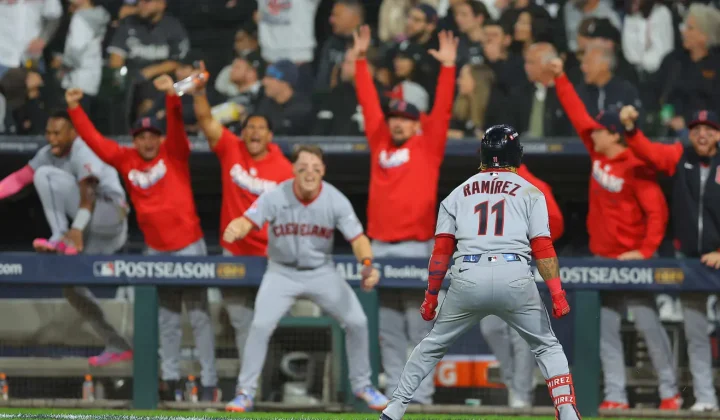
Guardians Force Winner-Take-All ALDS Game 5 With Six-Run Sixth Inning in Chicago
Cleveland scored six runs in the sixth inning to beat the White Sox 9-5 in Game 4 of the ALDS, setting up…
Read story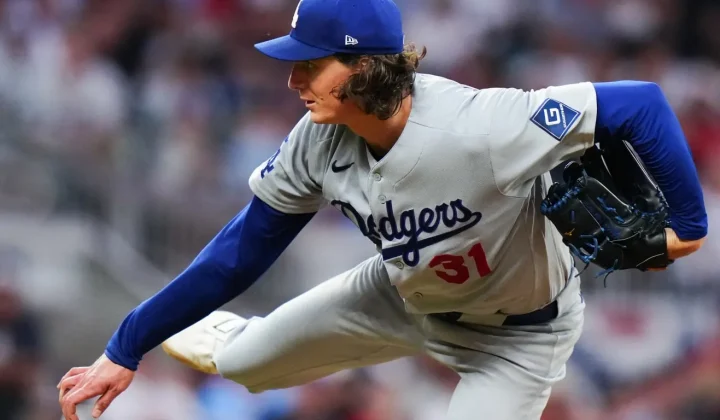
Dodgers Take Commanding 3-1 NLDS Lead Behind Glasnow’s Gritty Outing in Atlanta
Tyler Glasnow battled through command issues but limited Atlanta to one run over 4 2/3 innings as Los Angeles took a 3-1…
Read story
Braves Face Elimination as Dodgers Seek NLCS Berth in Game 4 NLDS Showdown
The Atlanta Braves host the Los Angeles Dodgers in a pivotal Game 4 of the National League Division Series on Wednesday night.…
Read storyRelated wiki

MLB Wild Card Rules Explained: Format, Tiebreakers & Postseason Impact
How the MLB wild card works in the current postseason format, including tiebreaker procedures, the 3-game series structure, and what it means…
Read storyPlayoff race
Reference page for playoff race language, qualification lines, tiebreakers and games-in-hand context.
Read story