The NBA’s New Playoff Frontier: How the Play-In Tournament Reshaped Contention
The NBA's Play-In Tournament has evolved from a novel experiment to a crucial fixture, altering how teams approach the regular season and what it means to be in playoff contention.

The NBA’s recent introduction and subsequent expansion of the Play-In Tournament has fundamentally altered the league’s competitive landscape. What began as an experimental format to inject late-season excitement has matured into an integral part of the playoff qualification process, significantly reshaping how teams strategize throughout the regular season and defining what it means to be truly “in contention.” This shift has created a new dynamic, offering a second chance for teams hovering around the .500 mark and intensifying the battle for both direct playoff berths and the opportunity to simply extend their season.
The core of the Play-In Tournament’s impact lies in its ability to democratize opportunity. Previously, a team that finished ninth or tenth, even with a respectable record, was effectively eliminated from championship contention once the regular season concluded. Now, these teams have a tangible pathway to not only make the playoffs but also to potentially disrupt the established order. This introduces a compelling narrative for fans and a strategic dilemma for franchises, forcing them to weigh the value of securing a top-six seed against the potential benefits of a more “rested” or “momentum-building” approach that a Play-In appearance might afford.
Why the Play-In Tournament Matters for NBA Contention
The traditional NBA playoff structure, with its clear delineation between playoff teams and lottery teams, often led to late-season apathy for franchises mathematically eliminated from contention. The Play-In Tournament injects a heightened sense of urgency and relevance into the final weeks of the regular season for a broader segment of the league. Teams that might have previously been playing out the string are now actively engaged in competitive games, striving to secure one of the two Play-In spots in each conference. This increased parity and extended competitive window benefits not only the teams involved but also the league’s overall entertainment value.
Furthermore, the tournament provides a crucial proving ground for teams that might not have the pedigree of historic contenders but possess the talent and grit to compete. It allows a team to gain invaluable playoff-like experience without the immediate pressure of a best-of-seven series. For younger teams or those undergoing a rebuild, this experience can be a significant developmental catalyst, fostering growth and confidence that can pay dividends in future seasons.
What the Data and League Trends Show
Since its formal adoption, the Play-In Tournament has consistently demonstrated its ability to bring exciting, high-stakes basketball to the forefront. The data from the tournament’s inception reveals that teams securing the seventh and eighth seeds in the Play-In have a statistically viable chance of advancing to the main playoff bracket. For instance, in the 2020-21 season, the eighth-seeded Los Angeles Lakers went on to win the NBA championship, a testament to the tournament’s ability to elevate teams that might have otherwise been overlooked.
The trend also indicates that teams that perform well in the Play-In often carry that momentum into the first round of the playoffs. While the sample size is still relatively small, the competitive nature of the final regular season games and the Play-In itself can serve as a potent warm-up. Teams that have navigated these high-pressure scenarios may find themselves better prepared for the intensity of traditional playoff series.
Here’s a look at the seeds that have advanced from the Play-In to the main playoff bracket:
| Season | Conference | 7th Seed Adv. | 8th Seed Adv. |
|---|---|---|---|
| 2020-21 | West | Yes | Yes |
| 2020-21 | East | Yes | No |
| 2021-22 | West | Yes | Yes |
| 2021-22 | East | Yes | Yes |
| 2022-23 | West | Yes | Yes |
| 2022-23 | East | Yes | Yes |
Note: “Adv.” refers to advancing to the main 8-team playoff bracket.
This table illustrates that, particularly in the Western Conference, both the 7th and 8th seeds have consistently found ways to advance through the Play-In, underscoring the tournament’s effectiveness in rewarding teams that finish the regular season strong.
Competing Readings on Play-In Strategy
There are varying perspectives on how teams should strategically approach the regular season with the Play-In Tournament in mind. One school of thought suggests that teams should prioritize securing a top-six seed to avoid the Play-In altogether. This approach emphasizes the potential physical toll and added risk of playing extra games, especially for teams with injury-prone star players. The argument here is that a top-six seed guarantees a full week of rest and preparation before the main playoff gauntlet begins.
Conversely, another perspective embraces the Play-In as a valuable tool. Proponents argue that the tournament can serve as an excellent “tune-up” for the playoffs, allowing teams to find their rhythm and build momentum. They might point to teams that, despite not securing a top-six seed, have used the Play-In to overcome early-season struggles and enter the playoffs with a renewed sense of confidence. This can be particularly true for squads that have dealt with significant mid-season injuries, as the Play-In offers a chance to integrate returning players and solidify rotations under pressure.
Furthermore, some teams might find strategic advantages in their opponent matchups within the Play-In. A team that might struggle against a top-tier opponent could see the Play-In as an opportunity to face a more manageable foe, building confidence and potentially earning a more favorable first-round series matchup. This adds another layer of strategic complexity to the end of the regular season.
What Could Change Next for the Play-In
The NBA’s commitment to the Play-In Tournament seems solidified, but the format itself could still see adjustments. As the tournament evolves, the league might consider tweaking the seeding or the specific rules to further enhance competitiveness or fairness. One potential area for discussion could be the seeding advantage for the 7th and 8th seeds. Currently, they only need to win one game to secure a playoff spot, while the 9th and 10th seeds must win two consecutive games. This disparity, while intended to reward regular-season performance, could be a point of future debate.
Another aspect to monitor is the league’s response to any potential negative trends. For example, if teams begin to deliberately “tank” or play strategically to finish in the 9th or 10th spot to secure a more favorable Play-In draw, the league might intervene. However, the current structure strongly incentivizes finishing higher, making this a less likely scenario. The ongoing success and fan engagement surrounding the tournament suggest that major structural changes are unlikely in the immediate future, but the NBA is known for its willingness to adapt its rules and formats.
What Remains Unclear About the Play-In’s Long-Term Impact
While the Play-In Tournament has proven to be a successful addition, its long-term implications for player fatigue, the value of the regular season, and the overall integrity of the championship race are still subjects of ongoing discussion. Some critics argue that the added games, especially for teams that play multiple Play-In contests, could exacerbate player fatigue and increase the risk of injuries heading into the main playoffs. This is a valid concern, particularly in a league already grappling with player load management.
Additionally, the debate continues regarding whether the Play-In diminishes the historical significance of securing a top-six seed. While it offers more opportunities, it also means that teams that might have historically clinched a playoff spot with a specific record could now find themselves fighting for their tournament lives. The league’s stance on this will likely be influenced by continued fan reception and the competitive outcomes of future tournaments.
Ultimately, the NBA’s Play-In Tournament has successfully injected a dose of drama and expanded the definition of playoff contention. It has created a more dynamic and engaging end to the regular season, offering a second life to teams on the bubble and providing a unique pathway to postseason success. As the tournament continues to mature, its influence on team strategy and the league’s competitive narrative will undoubtedly remain a focal point for analysis and discussion.
Related news
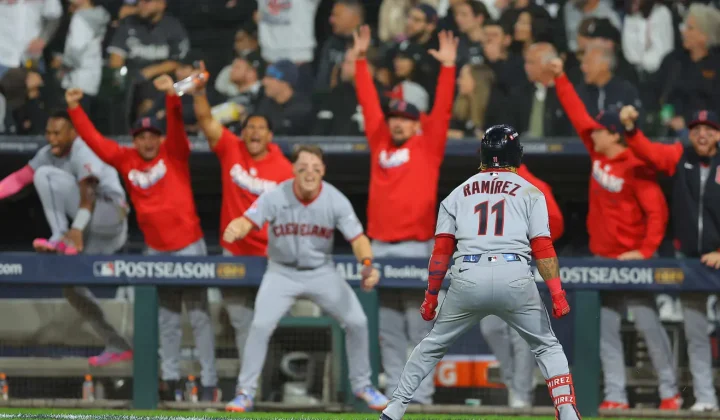
Guardians Force Winner-Take-All ALDS Game 5 With Six-Run Sixth Inning in Chicago
Cleveland scored six runs in the sixth inning to beat the White Sox 9-5 in Game 4 of the ALDS, setting up…
Read story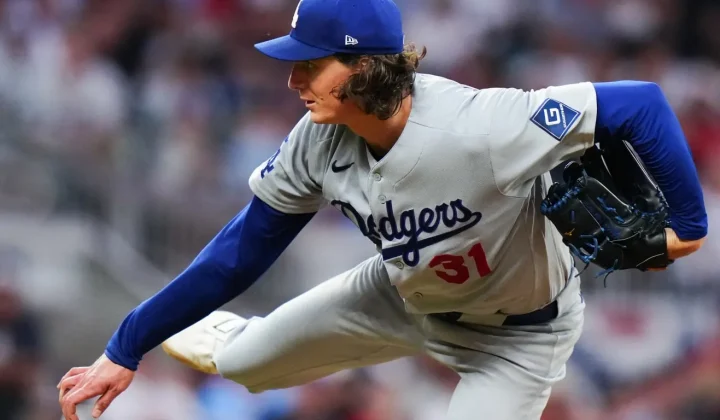
Dodgers Take Commanding 3-1 NLDS Lead Behind Glasnow’s Gritty Outing in Atlanta
Tyler Glasnow battled through command issues but limited Atlanta to one run over 4 2/3 innings as Los Angeles took a 3-1…
Read story
Braves Face Elimination as Dodgers Seek NLCS Berth in Game 4 NLDS Showdown
The Atlanta Braves host the Los Angeles Dodgers in a pivotal Game 4 of the National League Division Series on Wednesday night.…
Read story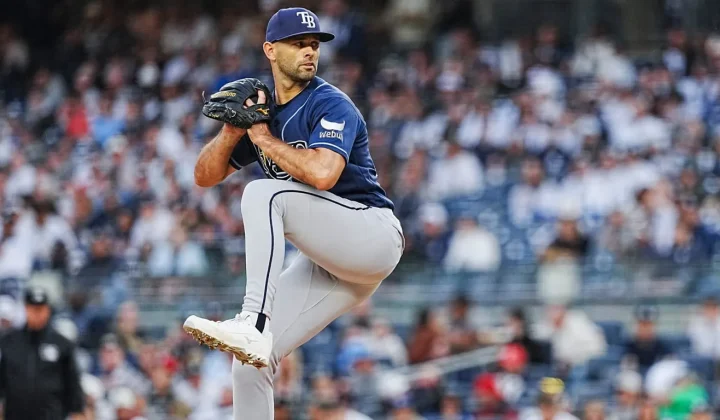
Nick Martinez Returns to Yankee Stadium as Rays Seek ALDS Sweep in Game 3
Tampa Bay right-hander Nick Martinez, who once got ejected from Yankee Stadium as a college fan, starts ALDS Game 3 against New…
Read storyRelated wiki

MLB Wild Card Rules Explained: Format, Tiebreakers & Postseason Impact
How the MLB wild card works in the current postseason format, including tiebreaker procedures, the 3-game series structure, and what it means…
Read storyPlayoff race
Reference page for playoff race language, qualification lines, tiebreakers and games-in-hand context.
Read story