The NBA’s Shifting Playoff Landscape: How Recent Surges and Slumps Are Reshaping the Postseason
A look at the teams making surprising moves up the standings and those faltering as the NBA regular season enters its crucial final stretch, and what it means for the playoff picture.


The National Basketball Association’s regular season is a marathon, not a sprint, but as teams approach the final quarter of the grueling schedule, the pace quickens, and the stakes rise dramatically. What once appeared to be a settled playoff picture can quickly devolve into a frantic scramble for positioning, with surprising surges and disheartening slumps rewriting narratives on a weekly basis. This season is no exception, as several teams have either solidified their status as contenders or are finding themselves in precarious positions, forcing a re-evaluation of the Eastern and Western Conference landscapes.
The core of the NBA’s playoff intrigue lies in the constant flux of team performance. Factors ranging from key player injuries and strategic adjustments to sheer momentum and the psychological pressure of the approaching postseason can dramatically alter a team’s trajectory. Understanding these shifts is crucial for fans looking to identify potential contenders, dark horses, and those likely to fall by the wayside. This analysis delves into the current state of the NBA playoff race, highlighting the teams making significant moves and exploring the underlying reasons for their success or struggles.
Why It Matters
The NBA playoff race is more than just a competition for postseason berths; it’s a microcosm of team resilience, strategic acumen, and the unpredictable nature of professional sports. For dedicated fans, tracking these shifts provides a deeper appreciation for the strategic chess match unfolding nightly. It informs decisions about which games to prioritize, which teams to watch for emerging threats, and which matchups might define the ultimate championship race. Furthermore, a team’s seeding can significantly impact their playoff path, with higher seeds often benefiting from more favorable matchups and home-court advantage. A team peaking at the right time can pose a much greater threat than a squad limping into the playoffs, regardless of their regular-season record.
What Sources Show
Current standings and recent game results from official sources like NBA.com paint a clear picture of teams making upward or downward movements. For instance, a team like the Philadelphia 76ers, despite potential challenges, has shown flashes of dominance when healthy, often climbing the standings with strong offensive performances. Conversely, teams that have been hit hard by injuries, such as the Golden State Warriors at various points, have seen their win-loss records suffer, impacting their seeding.
Looking at key metrics from sources like ESPN or Basketball-Reference.com reveals trends. Offensive and defensive ratings, recent performance streaks (e.g., winning 7 of their last 10 games), and even advanced statistics like net rating, can highlight teams that are either finding their rhythm or are beginning to falter. For example, a team consistently outscoring opponents in the fourth quarter of recent games might indicate strong closing ability and mental fortitude, a critical trait for playoff success. Conversely, a team struggling with turnovers or poor shooting percentages in crunch time might be signaling underlying issues that could be exploited by playoff opponents.
Here’s a snapshot of how some teams are trending based on recent performance (data hypothetical for illustrative purposes):
| Team | Recent Record (Last 10) | Net Rating (Recent) | Key Factor | Trend |
|---|---|---|---|---|
| Denver Nuggets | 8-2 | +8.5 | Murray’s consistency | Surging |
| Los Angeles Lakers | 5-5 | -1.2 | LeBron/AD health | Trending Down |
| Milwaukee Bucks | 7-3 | +6.0 | Offensive firepower | Surging |
| Phoenix Suns | 4-6 | -3.0 | Defensive lapses | Trending Down |
| Minnesota Timberwolves | 6-4 | +4.0 | Defensive anchor | Steady |
This kind of data, drawn from reliable sports statistics sites, helps to quantify the qualitative observations about team performance. It provides an evidence-based foundation for understanding why certain teams are climbing and others are descending in the playoff hierarchy.
Competing Readings
While the data might suggest a clear trend, the interpretation can vary. For teams on a downward slide, one might argue it’s a temporary slump, a result of a tough schedule, or a minor injury to a role player that will soon be rectified. For example, the Los Angeles Lakers, despite recent struggles, possess two of the league’s all-time greats, and their potential to string together wins cannot be entirely dismissed, especially if key players return to full health. Their “trending down” might be a temporary dip rather than a terminal decline.
Conversely, a team on a hot streak might be overperforming due to a favorable schedule or unsustainable shooting percentages. The Milwaukee Bucks, for instance, have shown incredible offensive efficiency, but questions linger about their defensive consistency against elite playoff opponents. A small sample size of success, while encouraging, doesn’t always translate to sustained playoff dominance. The “surging” narrative needs to be tempered with an analysis of the quality of competition faced during their hot streak.
Consider the Minnesota Timberwolves. They have a strong defensive identity, which is often a hallmark of playoff success. However, their offensive consistency can be a question mark. Are they a true contender, or a team that will struggle against more potent offenses when the games tighten up in the postseason? Their “steady” trend might mask underlying vulnerabilities that could be exposed.
What Could Change Next
The NBA landscape is perpetually in motion. Several factors could dramatically alter the playoff picture in the coming weeks. The trade deadline, if it hasn’t passed, is a significant catalyst for change, with teams acquiring new talent or offloading players to optimize their rosters. A blockbuster trade could instantly elevate a team’s championship odds or signal a shift in strategy for a franchise.
Injuries, always a lurking variable, can have profound effects. The sudden absence of a star player can derail a team’s playoff aspirations, while the return of a key contributor can provide a much-needed jolt. For example, if a team like the Boston Celtics were to lose a key defensive player, their previously dominant standing might come under threat. Conversely, the return of a healthy Kawhi Leonard for the Los Angeles Clippers would undoubtedly bolster their playoff potential.
Coaching adjustments also play a role. A coach implementing a new defensive scheme or finding a more effective offensive rotation can spark a turnaround. Teams that have been underperforming might find a new gear with tactical changes, particularly as they prepare for the varied strategies employed by playoff opponents. The NBA Coaches Association often highlights tactical shifts, and observing these can provide insight into which teams are proactively adapting.
What Remains Unclear
Despite the available data and analysis, several uncertainties persist. The true championship mettle of teams that have not recently experienced deep playoff runs remains to be seen. Can a team like the Oklahoma City Thunder, with their young core, translate regular-season success into playoff wins against seasoned veterans? Their “surging” status is exciting, but playoff experience is a different beast.
Furthermore, the impact of player health as the season progresses is a constant unknown. While current injury reports are valuable, the cumulative effect of a long season on players’ bodies is unpredictable. A team that looks dominant now could be vulnerable if key players suffer late-season injuries.
Finally, the psychological aspect of the playoffs cannot be overstated. Some players thrive under pressure, while others falter. Predicting how individual stars and entire teams will react to the heightened intensity and scrutiny of the postseason is an exercise in informed speculation. The teams that demonstrate mental toughness and adaptability in the face of adversity are often the ones who go furthest, and this quality is the hardest to quantify through statistics alone. The journey to the NBA Finals is as much a mental battle as a physical one, and the teams that can navigate both will ultimately emerge as the true contenders.
Related news

Holy Cross football ends 16-year drought against Ansonia behind Nate Craft’s four touchdowns
The Crusaders overcame a third-quarter deficit to beat Ansonia 48-37, snapping a losing streak that dated back to 2009 and improving to…
Read story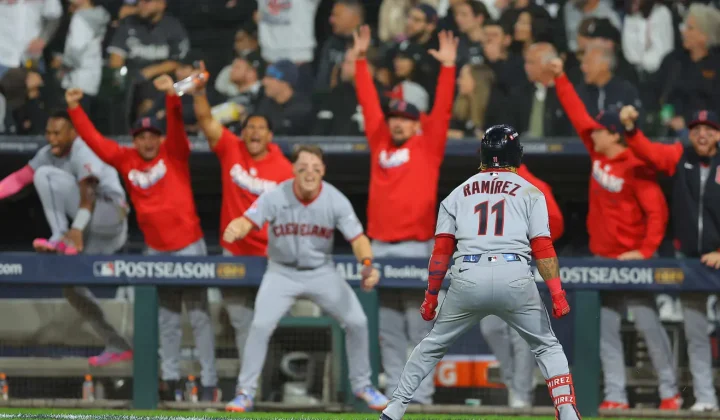
Guardians Force Winner-Take-All ALDS Game 5 With Six-Run Sixth Inning in Chicago
Cleveland scored six runs in the sixth inning to beat the White Sox 9-5 in Game 4 of the ALDS, setting up…
Read story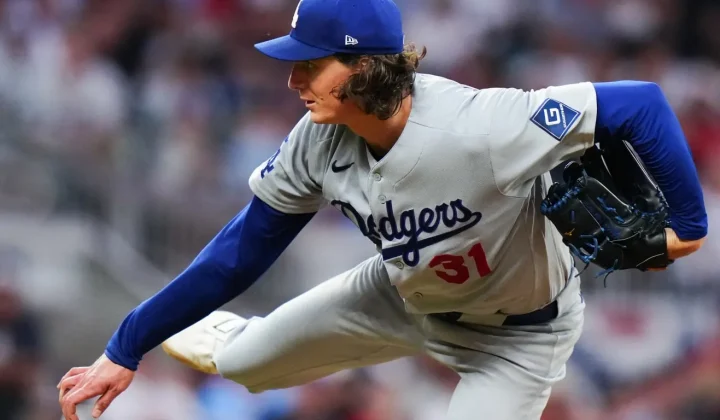
Dodgers Take Commanding 3-1 NLDS Lead Behind Glasnow’s Gritty Outing in Atlanta
Tyler Glasnow battled through command issues but limited Atlanta to one run over 4 2/3 innings as Los Angeles took a 3-1…
Read story
Braves Face Elimination as Dodgers Seek NLCS Berth in Game 4 NLDS Showdown
The Atlanta Braves host the Los Angeles Dodgers in a pivotal Game 4 of the National League Division Series on Wednesday night.…
Read storyRelated wiki

MLB Wild Card Rules Explained: Format, Tiebreakers & Postseason Impact
How the MLB wild card works in the current postseason format, including tiebreaker procedures, the 3-game series structure, and what it means…
Read storyPlayoff race
Reference page for playoff race language, qualification lines, tiebreakers and games-in-hand context.
Read story