The NBA’s Evolving Playoff Picture: Shifting Tides and Emerging Contenders
As the NBA season progresses, several teams are making significant moves in the playoff race, creating a dynamic and unpredictable landscape for fans. This analysis delves into the key shifts, emerging contenders, and crucial factors shaping the postseason.


The NBA season is a marathon, not a sprint, and as the calendar pages turn towards the latter half of the regular season, the playoff picture begins to sharpen, revealing shifting tides and the emergence of unexpected contenders. What once appeared to be a clear hierarchy is now a complex web of interwoven narratives, where injuries, trades, and hot streaks can dramatically alter a team’s trajectory. This analysis aims to dissect the current NBA playoff landscape, exploring the key movements, emerging threats, and the underlying factors that are defining the race for the Larry O’Brien trophy.
The essence of the NBA playoff race lies in its constant flux. Teams that might have been overlooked in the preseason are now making compelling arguments for contention, while established powerhouses are facing unprecedented challenges. Understanding these shifts requires a close examination of team performance, schedule implications, and the impact of roster changes. For fans, this dynamic environment translates into heightened excitement and a more engaging viewing experience, as every game carries significant weight in the grand scheme of the postseason.
Why This Matters Now
The current juncture of the NBA season is critical for several reasons. Firstly, it marks the period where teams solidify their playoff positioning. A strong finish to the regular season can secure a more favorable seeding, potentially leading to easier matchups in the early rounds and home-court advantage throughout the playoffs. Conversely, teams struggling to gain ground face the daunting prospect of entering the postseason as underdogs, battling uphill against more established contenders.
Secondly, the trade deadline, typically falling within this period, often injects a significant dose of unpredictability. Front offices actively seek to address team weaknesses, acquire star power, or shed salary, leading to significant roster overhauls. These moves can instantly transform a team’s fortunes, elevating them from fringe contenders to legitimate threats or, conversely, disrupting team chemistry and derailing promising seasons. The ripple effect of these transactions extends throughout the league, impacting not only the involved teams but also their rivals.
Thirdly, player availability plays a crucial role. The toll of a long NBA season often leads to injuries, particularly to key players. The absence of a star can expose a team’s depth or highlight tactical adjustments required to maintain competitiveness. Conversely, the return of a healthy star can provide a much-needed boost, injecting optimism and renewed belief in a team’s championship aspirations. Monitoring injury reports and player status becomes as vital as tracking win-loss records.
What the Sources Show
Examining the current standings and recent performance data provides a clearer picture of the evolving playoff race. While traditional powerhouses like the Boston Celtics and Denver Nuggets often maintain strong positions, the landscape is far from static. Teams like the Sacramento Kings, with their potent offense, and the Oklahoma City Thunder, led by their young, dynamic core, have demonstrated the ability to challenge established hierarchies.
For example, the Eastern Conference playoff picture has seen teams like the Philadelphia 76ers navigating the absence of Joel Embiid, relying heavily on the scoring prowess of Tyrese Maxey and the supporting cast. Their ability to tread water during his absence has been crucial for their seeding. Similarly, the Milwaukee Bucks, under new coaching leadership, have shown flashes of brilliance, but consistency remains a key question mark as they aim to secure a top seed.
In the Western Conference, the race for seeding is even more congested. The Minnesota Timberwolves, built on a foundation of strong defense and emerging offensive talent in Anthony Edwards, have established themselves as a formidable force. Meanwhile, the Los Angeles Clippers, with their star-laden roster, are looking to hit their stride and avoid the play-in tournament, aiming for a deep playoff run. The Phoenix Suns, despite their offensive firepower, face questions about their defensive consistency and depth, especially if key players experience extended absences.
A look at recent team performance often reveals momentum shifts. Teams on extended winning streaks, even those that started the season slowly, can quickly climb the standings. Conversely, prolonged losing streaks can erase early-season gains and plunge a team into the play-in tournament or even out of playoff contention entirely. Analyzing these trends, factoring in the strength of schedule, and considering the impact of key matchups provides valuable insight into the true contenders.
| Team | Current Record | Recent Form (Last 10 Games) | Key Factor(s) | Playoff Outlook |
|---|---|---|---|---|
| Boston Celtics | 45-12 | 8-2 | Dominant offense, strong defense, depth | Top Seed Contender |
| Denver Nuggets | 42-18 | 7-3 | Nikola Jokic’s MVP-level play, championship experience | Top Seed Contender |
| Minnesota Timber. | 43-19 | 7-3 | Elite defense, Anthony Edwards’ emergence | Top 4 Seed |
| Oklahoma City Th. | 41-19 | 6-4 | Young core, Shai Gilgeous-Alexander’s scoring | Top 4 Seed |
| LA Clippers | 38-21 | 5-5 | Star power, need for consistency | Top 6 Seed |
| Philadelphia 76ers | 35-25 | 4-6 | Embiid’s health, Maxey’s rise | Top 6 Seed/Play-in |
| Milwaukee Bucks | 38-22 | 5-5 | Coaching change impact, Giannis/Lillard synergy | Top 4 Seed |
| Phoenix Suns | 37-24 | 5-5 | Offensive firepower, defensive questions | Top 6 Seed/Play-in |
Note: Records and form are as of a specific point in the season and are subject to change.
Competing Readings
The interpretation of these trends is not always straightforward. For instance, while the Los Angeles Clippers possess immense star power with Kawhi Leonard, Paul George, and James Harden, questions linger about their ability to remain healthy and consistently perform at their peak throughout a grueling playoff run. Their recent form might suggest a team finding its rhythm, or it could be a temporary surge before facing more significant challenges.
Similarly, the emergence of teams like the Oklahoma City Thunder, while exciting, raises questions about their playoff experience. Can their young core handle the pressure of high-stakes postseason games? Their regular season success is undeniable, but the playoffs present a different beast, demanding resilience and clutch performance.
Another competing reading revolves around the impact of coaching changes. Teams that have recently altered their head coach, like the Milwaukee Bucks, are in a transitional phase. While the new strategy might eventually yield positive results, there’s an inherent risk of instability as players adapt to new systems and philosophies. The early success of a new coach doesn’t automatically guarantee a championship contender.
Furthermore, the definition of “contender” itself can be debated. Is a team that consistently finishes in the top half of its conference but lacks a proven championship pedigree a true contender, or are they merely playoff participants? The line between a team that can make a deep run and one that will be eliminated in the early rounds can be razor-thin, often hinging on a single series or an individual player’s performance.
What Could Change Next
The NBA playoff race is a dynamic entity, and several factors could significantly alter the current landscape. The impact of player trades leading up to the deadline cannot be overstated. A blockbuster deal could instantly shift the balance of power in either conference, creating new favorites or diminishing the prospects of established contenders. Teams that were previously on the periphery might suddenly become legitimate threats with the addition of a key piece.
Injuries, as always, will play a pivotal role. The health of star players is paramount, and any significant injury to a top-tier talent could derail a team’s championship aspirations. Conversely, the return of a key player from a long-term injury could provide a much-needed spark for a team that has been struggling.
The scheduling can also create opportunities or challenges. A favorable stretch of games against weaker opponents can allow a team to build momentum and climb the standings. Conversely, a gauntlet of tough matchups against fellow playoff contenders can test a team’s mettle and expose weaknesses.
Finally, the psychological aspect of the game cannot be ignored. As the playoffs approach, teams will face increased pressure. Their ability to handle adversity, maintain focus, and perform under pressure will be crucial. A team that finds its collective identity and confidence late in the season can become a dangerous playoff opponent, regardless of its regular-season seeding.
What Remains Unclear
Despite the analysis of current trends and potential shifts, several aspects of the NBA playoff picture remain uncertain. The true ceiling of some of the younger, emerging teams is still unknown. Can the Oklahoma City Thunder or the Sacramento Kings consistently perform at an elite level against battle-tested playoff veterans? Their regular season success is impressive, but the postseason demands a different kind of grit and experience.
The long-term health and impact of players returning from injury are also unclear. Will a star player who missed significant time be able to regain their pre-injury form and carry their team in the playoffs? The physical and mental toll of a major injury can linger, affecting performance on the court.
Furthermore, the strategic adjustments that opposing teams will make in the playoffs are yet to be seen. Coaches meticulously scout opponents and devise game plans to exploit weaknesses. How well teams adapt to these playoff-specific strategies, and how effectively their own coaches can counter, will be a significant determinant of success.
Ultimately, the NBA playoff race is a narrative that unfolds over 82 games and culminates in a month of intense competition. While current trends offer valuable insights, the beauty of the NBA postseason lies in its inherent unpredictability. The teams that demonstrate resilience, adaptability, and clutch performance will be the ones vying for the championship. For fans, the journey of dissecting the playoff picture, anticipating potential upsets, and cheering for their favorite teams is as engaging as the games themselves. The evolving landscape ensures that every game, from now until the finals, will be a crucial chapter in this season’s compelling story.
Related news

Eagles and Jaguars Set for London Showdown at Tottenham Hotspur Stadium
The Philadelphia Eagles and Jacksonville Jaguars meet in London on October 11, 2026. Here is the kickoff time, broadcast details, international game…
Read story
Holy Cross football ends 16-year drought against Ansonia behind Nate Craft’s four touchdowns
The Crusaders overcame a third-quarter deficit to beat Ansonia 48-37, snapping a losing streak that dated back to 2009 and improving to…
Read story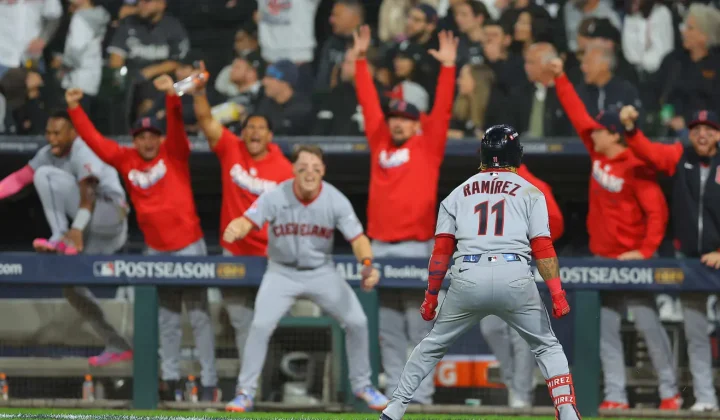
Guardians Force Winner-Take-All ALDS Game 5 With Six-Run Sixth Inning in Chicago
Cleveland scored six runs in the sixth inning to beat the White Sox 9-5 in Game 4 of the ALDS, setting up…
Read story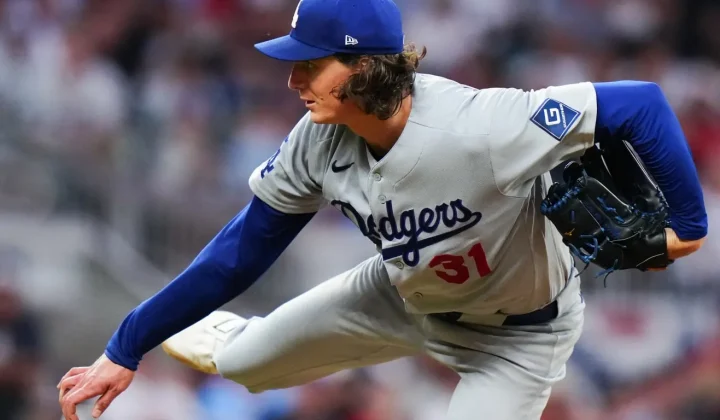
Dodgers Take Commanding 3-1 NLDS Lead Behind Glasnow’s Gritty Outing in Atlanta
Tyler Glasnow battled through command issues but limited Atlanta to one run over 4 2/3 innings as Los Angeles took a 3-1…
Read storyRelated wiki

MLB Wild Card Rules Explained: Format, Tiebreakers & Postseason Impact
How the MLB wild card works in the current postseason format, including tiebreaker procedures, the 3-game series structure, and what it means…
Read storyPlayoff race
Reference page for playoff race language, qualification lines, tiebreakers and games-in-hand context.
Read story