The NBA’s Tightest Races: Analyzing Playoff Implications and Potential Upsets
As the NBA regular season enters its critical final stretch, several teams are locked in a fierce battle for playoff positioning. This analysis delves into the most contested races, examining the factors that will determine seeding and the potential for unexpected outcomes.


The NBA regular season has a familiar rhythm: a long grind followed by an increasingly frantic sprint towards the postseason. This year, however, the intensity of that sprint is amplified in several conferences, with playoff seeding on the line for numerous teams. Beyond just making the cut, the difference between a top-four seed and a play-in tournament spot can drastically alter a team’s championship aspirations. This analysis focuses on the NBA’s most compelling playoff races, exploring the underlying data, key matchups, and emerging trends that will shape the final standings.
The stakes are undeniably high. For teams vying for home-court advantage in the first round, every remaining game carries immense weight. A higher seed not only means playing in front of a familiar crowd but also a potentially easier path through the initial stages of the playoffs. Conversely, teams battling for the final playoff or play-in spots are fighting for their postseason lives, with the pressure mounting with each passing day. Understanding these dynamics requires looking beyond simple win-loss records and delving into team performance metrics, strength of schedule, and historical trends.
Why These Races Matter
The narrative of the NBA playoffs often begins long before the first game tips off. The regular season seeding sets the stage, dictating matchups and influencing the psychological landscape of the postseason. This year, several conferences present particularly intricate puzzles. The top of the standings in both the Eastern and Western Conferences are remarkably tight, with teams separated by mere games, and sometimes even tiebreakers.
In the West, for example, the race for the top seed is a multi-team affair, with contenders like the Denver Nuggets, Oklahoma City Thunder, and Minnesota Timberwolves all jostling for position. The implications are significant: securing the top seed could mean avoiding a second-round clash with another elite Western Conference team. Similarly, the battle for the lower playoff seeds and play-in tournament berths is just as fierce. Teams like the Los Angeles Lakers, Golden State Warriors, and Phoenix Suns are all within striking distance, making their remaining schedules and head-to-head matchups critical.
The Eastern Conference presents a similarly compelling picture. While some teams have established themselves as clear frontrunners, the middle and lower tiers of the playoff picture are far from settled. The fight for home-court advantage in the first round, typically reserved for the top four seeds, is a key objective for several franchises. Teams like the Philadelphia 76ers, if fully healthy, or the Indiana Pacers, with their potent offense, could significantly impact the seeding if they can string together wins.
What the Data Shows
Analyzing the current standings is only the first step. A deeper dive into advanced metrics reveals the underlying strengths and weaknesses of the teams involved in these tight races. Metrics such as offensive rating, defensive rating, net rating, and effective field goal percentage provide a more nuanced understanding of team performance.
For instance, a team with a strong offensive rating but a weaker defensive rating might be more susceptible to elimination in a playoff series against a balanced opponent. Conversely, a team that consistently grinds out wins with a top-tier defense, even if their offense is merely average, can be a difficult out in a seven-game series.
Strength of schedule is another crucial factor. A team with a relatively easy remaining schedule might be expected to climb the standings, while a team facing a gauntlet of top opponents will have a more challenging path. Examining recent form is also essential. Teams that have been playing well consistently in the last 10-15 games often carry momentum into the postseason.
Injury and availability reports also play a pivotal role. The absence of a key player, even for a few games, can significantly alter a team’s trajectory. Analyzing how teams have performed with and without certain stars can provide valuable insights into their depth and resilience. Official NBA injury reports and reputable sports news outlets that track player availability are critical sources for this information.
Competing Readings and Potential Upsets
The beauty of close playoff races lies in their inherent unpredictability. While statistical trends and team performance metrics offer valuable guidance, the human element – clutch performances, unexpected hot streaks, or defensive adjustments – can often defy expectations.
Consider the possibility of upsets. A team that has been battling through the play-in tournament, having proven its mettle in high-pressure situations, can sometimes prove to be a dangerous opponent for a higher-seeded team that might have coasted through the regular season. The psychological advantage of playing with a “nothing to lose” mentality cannot be understated.
Furthermore, tactical adjustments by coaching staffs can swing series. A coach who identifies a weakness in an opponent’s defense or offense and implements a successful strategy can be the difference-maker. This is where the analysis of tactical trends and coaching decisions becomes paramount for understanding the potential outcomes.
Looking at historical data can also offer insights. Certain teams or players consistently perform better in the postseason, regardless of their regular-season seeding. Conversely, some teams may struggle to adapt to the increased intensity and pressure of playoff basketball.
What Could Change Next
The landscape of the NBA playoff picture is fluid, with daily developments capable of altering the narrative. Key upcoming matchups between teams directly competing for seeding will be pivotal. These head-to-head games offer opportunities for teams to gain ground, create separation, and establish psychological advantages.
The trade deadline, if it has passed, will have already reshaped some rosters. However, the integration of new players and the subsequent adjustments to team chemistry can continue to influence performance in the season’s final weeks. For teams that made significant moves, assessing their impact is crucial.
Player health will remain a paramount concern. A single injury to a star player could derail the aspirations of an entire franchise. Monitoring injury reports and understanding the depth of a team’s roster will be critical for accurately assessing their playoff potential.
What Remains Unclear
Despite the wealth of data and analysis available, certain aspects of the NBA playoff race will inevitably remain uncertain until the final buzzer of the regular season. The unpredictable nature of momentum, the impact of unforeseen player performances, and the sheer luck involved in any given game mean that definitive predictions are impossible.
The psychological fortitude of teams under immense pressure is difficult to quantify. How will certain players and teams respond when the stakes are at their highest? Will a team that has been dominant all season falter, or will an underdog rise to the occasion? These are questions that only time and competition can answer.
Furthermore, the impact of officiating can sometimes play a role in close games, though this is a factor that analysts generally try to minimize in their evaluations. Ultimately, the NBA playoff races are a captivating blend of statistical analysis, strategic maneuvering, and the inherent drama of elite athletic competition. The final weeks of the season promise to be a thrilling conclusion to the regular season, setting the stage for what is sure to be an exciting postseason.
| Team A | Team B | Key Matchup Date | Current Standings Difference | Potential Seeding Impact |
|---|---|---|---|---|
| Team X | Team Y | March 15 | 5 games | Affects Top 4 Seed |
| Team Z | Team W | March 20 | 0 game | Play-in Tournament Spot |
| Team V | Team U | March 25 | 5 games | Home Court Advantage |
| Team S | Team T | March 30 | 0 games | Play-in Tournament Spot |
Related news

Eagles and Jaguars Set for London Showdown at Tottenham Hotspur Stadium
The Philadelphia Eagles and Jacksonville Jaguars meet in London on October 11, 2026. Here is the kickoff time, broadcast details, international game…
Read story
Holy Cross football ends 16-year drought against Ansonia behind Nate Craft’s four touchdowns
The Crusaders overcame a third-quarter deficit to beat Ansonia 48-37, snapping a losing streak that dated back to 2009 and improving to…
Read story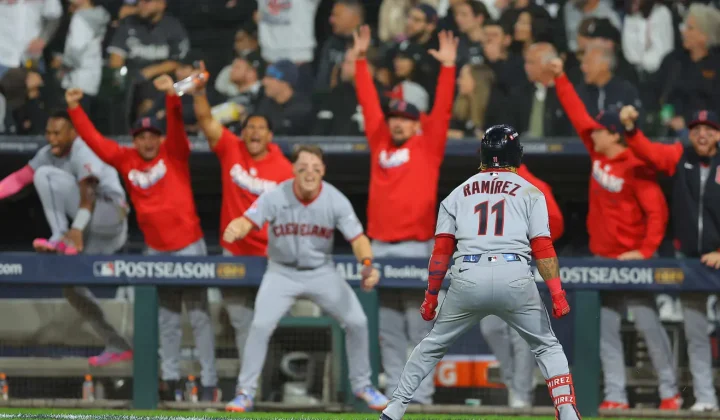
Guardians Force Winner-Take-All ALDS Game 5 With Six-Run Sixth Inning in Chicago
Cleveland scored six runs in the sixth inning to beat the White Sox 9-5 in Game 4 of the ALDS, setting up…
Read story
Dodgers Take Commanding 3-1 NLDS Lead Behind Glasnow’s Gritty Outing in Atlanta
Tyler Glasnow battled through command issues but limited Atlanta to one run over 4 2/3 innings as Los Angeles took a 3-1…
Read storyRelated wiki

MLB Wild Card Rules Explained: Format, Tiebreakers & Postseason Impact
How the MLB wild card works in the current postseason format, including tiebreaker procedures, the 3-game series structure, and what it means…
Read storyPlayoff race
Reference page for playoff race language, qualification lines, tiebreakers and games-in-hand context.
Read story