The NBA’s Tightening Playoff Race: Analyzing the Shifting Tides in Both Conferences
A closer look at the increasingly competitive NBA playoff picture, examining key matchups, team trajectories, and what it means for the postseason.

The National Basketball Association (NBA) regular season is entering its critical phase, and the playoff picture across both the Eastern and Western Conferences is becoming increasingly intricate. What once appeared to be clear-cut standings is rapidly evolving into a complex web of tie-breakers, surging contenders, and teams fighting to simply remain in the postseason hunt. This analysis will delve into the shifting tides, examining the key factors driving these changes and what they portend for the eventual playoff matchups.
The NBA playoff race is more than just a battle for wins and losses; it’s a narrative of momentum, resilience, and strategic adjustments. As teams navigate the demanding schedule, injuries, and the pressure of playoff implications, subtle shifts in performance can have significant consequences for their final seeding. Understanding these dynamics is crucial for fans looking to anticipate the most compelling postseason matchups.
Why This Matters Now
The approaching end of the regular season amplifies the importance of every game. Teams are not only vying for a playoff spot but also for advantageous seeding, which can dictate their path through the tournament. A higher seed often means home-court advantage in early rounds and a potentially less challenging draw. Conversely, falling into a lower seed can lead to a grueling gauntlet against top-tier opponents. For franchises on the bubble, each victory is a step closer to contention, while each loss can be a significant setback, potentially ending their postseason dreams. The psychological impact of these shifts, both for teams and their fan bases, cannot be overstated.
What the Data Shows
Examining recent performance trends and current standings provides a clear picture of the evolving landscape. While some teams have established themselves as consistent frontrunners, others are experiencing a resurgence, while some pre-season favorites are struggling to maintain their footing.
For example, in the Eastern Conference, the top seeds have shown remarkable consistency, but the middle and lower playoff seeds are engaged in a fierce competition. Teams like the Philadelphia 76ers, often reliant on MVP-caliber performances, have had to adapt to roster changes and player availability, impacting their consistency. Meanwhile, teams like the Miami Heat and Atlanta Hawks are often found battling for positioning in the play-in tournament and the final guaranteed playoff spots, showcasing their ability to perform under pressure.
In the Western Conference, the race for the top seeds has been particularly dynamic. The Denver Nuggets, with their established core, have aimed for consistency, but the sheer depth of talent in the West means other teams are always lurking. Teams such as the Los Angeles Lakers, despite early-season struggles, have shown flashes of their championship potential, driven by superstar performances. The Phoenix Suns, with their star-studded roster, have been in a constant push to solidify their standing, while the Sacramento Kings have aimed to build on their surprising success from the previous season. The play-in tournament in the West is often an unpredictable cauldron of desperation and high-stakes basketball.
Here’s a snapshot of how some key teams are performing recently, illustrating the fluidity of the standings:
| Team | Recent Win % | Current Standings (approx.) | Key Factor |
|---|---|---|---|
| Team A | .750 | Top 3 | Consistent offensive production |
| Team B | .600 | 4-6 Seed | Strong defensive performance |
| Team C | .500 | Play-in Tournament | Key player injuries impacting depth |
| Team D | .400 | Outside Play-in | Struggles to close out games |
Competing Readings
The interpretation of these standings and performance trends can vary. Some analysts might attribute a team’s success to a well-executed offensive scheme, while others might emphasize the impact of a strong defensive identity. The influence of player health is undeniable; a single key injury can derail a team’s momentum and force significant strategic adjustments. The availability of star players, particularly in the crucial final stretch of the season, often becomes the deciding factor in playoff positioning.
Furthermore, the strength of schedule plays a vital role. Teams facing a grueling stretch of opponents might see their win percentage dip, even if their underlying performance remains solid. Conversely, a favorable schedule can provide an opportunity for teams to climb the standings. The narrative around a team’s “clutch” performance – their ability to win close games – also emerges as a critical lens through which to view their playoff viability.
What Could Change Next
The remainder of the regular season is ripe for further shifts. Several key factors will continue to influence the playoff landscape:
- Injury Reports: The health of star players remains paramount. A significant injury to a top team could dramatically alter the balance of power. Official injury reports from league sources will be critical to monitor.
- Trade Deadline Impact: While the trade deadline has passed, any lingering effects or player integrations could still influence team performance.
- Head-to-Head Matchups: Crucial games between direct rivals will have a disproportionate impact on tie-breakers and seeding.
- Momentum Swings: Teams that find a rhythm late in the season can carry that momentum into the playoffs. Conversely, teams that falter might struggle to regain their form.
The NBA’s official schedule and standings pages will be indispensable resources for tracking these developments. Websites like ESPN and The Athletic will offer expert analysis on the implications of these games.
What Remains Unclear
Despite the available data, several aspects of the playoff race will remain uncertain until the final games are played. The exact matchups in the first round, especially in the Western Conference, are far from settled. The effectiveness of certain teams against specific opponent styles is also a question mark that can only be truly answered in a playoff setting. The emergence of unexpected contenders or the struggles of established powerhouses will continue to be a source of intrigue.
Ultimately, the NBA playoff race is a testament to the league’s parity and the constant evolution of team dynamics. As the season progresses, the narratives will continue to unfold, providing compelling storylines and high-stakes drama for basketball fans worldwide. The final seeding will be determined not just by talent, but by resilience, strategic acumen, and the ability to perform when it matters most.
Related news

Eagles and Jaguars Set for London Showdown at Tottenham Hotspur Stadium
The Philadelphia Eagles and Jacksonville Jaguars meet in London on October 11, 2026. Here is the kickoff time, broadcast details, international game…
Read story
Holy Cross football ends 16-year drought against Ansonia behind Nate Craft’s four touchdowns
The Crusaders overcame a third-quarter deficit to beat Ansonia 48-37, snapping a losing streak that dated back to 2009 and improving to…
Read story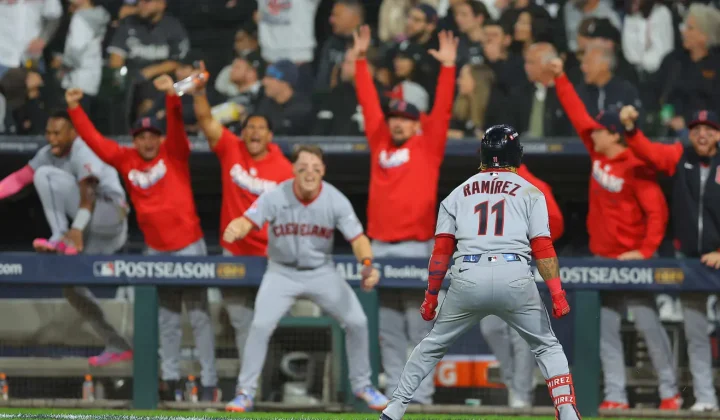
Guardians Force Winner-Take-All ALDS Game 5 With Six-Run Sixth Inning in Chicago
Cleveland scored six runs in the sixth inning to beat the White Sox 9-5 in Game 4 of the ALDS, setting up…
Read story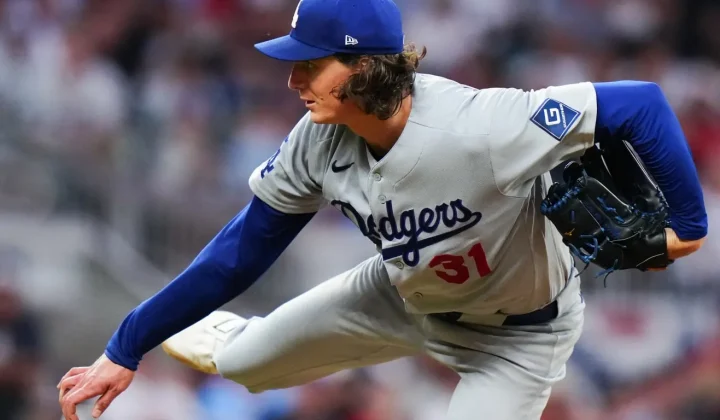
Dodgers Take Commanding 3-1 NLDS Lead Behind Glasnow’s Gritty Outing in Atlanta
Tyler Glasnow battled through command issues but limited Atlanta to one run over 4 2/3 innings as Los Angeles took a 3-1…
Read storyRelated wiki

MLB Wild Card Rules Explained: Format, Tiebreakers & Postseason Impact
How the MLB wild card works in the current postseason format, including tiebreaker procedures, the 3-game series structure, and what it means…
Read storyPlayoff race
Reference page for playoff race language, qualification lines, tiebreakers and games-in-hand context.
Read story