The NBA Playoff Race: Unpacking the Tightening Contenders and Shifting Momentum
As the NBA regular season enters its critical phase, several playoff races are heating up. This analysis examines the key factors influencing these battles, from key injuries to schedule strengths, and what it means for fan anticipation.


The National Basketball Association is a league built on narratives, and as the regular season calendar pages towards its conclusion, few stories captivate fans more than the intense playoff races unfolding across both conferences. This period, often dubbed “the stretch run,” is where teams either solidify their postseason aspirations or watch them slip away. The convergence of several factors – from critical player availability to the nuanced impact of remaining schedules – creates a dynamic environment where standings can shift dramatically week by week. This column aims to dissect the current playoff picture, exploring the underlying data and contextual elements that define these crucial battles for seeding and survival.
The stakes are undeniably high. For teams vying for a top-six seed, the goal is to avoid the play-in tournament and secure a guaranteed seven-game series. For those in the play-in range, every win is essential to simply extend their season. Understanding these dynamics requires looking beyond the win-loss column and delving into the factors that truly drive team performance and playoff probabilities.
Why the Playoff Race Matters
The NBA playoff race is more than just a statistical exercise; it’s the heartbeat of the league’s late regular season. For fans, it provides immense drama and raises the stakes for every remaining game. Teams that have struggled for much of the year can find new life, while perennial contenders are forced to confront potential early exits. This heightened competition directly influences viewership, engagement, and the overall narrative surrounding the league.
Furthermore, playoff seeding has a profound impact on a team’s championship aspirations. A higher seed often means a more favorable path through the postseason, avoiding stronger opponents in earlier rounds and potentially securing home-court advantage. The difference between a top-four seed and a play-in spot can be the difference between a deep playoff run and a swift elimination. The current standings on the official NBA website (https://www.nba.com/standings) offer a snapshot, but the true story lies in the trends and influences shaping these positions.
What Sources Show
Examining the current NBA standings, several races stand out. In the Eastern Conference, the battle for the final few automatic playoff spots and the play-in berths is particularly fierce. Teams like the Philadelphia 76ers, Indiana Pacers, and Miami Heat are often clustered together, with their respective performances heavily influenced by the availability of key personnel. The NBA’s official injury report (https://www.nba.com/news/injury-report) becomes a critical resource during this period, as a single significant injury can derail a team’s momentum.
Similarly, the Western Conference playoff picture is a complex web of contenders. The chase for positioning behind the top seeds involves teams like the Phoenix Suns, Los Angeles Lakers, and Golden State Warriors, all of whom possess championship pedigree but have faced inconsistencies. Analysis from trusted sources like ESPN (https://www.espn.com/nba/standings) and The Athletic (https://theathletic.com/nba/) often provide deeper dives into team metrics, strength of schedule, and predictive analytics that shed light on which teams are overperforming or underperforming their underlying data.
A crucial element in assessing the playoff race is the strength of schedule for the remaining games. Teams facing a gauntlet of top opponents will have a tougher road than those with a softer draw. This factor, combined with home/road splits and travel fatigue, can significantly alter playoff probabilities.
Competing Readings
While the standings provide a clear visual, there are always competing narratives surrounding the playoff contenders. One team might be on a winning streak, appearing to be peaking at the right time. However, a closer look at their schedule might reveal that they’ve faced a series of weaker opponents. Conversely, a team on a losing skid might have faced a brutal stretch of games against elite competition, and their underlying performance metrics might suggest they are still a formidable opponent.
The impact of injuries is another area where interpretations can differ. Is a team’s recent struggles solely due to the absence of a star player, or are there deeper systemic issues that the injury has merely exposed? The official injury report is vital, but understanding the tactical adjustments made in the absence of key players, and their effectiveness, requires more nuanced analysis. The Athletic often provides this level of detail, dissecting tactical trends and player roles.
Furthermore, the concept of “momentum” itself can be subjective. While a winning streak is a clear indicator, the psychological impact of a significant comeback win or a heartbreaking last-second loss can also play a role, albeit one that is harder to quantify. Betting markets, while not a direct source for this analysis, can also offer insights into public perception and perceived team strength, though these should be treated as secondary context and not definitive indicators.
What Could Change Next
The beauty of the NBA playoff race is its inherent unpredictability. Several factors could dramatically alter the landscape in the coming weeks:
- Key Player Returns: The return of star players from injury can instantly elevate a team’s status and alter seeding. For example, a healthy Joel Embiid returning for the 76ers would significantly bolster their playoff prospects.
- Trade Deadline Moves: While the trade deadline has passed, any significant waiver wire acquisitions or buyouts could still have an impact on the fringes of the playoff picture.
- Schedule Surprises: Upsets against top teams by lower-ranked squads can create ripple effects, tightening races and creating new opportunities.
- Coaching Adjustments: Teams might find new tactical approaches or rotations that unlock their potential as the season winds down.
The dynamic nature of the league means that a team that looks secure one week could find itself in a precarious position the next. This is why continuous monitoring of official league data and trusted sports analysis is crucial.
What Remains Unclear
Despite the wealth of data available, certain aspects of the playoff race will inevitably remain unclear until the final buzzer of the regular season.
- True Championship Contenders: While teams may occupy high seeds, their true championship potential often isn’t fully revealed until the intensity of the playoffs. Some teams may be built for the regular season grind but lack the adaptability for the postseason.
- The “Dark Horse” Factor: There’s always a possibility of a team unexpectedly catching fire and making a deep run, defying pre-season expectations and regular-season trends.
- The Impact of Load Management: As teams secure playoff berths, the decision to rest key players in meaningless games can become a factor, potentially impacting betting lines and the competitive integrity of those contests, though this is outside the scope of this analysis.
The NBA playoff race is a compelling narrative arc that unfolds over months, driven by skill, strategy, and a healthy dose of unpredictability. By examining official data, understanding schedule complexities, and considering the impact of player availability, fans can gain a deeper appreciation for the drama and intrigue of the league’s most crucial stretch.
| Team | Current Seed (Example) | Remaining Strength of Schedule (Example) | Key Factor to Watch |
|---|---|---|---|
| Eastern Contender A | 5 | Moderate | Player Availability |
| Eastern Contender B | 7 | High | Road Performance |
| Western Contender C | 6 | Moderate | Recent Offensive Output |
| Western Contender D | 9 | Low | Defensive Consistency |
Related news
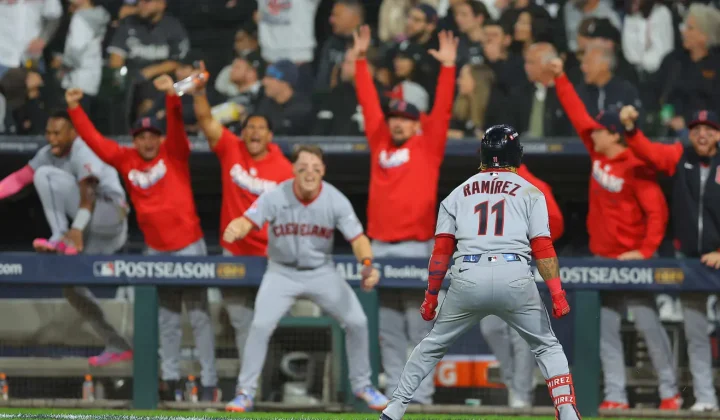
Guardians Force Winner-Take-All ALDS Game 5 With Six-Run Sixth Inning in Chicago
Cleveland scored six runs in the sixth inning to beat the White Sox 9-5 in Game 4 of the ALDS, setting up…
Read story
Dodgers Take Commanding 3-1 NLDS Lead Behind Glasnow’s Gritty Outing in Atlanta
Tyler Glasnow battled through command issues but limited Atlanta to one run over 4 2/3 innings as Los Angeles took a 3-1…
Read story
Braves Face Elimination as Dodgers Seek NLCS Berth in Game 4 NLDS Showdown
The Atlanta Braves host the Los Angeles Dodgers in a pivotal Game 4 of the National League Division Series on Wednesday night.…
Read story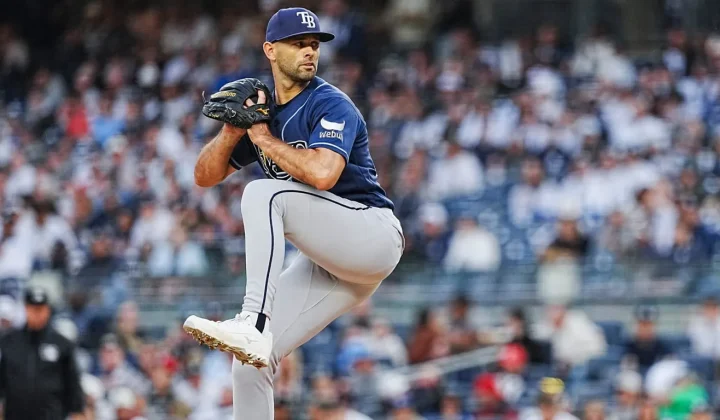
Nick Martinez Returns to Yankee Stadium as Rays Seek ALDS Sweep in Game 3
Tampa Bay right-hander Nick Martinez, who once got ejected from Yankee Stadium as a college fan, starts ALDS Game 3 against New…
Read storyRelated wiki

MLB Wild Card Rules Explained: Format, Tiebreakers & Postseason Impact
How the MLB wild card works in the current postseason format, including tiebreaker procedures, the 3-game series structure, and what it means…
Read storyPlayoff race
Reference page for playoff race language, qualification lines, tiebreakers and games-in-hand context.
Read story