The NBA’s Tightening Playoff Race: Who’s Gaining Momentum?
As the NBA season progresses, several teams are making significant pushes towards the postseason, while others are struggling to maintain their grip. This analysis delves into the shifting dynamics of the playoff picture, examining key factors influencing team performance and outlook.


The National Basketball Association’s regular season is a marathon, not a sprint, and as we approach the critical latter stages, the playoff picture begins to sharpen, revealing which teams are building momentum and which are faltering. This year’s landscape is particularly compelling, with several established contenders facing challenges from rising teams. Understanding these shifts is crucial for any fan looking to decipher the evolving narrative of the NBA postseason.
The race for playoff seeding is more than just a matter of wins and losses; it’s a complex interplay of team chemistry, player health, schedule strength, and tactical adjustments. While some teams have consistently occupied top spots, others are making late-season surges, creating a dynamic and often unpredictable environment. This analysis will explore the key factors driving these changes, the implications for both conference races, and what fans can expect as the regular season winds down.
Why This Matters Now
The current juncture of the NBA season is pivotal. Teams have largely established their identities, and any significant moves – whether through trades, tactical overhauls, or simply finding a rhythm – can have a profound impact on their playoff aspirations. For fans, this period offers a glimpse into potential postseason matchups and the narratives that will define the championship chase. A team hitting its stride in March or April often carries that momentum into the playoffs, while a squad limping to the finish line can find its postseason hopes quickly extinguished. Identifying these trends early can provide valuable insight into which teams are truly built for a deep playoff run.
What the Standings Show
Examining the current NBA standings reveals a clear stratification in both the Eastern and Western Conferences, but with notable movement within the middle and lower playoff seeds. Teams like the Denver Nuggets and Boston Celtics have largely maintained their dominance, showcasing consistency and depth. However, the chase for positioning below the top seeds is where much of the intrigue lies.
In the West, teams such as the Los Angeles Lakers and Golden State Warriors, despite periods of inconsistency, are often in a position to make a late push, leveraging star power. Meanwhile, the Sacramento Kings and Phoenix Suns have demonstrated periods of strong form, highlighting the competitive nature of the conference. The Eastern Conference mirrors this intensity, with the Philadelphia 76ers and Milwaukee Bucks vying for top positions, while teams like the Miami Heat and Indiana Pacers are firmly in the mix for playoff berths, often navigating tight schedules and injury concerns.
| Conference | Top Seed (Projected) | Mid-Seed Contenders | Lower Seed/Play-In Contenders |
|---|---|---|---|
| Eastern | Boston Celtics | New York Knicks, Cleveland Cavaliers | Miami Heat, Indiana Pacers, Philadelphia 76ers (if not top seed) |
| Western | Denver Nuggets | Minnesota Timberwolves, Oklahoma City Thunder | Los Angeles Lakers, Golden State Warriors, Sacramento Kings, Phoenix Suns |
Note: Standings are subject to change based on ongoing game results.
Competing Readings of Team Performance
While the standings provide a quantitative snapshot, a qualitative analysis of team performance reveals more nuanced stories. Injuries have played a significant role for several franchises. The health of key players, such as Joel Embiid for the 76ers or Stephen Curry for the Warriors at various points, can dramatically alter a team’s trajectory. Beyond injuries, coaching adjustments and tactical shifts are also critical. Teams that successfully implement new defensive schemes or offensive sets can find an unexpected edge.
For instance, a team that struggled with late-game execution might have found renewed composure through dedicated practice and film study. Conversely, teams that rely heavily on a single star player can become vulnerable if that player faces increased defensive pressure or a brief slump. The “schedule spot” – playing against tired opponents or having a string of home games – can also artificially inflate or deflate a team’s perceived momentum. It’s crucial to differentiate between genuine, sustainable improvement and short-term luck.
What Could Change Next
The remaining schedule is a major determinant of future shifts. Teams facing a gauntlet of tough opponents will find it harder to maintain their current standing, while those with a more favorable run may climb the ladder. Player availability remains paramount; a single key injury could derail a team’s playoff hopes, while the return of a star player could catalyze a significant turnaround.
Furthermore, the NBA trade deadline, if it has passed, has already reshaped some teams. However, the integration of new players and the subsequent adjustments by established rosters can take time, meaning the full impact of trade-deadline moves may still be unfolding. We could also see teams that were previously underperforming begin to gel, finding their optimal lineup and rhythm as the pressure of the postseason mounts. The psychological aspect of the playoff race cannot be overstated; teams that develop resilience and clutch performance capabilities will naturally gain an advantage.
What Remains Unclear
Despite the available data and analysis, several aspects of the playoff race remain uncertain. The true ceiling for some of the younger, emerging teams is still being tested. Can teams like the Oklahoma City Thunder sustain their impressive early-season form against more experienced playoff opponents? Conversely, can veteran-laden teams like the Lakers or Warriors consistently overcome their mid-season struggles and replicate their championship-level play?
The impact of specific matchups in potential playoff series is also difficult to predict with certainty. While regular-season results offer clues, playoff basketball is a different beast, often characterized by intense adjustments and a heightened level of competition. The influence of officiating, late-game calls, and even sheer luck in crucial moments will undoubtedly play a role. Ultimately, while trends and data provide a strong framework for understanding the NBA playoff race, the inherent unpredictability of sports ensures that the most compelling narratives often unfold in real-time. Fans should continue to monitor team news, injury reports, and head-to-head matchups as the regular season draws to a close.
Related news
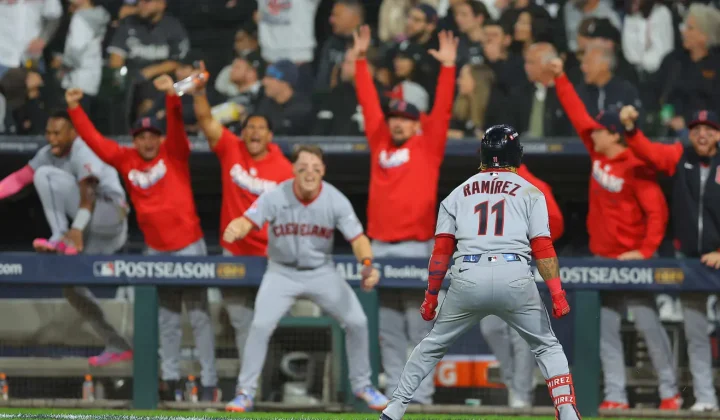
Guardians Force Winner-Take-All ALDS Game 5 With Six-Run Sixth Inning in Chicago
Cleveland scored six runs in the sixth inning to beat the White Sox 9-5 in Game 4 of the ALDS, setting up…
Read story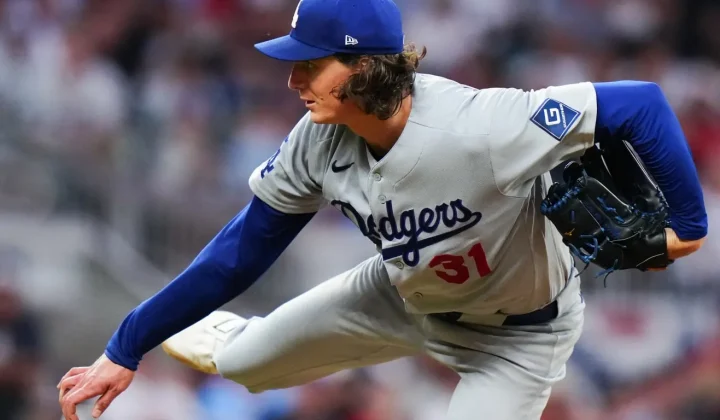
Dodgers Take Commanding 3-1 NLDS Lead Behind Glasnow’s Gritty Outing in Atlanta
Tyler Glasnow battled through command issues but limited Atlanta to one run over 4 2/3 innings as Los Angeles took a 3-1…
Read story
Braves Face Elimination as Dodgers Seek NLCS Berth in Game 4 NLDS Showdown
The Atlanta Braves host the Los Angeles Dodgers in a pivotal Game 4 of the National League Division Series on Wednesday night.…
Read story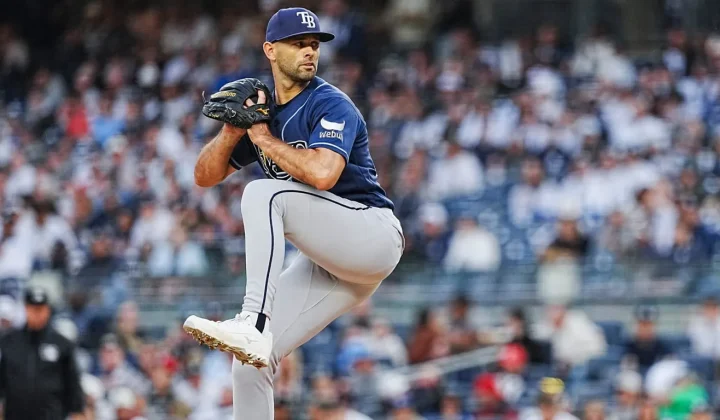
Nick Martinez Returns to Yankee Stadium as Rays Seek ALDS Sweep in Game 3
Tampa Bay right-hander Nick Martinez, who once got ejected from Yankee Stadium as a college fan, starts ALDS Game 3 against New…
Read storyRelated wiki

MLB Wild Card Rules Explained: Format, Tiebreakers & Postseason Impact
How the MLB wild card works in the current postseason format, including tiebreaker procedures, the 3-game series structure, and what it means…
Read storyPlayoff race
Reference page for playoff race language, qualification lines, tiebreakers and games-in-hand context.
Read story