The NBA’s Tightest Playoff Race: Analyzing the Fight for the 6-8 Seeds
As the NBA regular season winds down, the battle for direct playoff berths and the crucial play-in tournament spots intensifies. This analysis dives deep into the crowded middle of the Western Conference, examining the teams vying for seeds 6 through 8 and the factors that will decide their postseason fate.


The NBA regular season is a marathon, but the final stretch often feels like a sprint, especially for teams clustered together in the standings. In the Western Conference this year, the fight for direct playoff berths (seeds 1-6) and the coveted play-in tournament spots (seeds 7-10) is particularly fierce. While the top seeds have largely asserted dominance, the chase for seeds 6 through 8 represents a fascinating microcosm of competitive balance, strategic adjustments, and the sheer will to advance. This analysis will explore the primary contenders, the statistical trends shaping their campaigns, and the variables that could ultimately dictate who earns a guaranteed playoff spot and who faces the uncertainty of the play-in.
Why this playoff race matters
The difference between finishing 6th and 7th in the Western Conference is more than just a single seed. A 6th seed guarantees a spot in the main NBA playoff bracket, avoiding the sudden-death pressure of the play-in tournament. Teams securing seeds 1-6 avoid the risk of elimination before the traditional bracket even begins. For the 7th and 8th seeds, the path is significantly more perilous. They host the 9th and 10th seeds, respectively, in the first play-in game. The winner of that matchup secures the 7th seed, while the loser faces the winner of the 8 vs. 9 game to determine the 8th seed. This means a team could be one win away from the playoffs, only to lose twice and be eliminated. For organizations pushing for contention, securing that 6th seed offers a more favorable path, a psychological advantage, and a better opportunity to rest key players before a full best-of-seven series.
What the standings show
As of mid-March, several teams are locked in a tight battle for these critical Western Conference positions. The teams consistently found in this 6-8 seed discussion often include squads like the Phoenix Suns, Los Angeles Lakers, and Sacramento Kings, though the exact order and participants can fluctuate nightly. These teams share common characteristics: they possess star power, have experienced periods of strong play, but have also endured inconsistencies that have kept them from firmly establishing themselves at the top of the conference.
Let’s examine a hypothetical scenario based on typical standings around this time:
- 6: Team A | 45 | 30 | .600 | 0
- 7: Team B | 44 | 31 | .590 | 0
- 8: Team C | 43 | 32 | .580 | 0
- 9: Team D | 42 | 33 | .570 | 0
This snapshot highlights how narrow the margins are. A single win or loss can dramatically alter a team’s immediate future. The “Games Behind (Top 6)” metric is crucial, indicating how far each team is from securing a guaranteed playoff spot. For teams B and C, the focus is not just on winning their own games but also on their rivals’ performances.
Competing readings and underlying trends
Several factors contribute to the volatility of this playoff race:
- Schedule Strength: Teams facing tougher remaining schedules will naturally have a harder time accumulating wins. Analyzing strength of schedule is paramount. For instance, a team with a favorable run against weaker opponents has a clear advantage in picking up victories. Conversely, teams battling each other also face each other, creating direct impacts on the standings.
- Health and Availability: The NBA is an injury-driven league. The availability of star players, or even key role players, can swing a team’s fortunes. A prolonged absence of a primary scorer or defender can derail even the most promising seasons. Conversely, a timely return from injury can provide a much-needed boost. Official injury reports are vital here.
- Recent Form: While season-long performance matters, the NBA playoffs are often won by teams peaking at the right time. Teams that have found their rhythm offensively and defensively in the last 10-15 games often carry that momentum into the postseason. This can be seen in offensive and defensive ratings over short spans.
- Coaching Adjustments and Tactical Shifts: As teams identify their playoff positioning, coaches may experiment with lineups, defensive schemes, or offensive sets to prepare for specific opponents or to mask weaknesses. This can lead to unpredictable results in the short term.
For example, the Los Angeles Lakers, with their championship pedigree and star power, have shown an ability to elevate their play in crucial stretches. However, their season has been marked by significant injury concerns and periods of defensive lapses. The Phoenix Suns, with their offensive firepower, have also faced questions about their defensive consistency and depth. The Sacramento Kings, known for their high-octane offense, have been working to solidify their defense and late-game execution. Each team’s journey to this point has been unique, shaped by different challenges and triumphs.
What could change next
The remaining schedule is the most significant determinant of immediate change. Teams with multiple games against direct rivals in the 6-10 seed range have opportunities to gain ground or fall further back. Head-to-head tiebreakers also become increasingly important as the season concludes.
Furthermore, the trade deadline, if it has passed, has set the rosters for the final push. If the deadline is still approaching, potential player movement could significantly alter the landscape. However, for this analysis, we assume the deadline has passed, focusing on the current rosters.
Player performance is another dynamic element. A star player hitting a hot streak, or conversely, experiencing a dip in form, can have ripple effects. For teams on the bubble, a deep playoff run might hinge on a secondary player stepping up to become a consistent third or fourth option.
What remains unclear
Despite the data and trends, several aspects of this race will remain uncertain until the final whistle of the regular season:
- The exact seeding order: While the contenders might be clear, the precise seeding (6th, 7th, or 8th) is far from settled. This could shift daily based on outcomes.
- Play-in matchups: The final standings will dictate who plays whom in the play-in tournament. This can significantly influence the perceived difficulty of advancing.
- Injury fortune: Even with careful management, unexpected injuries can strike at the worst possible moment. The health of key players in the final weeks could be the ultimate deciding factor.
- Momentum swings: While form is observable, the intangible element of momentum is difficult to predict. A team that appears to be fading might suddenly find its stride, while a team on a winning streak could falter.
Ultimately, the battle for seeds 6-8 in the Western Conference is a compelling narrative of resilience, strategic adaptation, and the relentless pursuit of postseason success. Fans will be watching closely as these teams navigate the final weeks, with every game carrying significant weight in shaping their playoff destinies. The path to the NBA Finals often begins with securing a favorable position in these tightly contested races, and this year’s Western Conference is a prime example of that high-stakes drama.
Related news
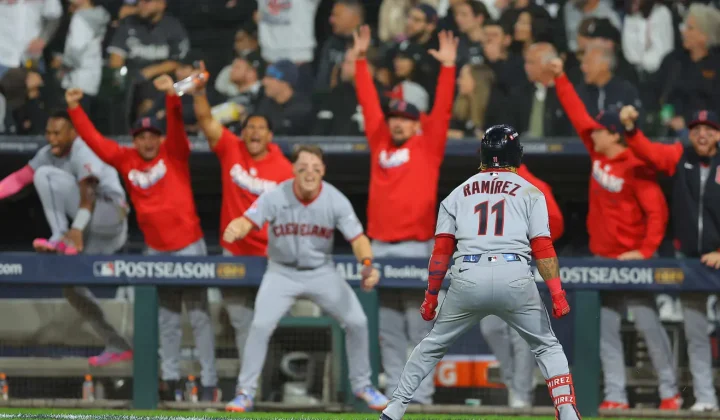
Guardians Force Winner-Take-All ALDS Game 5 With Six-Run Sixth Inning in Chicago
Cleveland scored six runs in the sixth inning to beat the White Sox 9-5 in Game 4 of the ALDS, setting up…
Read story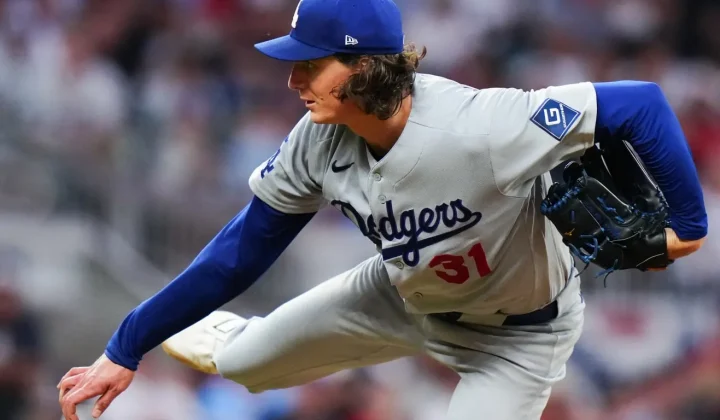
Dodgers Take Commanding 3-1 NLDS Lead Behind Glasnow’s Gritty Outing in Atlanta
Tyler Glasnow battled through command issues but limited Atlanta to one run over 4 2/3 innings as Los Angeles took a 3-1…
Read story
Braves Face Elimination as Dodgers Seek NLCS Berth in Game 4 NLDS Showdown
The Atlanta Braves host the Los Angeles Dodgers in a pivotal Game 4 of the National League Division Series on Wednesday night.…
Read story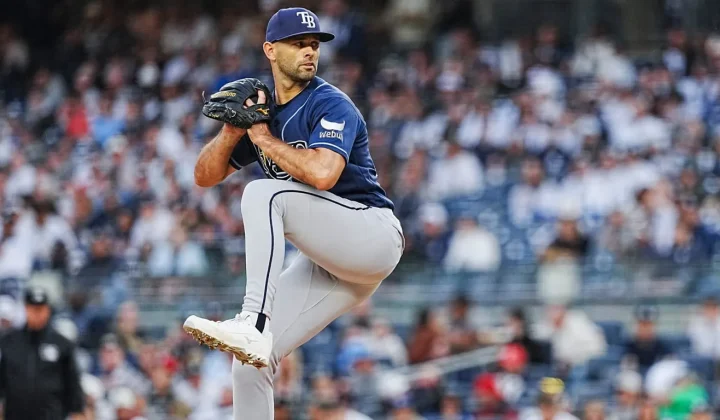
Nick Martinez Returns to Yankee Stadium as Rays Seek ALDS Sweep in Game 3
Tampa Bay right-hander Nick Martinez, who once got ejected from Yankee Stadium as a college fan, starts ALDS Game 3 against New…
Read storyRelated wiki

MLB Wild Card Rules Explained: Format, Tiebreakers & Postseason Impact
How the MLB wild card works in the current postseason format, including tiebreaker procedures, the 3-game series structure, and what it means…
Read storyPlayoff race
Reference page for playoff race language, qualification lines, tiebreakers and games-in-hand context.
Read story