The NBA’s Tightening Playoff Race: Examining the Shifting Tides in the Eastern and Western Conferences
As the NBA season progresses, several teams are making significant moves in the standings, creating a dynamic and unpredictable playoff picture in both conferences. This analysis delves into the key factors influencing these shifts and what they mean for the postseason.

The National Basketball Association (NBA) season is often defined by its intense playoff races, and the current campaign is proving no exception. With numerous teams jockeying for position in both the Eastern and Western Conferences, the landscape of the postseason picture is in constant flux. This analysis will explore the key factors contributing to these shifting tides, examine the implications for competing teams, and consider what remains to be confirmed as the regular season winds down.
The NBA playoff race is a perennial source of drama, but certain seasons present a more compelling narrative due to the parity and unexpected ascents or descents of teams. Understanding these shifts requires looking beyond just the win-loss column to consider underlying trends, schedule difficulties, and crucial head-to-head matchups. For fans and analysts alike, deciphering these movements offers insight into team strengths, weaknesses, and their potential to make noise in the postseason.
Why the Shifting Tides Matter
The dynamics of the NBA playoff race have significant implications for several reasons. Firstly, seeding is paramount. A higher seed often guarantees home-court advantage in the early rounds, a tangible benefit that can influence series outcomes. Teams fighting for a top-four seed are not just aiming for a better matchup but also for the psychological edge of playing in front of their home crowd.
Secondly, the “play-in tournament” has added another layer of complexity. Teams that might have once been comfortably in the playoff picture but slipped into the 7-10 seeds now face the added pressure of needing to win one or two additional games to secure a spot in the main bracket. This can create a different kind of urgency for teams on the bubble.
Finally, the narrative of the season is shaped by these races. Unexpected contenders emerging or perennial powerhouses faltering creates compelling storylines that engage fanbases and media. The battle for playoff berths often overshadows other aspects of the season, driving viewership and discussion.
What the Standings Show
Examining the current standings reveals distinct trends in both conferences. In the Eastern Conference, a familiar group of contenders like the Boston Celtics and Milwaukee Bucks often occupy top spots, but the middle and lower seeds are frequently a revolving door. Teams like the Philadelphia 76ers, Cleveland Cavaliers, and even emerging squads are battling for playoff positioning, with injuries and key player availability playing a significant role.
The Western Conference often presents an even more crowded and competitive scenario. Historically, teams like the Los Angeles Lakers and Golden State Warriors have been dominant forces, but the rise of teams such as the Denver Nuggets, Memphis Grizzlies, and Phoenix Suns has created a deep and challenging field. The sheer number of teams with winning records in the West means that even a slight dip in form can result in a substantial drop in the standings.
Here’s a snapshot of how the standings can look, illustrating potential close races (note: these are illustrative and will change):
| Rank | Eastern Conference (Example) | Wins | Losses |
|---|---|---|---|
| 1 | Team A | 45 | 20 |
| 2 | Team B | 43 | 22 |
| 3 | Team C | 41 | 24 |
| 4 | Team D | 40 | 25 |
| 5 | Team E | 39 | 26 |
| 6 | Team F | 38 | 27 |
| 7 | Team G | 36 | 29 |
| 8 | Team H | 35 | 30 |
| 9 | Team I | 34 | 31 |
| 10 | Team J | 33 | 32 |
Source: Illustrative standings based on typical NBA season progression.
Competing Readings and Contributing Factors
Several factors contribute to the fluidity of the NBA playoff race. One of the most significant is team health. A key injury to a star player can derail a team’s momentum and cause a cascade of losses, impacting their seeding and even their playoff aspirations. Conversely, a team that manages to stay healthy and integrate players returning from injury can surge up the standings.
Schedule strength also plays a crucial role. Teams facing a gauntlet of difficult opponents during a particular stretch of the season may see their records suffer, while those with a more favorable run can capitalize and gain ground. Analyzing upcoming schedules can provide a predictive element to the playoff race.
Mid-season trades and acquisitions can also dramatically alter a team’s fortunes. A well-executed trade can bring in a player who fills a critical need, boosts offensive firepower, or strengthens defensive capabilities, thereby improving a team’s overall standing. The NBA trade deadline is often a pivotal moment that reshapes the playoff picture.
Furthermore, coaching adjustments and tactical shifts can lead to improved performance. Teams that find a rhythm, refine their offensive or defensive schemes, or develop better chemistry often see positive results that impact their win-loss record.
What Could Change Next
As the season progresses towards its conclusion, several potential shifts could still occur. Teams that are currently hovering around the .500 mark in the Western Conference, for instance, are particularly vulnerable to a losing streak that could drop them out of play-in contention entirely. Conversely, any of these teams could go on a hot streak and climb into a guaranteed playoff spot.
In the Eastern Conference, the battle for the lower seeds and play-in spots is often the most intense. A few key wins down the stretch could see teams leapfrog others, creating a different set of matchups for the postseason. The performance of teams with established playoff experience versus those making a recent breakthrough will also be a storyline to watch.
The impact of players returning from longer-term injuries will be critical. A team that has been treading water without a key contributor could see a significant boost in performance once that player is back on the court, potentially altering their seeding and overall outlook.
What Remains Unclear
Despite the analysis of current trends, several aspects of the NBA playoff race remain unclear. The long-term health of star players is always a question mark; a sudden injury could change the trajectory of multiple teams. Predicting the exact outcomes of close games down the stretch is notoriously difficult, as individual performances and clutch moments can swing results unexpectedly.
The effectiveness of teams in high-pressure playoff environments is another unknown. Some teams perform exceptionally well under the bright lights of the postseason, while others struggle to adapt. The matchups that emerge will also play a role; a team that matches up well against one opponent might struggle against another.
Ultimately, the NBA playoff race is a dynamic entity that rewards consistency, resilience, and timely performance. While current standings offer a snapshot, the final picture will only become clear in the closing weeks of the regular season and into the playoffs themselves. Fans should monitor team health, schedule strength, and head-to-head results to gain the most accurate view of the evolving postseason landscape.
Related news

Eagles and Jaguars Set for London Showdown at Tottenham Hotspur Stadium
The Philadelphia Eagles and Jacksonville Jaguars meet in London on October 11, 2026. Here is the kickoff time, broadcast details, international game…
Read story
Holy Cross football ends 16-year drought against Ansonia behind Nate Craft’s four touchdowns
The Crusaders overcame a third-quarter deficit to beat Ansonia 48-37, snapping a losing streak that dated back to 2009 and improving to…
Read story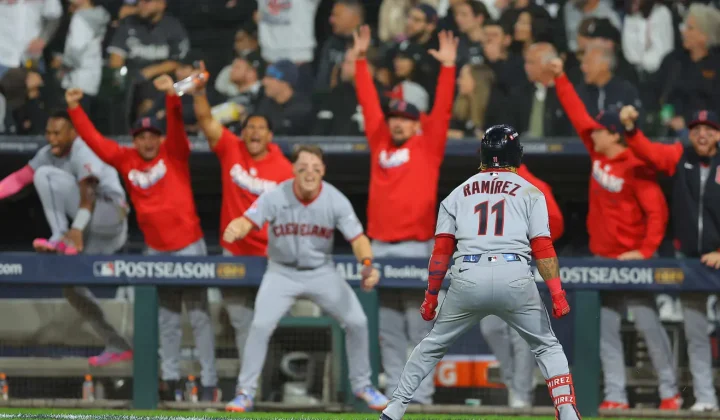
Guardians Force Winner-Take-All ALDS Game 5 With Six-Run Sixth Inning in Chicago
Cleveland scored six runs in the sixth inning to beat the White Sox 9-5 in Game 4 of the ALDS, setting up…
Read story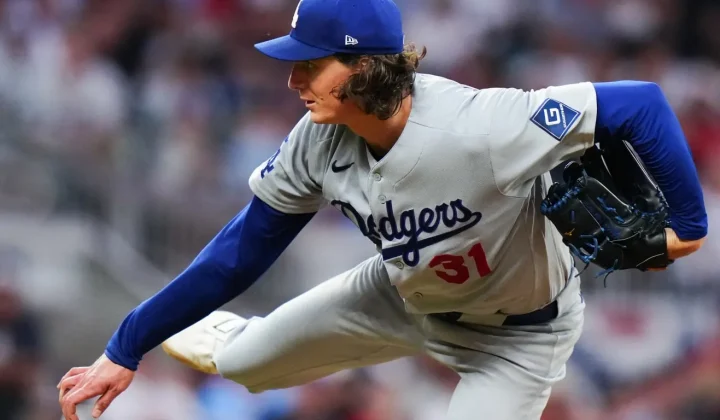
Dodgers Take Commanding 3-1 NLDS Lead Behind Glasnow’s Gritty Outing in Atlanta
Tyler Glasnow battled through command issues but limited Atlanta to one run over 4 2/3 innings as Los Angeles took a 3-1…
Read storyRelated wiki

MLB Wild Card Rules Explained: Format, Tiebreakers & Postseason Impact
How the MLB wild card works in the current postseason format, including tiebreaker procedures, the 3-game series structure, and what it means…
Read storyPlayoff race
Reference page for playoff race language, qualification lines, tiebreakers and games-in-hand context.
Read story