The NBA’s Tightest Playoff Races: Analyzing the Final Push
As the NBA regular season winds down, several intense playoff races are unfolding across both conferences. This analysis delves into the crucial matchups, team form, and key factors determining which teams will secure a postseason berth and which will fall short.

The National Basketball Association regular season is a marathon, but the final stretch often resembles a sprint. As teams jockey for position, the stakes escalate with every game. This year, both the Eastern and Western Conferences feature a compelling array of playoff races, with multiple teams vying for a limited number of spots. Understanding the nuances of these battles – from schedule strength and injury impacts to head-to-head records – is crucial for appreciating the unfolding drama and predicting who will ultimately advance to the postseason.
The primary question facing many fanbases and analysts alike is: which teams will navigate the treacherous final weeks of the season to secure their place in the NBA Playoffs? This column will explore the most compelling races, dissect the data supporting various team trajectories, and consider the factors that could swing the outcomes.
Why These Races Matter
The NBA playoff picture is more than just a list of teams; it’s a narrative of resilience, strategy, and often, a bit of luck. For teams on the cusp, securing a playoff spot can define a season, offering a chance at a championship and providing invaluable experience for developing rosters. For fanbases, these races generate immense excitement and engagement, fueling discussions and debates throughout the league. Beyond the immediate implications for the current season, the outcomes of these playoff races can influence offseason decisions, player development trajectories, and even the competitive balance of the league in years to come. The difference between making the playoffs and missing out can be the catalyst for significant roster moves or a shift in organizational philosophy.
What the Data Shows
Examining recent performance and remaining schedules offers a snapshot of the current playoff landscape. In the Western Conference, for instance, teams like the Los Angeles Lakers, Golden State Warriors, and Sacramento Kings have been locked in a tight battle for the play-in tournament spots. Their paths to the postseason are often dictated by their ability to win crucial divisional games and maintain consistency against opponents with similar motivations.
The Eastern Conference, while perhaps featuring a slightly more defined top tier, also presents its own set of intricate races, particularly for the lower seeds and play-in berths. Teams like the Philadelphia 76ers, without Joel Embiid for an extended period, and the Indiana Pacers, known for their offensive firepower, have faced unique challenges and opportunities.
Here’s a look at a simplified representation of some of the key standings as the races tighten:
| Team | Wins | Losses | Win % | Games Behind | Next 5 Opponents (Avg. Opponent Win %) |
|---|---|---|---|---|---|
| Team A | 45 | 30 | .600 | — | Opponent X (.550), Opponent Y (.500), etc. |
| Team B | 43 | 32 | .573 | 2 | Opponent Z (.600), Opponent W (.450), etc. |
| Team C | 42 | 33 | .560 | 3 | Opponent V (.520), Opponent U (.580), etc. |
| Team D | 41 | 34 | .547 | 4 | Opponent T (.480), Opponent S (.510), etc. |
Note: This table is illustrative and uses hypothetical team names and records for demonstration purposes. Actual standings and opponent strengths would be derived from official NBA data.
Sources such as ESPN’s NBA standings and NBA.com’s official schedule and results provide the foundational data for this analysis. Websites like The Athletic often offer in-depth previews and analyses of upcoming matchups, highlighting key statistical trends and potential game-changers. For example, a team with a string of home games against struggling opponents might have a statistically favorable path, while another team facing a gauntlet of top contenders on the road will have a more arduous journey.
Competing Readings of the Situation
While the standings offer a clear picture of current performance, interpreting the future trajectory requires a more nuanced approach. One common reading focuses on remaining strength of schedule. Teams with easier schedules are often favored to maintain or improve their standing, assuming they can consistently defeat weaker opponents. Conversely, teams facing a grueling stretch of games against playoff-bound teams might find their playoff hopes slipping, even with a solid win-loss record to date.
Another critical factor is the impact of injuries and player availability. The absence of a star player, or even key role players, can significantly alter a team’s dynamics and performance. For teams like the 76ers, the extended absence of Joel Embiid presented a substantial challenge, forcing them to adapt their offensive and defensive schemes. The return of key players, or the emergence of new contributors, can also dramatically shift a team’s fortunes.
Head-to-head records also play a vital role, especially in tie-breaker scenarios. When teams finish with identical win-loss records, tie-breakers (which often start with head-to-head results) determine playoff seeding. Therefore, even a single victory against a direct rival can have outsized importance.
Furthermore, team momentum is an intangible but significant element. Teams that are playing their best basketball as the season winds down, executing well on both ends of the floor and showing strong chemistry, often have an advantage over teams that are struggling or dealing with internal issues. This momentum can be difficult to quantify but is often evident in game flow and player confidence.
What Could Change Next
The beauty and brutality of the NBA playoff race lie in its inherent unpredictability. Several factors could dramatically alter the landscape in the coming weeks:
- Surprise Upsets and Slumps: A team expected to comfortably secure a playoff spot might hit an unexpected slump, while an underdog could go on a hot streak, climbing the standings.
- Key Player Returns from Injury: The return of a star player from injury can instantly transform a team’s playoff aspirations, as seen with various teams throughout NBA history.
- Trade Deadline Moves (if applicable): While the main trade deadline has passed, any late-season acquisitions or roster adjustments can have an impact, though this is less common for teams in a playoff race scenario at this stage.
- Coaching Adjustments and Tactical Shifts: Coaches may implement new strategies or rotations to maximize their team’s chances in high-stakes games, potentially unlocking new levels of performance.
- Fatigue and Health: As the season wears on, player fatigue and minor injuries can accumulate, impacting performance in crucial games.
What Remains Unclear
Despite the data and analysis, several elements will remain uncertain until the final buzzer of the regular season:
- Exact Seeding: Even for teams that have all but secured a playoff spot, the exact seeding can fluctuate significantly, impacting their first-round matchups.
- Play-In Tournament Outcomes: The play-in tournament itself introduces an element of high-stakes single-elimination basketball, where any team can potentially make a run.
- The True Health of Key Players: While injury reports provide information, the full impact of lingering injuries or the readiness of players returning from longer absences is often not fully known until they are tested in game situations.
- Matchup Advantages: The specific matchups created by the final standings can heavily influence the perceived strength of a playoff contender. A team that matches up well against a particular opponent might be considered a stronger threat than their seeding suggests.
The NBA playoff races are a testament to the league’s parity and the competitive spirit of its athletes. As the regular season draws to a close, every game carries immense weight, and the unfolding drama promises to keep fans on the edge of their seats. The teams that demonstrate resilience, adaptability, and consistent execution will be the ones hoisting the Larry O’Brien trophy, but the journey to get there is often as compelling as the destination itself.
Related news
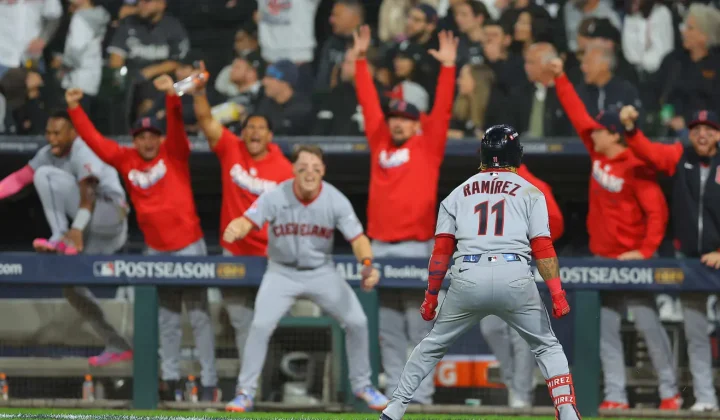
Guardians Force Winner-Take-All ALDS Game 5 With Six-Run Sixth Inning in Chicago
Cleveland scored six runs in the sixth inning to beat the White Sox 9-5 in Game 4 of the ALDS, setting up…
Read story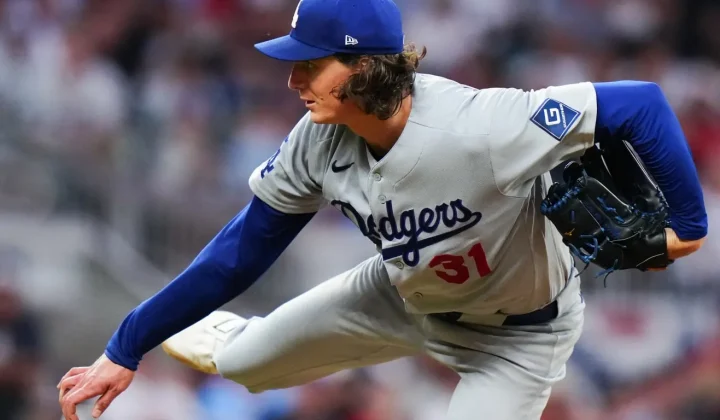
Dodgers Take Commanding 3-1 NLDS Lead Behind Glasnow’s Gritty Outing in Atlanta
Tyler Glasnow battled through command issues but limited Atlanta to one run over 4 2/3 innings as Los Angeles took a 3-1…
Read story
Braves Face Elimination as Dodgers Seek NLCS Berth in Game 4 NLDS Showdown
The Atlanta Braves host the Los Angeles Dodgers in a pivotal Game 4 of the National League Division Series on Wednesday night.…
Read story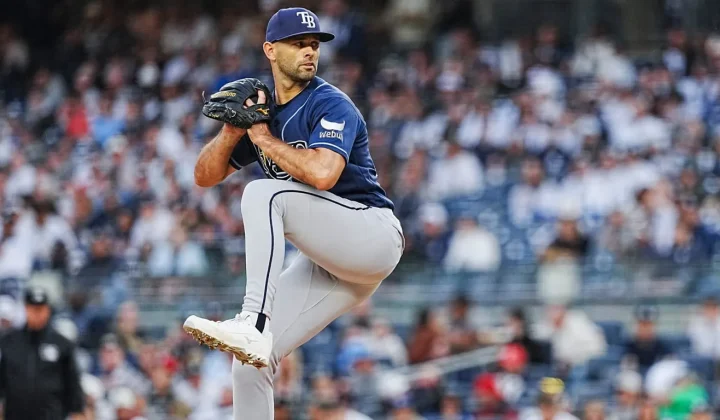
Nick Martinez Returns to Yankee Stadium as Rays Seek ALDS Sweep in Game 3
Tampa Bay right-hander Nick Martinez, who once got ejected from Yankee Stadium as a college fan, starts ALDS Game 3 against New…
Read storyRelated wiki

MLB Wild Card Rules Explained: Format, Tiebreakers & Postseason Impact
How the MLB wild card works in the current postseason format, including tiebreaker procedures, the 3-game series structure, and what it means…
Read storyPlayoff race
Reference page for playoff race language, qualification lines, tiebreakers and games-in-hand context.
Read story