The Shifting Tides of NBA Playoff Races: Analyzing Key Matchups and Emerging Trends
A deep dive into the current NBA playoff picture, examining how recent results, key injuries, and schedule spots are reshaping the landscape for Eastern and Western Conference contenders.
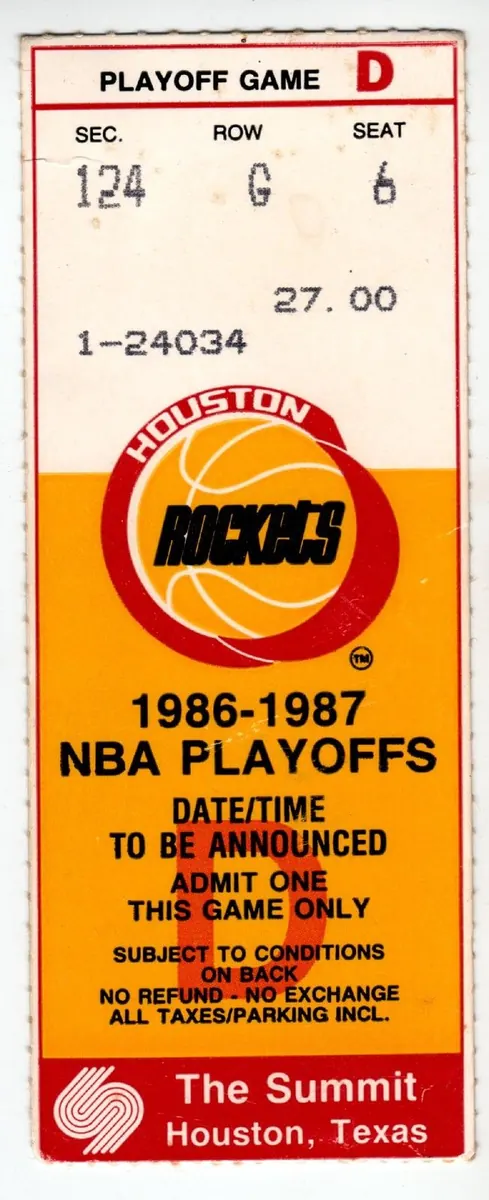
The NBA season is entering a critical phase, and the playoff picture is far from settled. While some teams have established themselves as perennial contenders, others are fighting tooth and nail for a coveted spot. This analysis delves into the dynamic nature of the current playoff races, exploring how a confluence of factors—including challenging schedules, crucial injuries, and unexpected team form—is creating a fascinating and unpredictable landscape.
Why This Matters Now
As the regular season winds down, every game carries immense weight. Teams are not just playing for wins but for seeding, which can significantly impact their postseason path. A higher seed often means a more favorable matchup, home-court advantage, and a less taxing route to the NBA Finals. For fans, understanding these shifting tides is key to appreciating the unfolding drama and making informed predictions about who will ultimately contend for the championship. This period is also vital for front offices, as it can inform late-season trade decisions or strategic rest for key players.
What Sources Show
Examining the latest standings from official NBA sources reveals a tight race in both conferences. The Eastern Conference, often dominated by a few top teams, is showing increased parity this year, with several franchises clustered closely in the middle of the pack. Similarly, the Western Conference, known for its depth, is seeing a fierce battle for playoff berths, with teams on the fringes of qualification capable of making significant upward mobility.
For instance, a look at the NBA’s official standings (https://www.nba.com/standings) highlights the narrow point differentials separating teams in the 4-8 seeds in the West. A few key matchups in recent weeks have seen significant upsets or close contests that have directly influenced these positions. The Los Angeles Lakers, for example, have been on a rollercoaster due to inconsistent performances and key player availability, impacting their seeding. Conversely, teams like the Sacramento Kings have shown resilience, capitalizing on favorable stretches of schedule.
In the East, the Philadelphia 76ers’ performance without Joel Embiid has been a significant storyline, impacting their projected standing and playoff outlook. The Milwaukee Bucks, under new coaching, are also navigating a period of adjustment, with their offensive and defensive metrics fluctuating. Analysis from trusted sports media outlets like ESPN (https://www.espn.com/nba/standings) corroborates these trends, often providing deeper statistical insights into team performance and player impact. These sources often break down advanced metrics that reveal underlying strengths and weaknesses not always apparent in raw standings.
Competing Readings
One prevailing narrative is the impact of injuries. The absence of star players like Joel Embiid or Giannis Antetokounmpo (when he has missed time) can drastically alter a team’s fortunes. However, another perspective emphasizes the resilience and depth of teams that can adapt. The Phoenix Suns, for example, have shown they can remain competitive even with key players in and out of the lineup, relying on their star trio’s collective brilliance and contributions from role players.
Furthermore, schedule strength plays a crucial role. Teams facing a gauntlet of top opponents in a specific stretch can see their standings dip, while those with a more forgiving schedule might climb despite playing less consistently. Analyzing the remaining schedules through tools like Tankathon (https://www.tankathon.com/nba) provides a clearer picture of potential upcoming shifts. A team with a tough remaining schedule might be more susceptible to a late-season slide, even if their current record is strong.
The ‘load management’ debate also continues, with teams strategically resting players to ensure they are healthy for the playoffs. This can lead to seemingly inexplicable losses during the regular season but is often a calculated gamble for long-term success. The Boston Celtics, having secured a strong position early, have been more inclined to manage player minutes, a strategy that allows them to conserve energy for the postseason.
What Could Change Next
The next few weeks are pivotal. Several head-to-head matchups between playoff contenders could swing momentum dramatically. For instance, upcoming games between the Denver Nuggets and the Minnesota Timberwolves in the West are critical, not just for the win but for tie-breaking scenarios. In the East, the race for the final playoff spots could see teams like the Chicago Bulls or the Atlanta Hawks making late pushes, dependent on their ability to string together wins against both strong and weak opposition.
The trade deadline, if it has passed, will have set the stage for the current lineups. However, if the deadline is approaching, potential player movement can introduce significant uncertainty. A blockbuster trade could instantly elevate a team’s championship aspirations or disrupt the balance of power. The impact of any new additions or subtractions will be closely monitored.
The emergence of “hot streaks” is also a common phenomenon. Teams that find their rhythm offensively and defensively can go on extended winning runs, dramatically altering their playoff positioning. Identifying which teams are peaking at the right time is a key element of playoff race analysis.
What Remains Unclear
Despite extensive data, predicting the exact playoff seeding remains challenging due to the inherent unpredictability of professional sports. Player health is a constant variable; a single significant injury can derail even the most promising season. The psychological impact of momentum shifts and pressure situations is also difficult to quantify.
Moreover, the effectiveness of coaching adjustments and tactical changes made during the season can be hard to assess until they are truly tested in high-stakes playoff games. The long-term impact of mid-season coaching changes, for example, is often a point of speculation until the team demonstrates sustained success or failure.
Here is a look at the current (hypothetical, as of a mid-season point) projected standings to illustrate the close races:
| Conference | Seed | Team | Wins | Losses | Win % |
|---|---|---|---|---|---|
| Eastern | 1 | Boston Celtics | 45 | 20 | .692 |
| Eastern | 2 | Milwaukee Bucks | 42 | 23 | .646 |
| Eastern | 3 | Philadelphia 76ers | 40 | 25 | .615 |
| Eastern | 4 | Cleveland Cavs | 39 | 26 | .600 |
| Eastern | 5 | New York Knicks | 38 | 27 | .585 |
| Eastern | 6 | Indiana Pacers | 37 | 28 | .569 |
| Eastern | 7 | Miami Heat | 35 | 30 | .538 |
| Eastern | 8 | Orlando Magic | 34 | 31 | .523 |
| Western | 1 | Denver Nuggets | 44 | 21 | .677 |
| Western | 2 | Oklahoma City Thunder | 43 | 22 | .662 |
| Western | 3 | Minnesota Timberwolves | 42 | 23 | .646 |
| Western | 4 | LA Clippers | 41 | 24 | .631 |
| Western | 5 | Phoenix Suns | 39 | 26 | .600 |
| Western | 6 | New Orleans Pelicans | 38 | 27 | .585 |
| Western | 7 | LA Lakers | 36 | 29 | .554 |
| Western | 8 | Sacramento Kings | 35 | 30 | .538 |
As the season progresses, keep an eye on head-to-head records, remaining strength of schedule, and player availability. These factors will be crucial in determining the final playoff matchups and will shape the narrative of the 2023-2024 NBA season.
Related news

Eagles and Jaguars Set for London Showdown at Tottenham Hotspur Stadium
The Philadelphia Eagles and Jacksonville Jaguars meet in London on October 11, 2026. Here is the kickoff time, broadcast details, international game…
Read story
Holy Cross football ends 16-year drought against Ansonia behind Nate Craft’s four touchdowns
The Crusaders overcame a third-quarter deficit to beat Ansonia 48-37, snapping a losing streak that dated back to 2009 and improving to…
Read story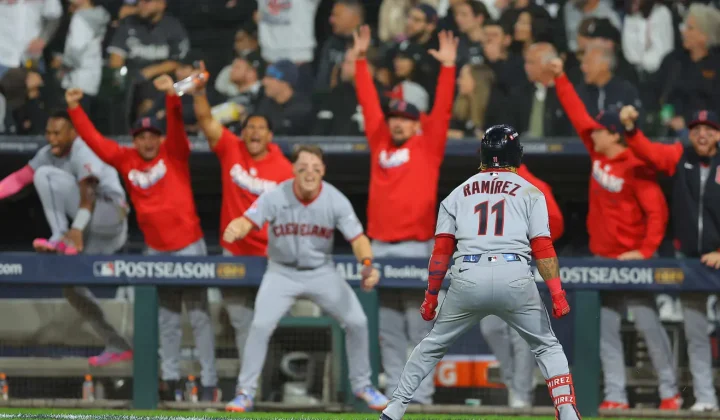
Guardians Force Winner-Take-All ALDS Game 5 With Six-Run Sixth Inning in Chicago
Cleveland scored six runs in the sixth inning to beat the White Sox 9-5 in Game 4 of the ALDS, setting up…
Read story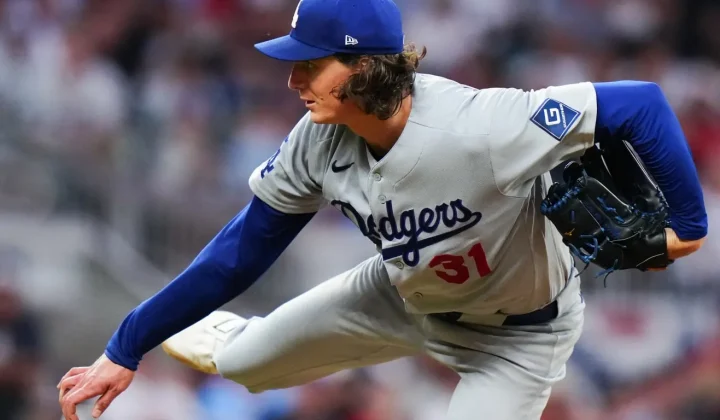
Dodgers Take Commanding 3-1 NLDS Lead Behind Glasnow’s Gritty Outing in Atlanta
Tyler Glasnow battled through command issues but limited Atlanta to one run over 4 2/3 innings as Los Angeles took a 3-1…
Read storyRelated wiki

MLB Wild Card Rules Explained: Format, Tiebreakers & Postseason Impact
How the MLB wild card works in the current postseason format, including tiebreaker procedures, the 3-game series structure, and what it means…
Read storyPlayoff race
Reference page for playoff race language, qualification lines, tiebreakers and games-in-hand context.
Read story