NBA Playoff Wild Card Race: Navigating the Tumultuous Path to the Postseason
The NBA regular season's closing stretch is defined by the intense battle for Wild Card playoff spots. This analysis dissects the key contenders, the critical factors influencing their pursuit of a postseason berth, and what the remaining schedule holds for these tightly contested races.


The NBA regular season transforms into a high-stakes chess match as teams push towards the postseason. For franchises not already secured in the top tier of seeds, the Wild Card positions—typically the 7th through 10th spots in each conference that lead to the Play-In Tournament—become the ultimate goal. This year, the fight for these crucial berths is exceptionally fierce, marked by volatile team form and challenging upcoming schedules. Understanding this dynamic playoff landscape demands a detailed examination of recent performance, player availability, and the remaining strength of schedule.
The allure of a top-six seed, which grants direct entry into the main playoff bracket and avoids the Play-In Tournament’s single-elimination pressure, is substantial. A higher seed promises more rest and a perceived advantage in a best-of-seven series. However, for teams on the playoff bubble, the primary objective is simply to qualify for the postseason. The Play-In Tournament has injected a new level of excitement and unpredictability, offering a second chance for teams that might have otherwise missed out. This analysis will pinpoint the leading contenders for these Wild Card spots, dissect the contributing factors to their current standing, and project potential outcomes based on current trends and upcoming matchups.
Why the Wild Card Race is Crucial
The difference between securing the 6th seed and landing in the 7th or 8th position can dramatically alter a team’s championship aspirations or lead to an abrupt end to their season. For teams that have made significant investments in their rosters, missing the playoffs entirely or being eliminated in the Play-In represents a substantial disappointment. Conversely, for franchises in a rebuilding phase or those exceeding expectations, reaching the playoffs, even via the Play-In, can be a vital developmental step and a significant boost to team morale and fan engagement. The Wild Card race often features compelling narratives: veteran teams aiming for a final championship push, young squads on the verge of a breakthrough, or unexpected contenders defying preseason forecasts. The inherent drama of these close contests captivates fans and analysts, underscoring the competitive parity that often defines an NBA season.
Analyzing Recent Performance Trends
A team’s recent form is a critical indicator of its current capabilities. Teams that have found a winning rhythm, perhaps after overcoming a mid-season slump or implementing significant roster changes, often exhibit a sustained period of success. Conversely, teams experiencing a downward trend might be grappling with injuries, fatigue, or tactical issues. Examining advanced metrics such as offensive and defensive ratings, turnover differentials, and performance in clutch situations provides a deeper understanding of a team’s true potential.
For example, a team might boast a winning record but struggle with offensive efficiency, indicating underlying scoring issues. Conversely, a team with a slightly losing record but a dominant defense could be adept at grinding out wins and proving to be a difficult opponent in a short playoff series. The strength of schedule is another vital consideration. A team facing a demanding gauntlet of opponents has a more challenging path to climb than one with a more manageable slate of games.
Consider the following illustrative data for hypothetical Wild Card contenders:
| Team | Current Record | Recent 10 Games | Offensive Rating (Rank) | Defensive Rating (Rank) | Remaining Strength of Schedule |
|---|---|---|---|---|---|
| Team A | 30-25 | 7-3 | 12th | 15th | Moderate |
| Team B | 29-26 | 5-5 | 18th | 10th | Difficult |
| Team C | 28-27 | 6-4 | 8th | 18th | Moderate |
| Team D | 27-28 | 4-6 | 15th | 13th | Easy |
This table illustrates varying team positions. Team A demonstrates strong recent momentum and a balanced profile. Team B, despite a .500 record in its last ten games, relies on a stout defense that could keep them competitive. Team C excels offensively but concedes too many points, highlighting potential defensive fragilities. Team D has a weaker overall record and mixed recent form, but a favorable upcoming schedule could provide an avenue for improvement.
Key Influencing Factors Beyond Statistics
Several external factors can significantly impact the trajectory of Wild Card contenders. Player injuries, particularly to star athletes, can derail even the most promising seasons, exposing team depth and forcing strategic adjustments. Conversely, a team that has successfully navigated significant injury adversity might emerge with enhanced resilience and cohesion.
Player availability also extends to suspensions, personal matters, or the impact of trade deadline acquisitions, all of which can dramatically alter a team’s dynamics. For clubs on the cusp of the playoffs, a strategic trade for a defensive specialist or a consistent scorer could be the catalyst needed to secure a postseason berth. The coaching staff’s ability to implement effective adjustments, manage player rotations, and maintain team motivation during this critical period is also paramount.
Furthermore, the psychological element of the race cannot be underestimated. Teams with a history of late-season collapses may carry a mental burden, while confident squads often find ways to secure crucial wins. The pressure of the standings can lead to uncharacteristic errors, making focus and execution areas of intense scrutiny.
Predicting Future Shifts in the Standings
The remaining schedule often dictates the narrative of the Wild Card race. Teams facing a series of challenging opponents must perform at an exceptionally high level to maintain their current standing. Conversely, those with a more manageable slate of games have an opportunity to build momentum and ascend the standings.
Rivalries and divisional matchups carry significant weight. Games between teams directly competing for a Wild Card spot are crucial, as a victory for one team directly impacts a rival’s playoff chances. These head-to-head contests can create substantial swings in the standings.
The NBA trade deadline, if it has passed, will have already reshaped some of these teams. For those that made significant moves, the integration of new personnel will be a key storyline. For teams that remained inactive, the onus falls on the current roster to deliver. The emergence of a new star player or a significant improvement from a role player can also dramatically alter the playoff picture.
Uncertainties in the Playoff Picture
Despite extensive data and analysis, several elements of the NBA playoff race remain inherently uncertain. The unpredictable nature of the league means that a single hot streak or a sudden skid can drastically alter perceptions and standings. The impact of unforeseen events, such as a key player suffering a significant injury just before the playoffs, is impossible to predict.
The effectiveness of tactical adjustments made by coaching staffs is also difficult to quantify in advance. Will a team’s newly implemented defensive scheme hold up against elite offenses? Can a struggling offense find its rhythm against tough competition? These questions are often answered only on the court during actual game situations.
Ultimately, the NBA Wild Card race is a compelling narrative of resilience, adaptation, and execution. While data provides a robust foundation for analysis, the human element—the determination, grit, and occasional flashes of brilliance from NBA players—will be the deciding factor in who secures a coveted postseason berth. Fans seeking to anticipate the final playoff picture should closely monitor team health, recent performance trends, and the strength of upcoming schedules.
Related news

Holy Cross football ends 16-year drought against Ansonia behind Nate Craft’s four touchdowns
The Crusaders overcame a third-quarter deficit to beat Ansonia 48-37, snapping a losing streak that dated back to 2009 and improving to…
Read story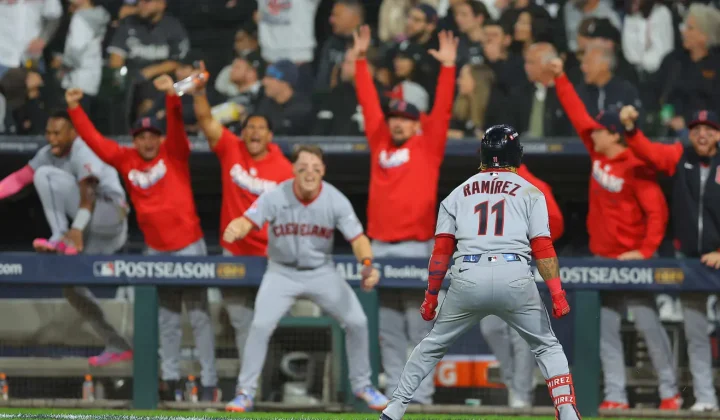
Guardians Force Winner-Take-All ALDS Game 5 With Six-Run Sixth Inning in Chicago
Cleveland scored six runs in the sixth inning to beat the White Sox 9-5 in Game 4 of the ALDS, setting up…
Read story
Dodgers Take Commanding 3-1 NLDS Lead Behind Glasnow’s Gritty Outing in Atlanta
Tyler Glasnow battled through command issues but limited Atlanta to one run over 4 2/3 innings as Los Angeles took a 3-1…
Read story
Braves Face Elimination as Dodgers Seek NLCS Berth in Game 4 NLDS Showdown
The Atlanta Braves host the Los Angeles Dodgers in a pivotal Game 4 of the National League Division Series on Wednesday night.…
Read storyRelated wiki

MLB Wild Card Rules Explained: Format, Tiebreakers & Postseason Impact
How the MLB wild card works in the current postseason format, including tiebreaker procedures, the 3-game series structure, and what it means…
Read storyPlayoff race
Reference page for playoff race language, qualification lines, tiebreakers and games-in-hand context.
Read story