How the NFL’s New Kickoff Rule Is Reshaping Field Position Strategy
The NFL’s revamped kickoff rule has shifted the balance between touchbacks and returns. Data from the first half of the season shows how teams are adjusting their coverage and return tactics, and what it means for the field-position battle.


The NFL’s kickoff rule overhaul, approved in March 2024 and implemented for the first time this season, was designed to reduce high-speed collisions and increase returns. Halfway through the season, the data is clear: the rule has fundamentally changed how teams approach field position, with ripple effects on offense, defense, and special-teams roster construction.
The new rule moves the kicking team to the receiving team’s 40-yard line and the receiving team to its own 30-yard line, with only the kicker and returner allowed to move until the ball is caught or hits the ground. The aim was to encourage more returns while keeping the play safer. Early returns—pun intended—show that the rule is working, but not exactly as many predicted.
Why the Rule Change Mattered
Before 2024, the kickoff had become the NFL’s most dangerous play, with players suffering concussions on nearly 5% of all kickoffs, according to league data. At the same time, return rates had plummeted to historic lows. In 2023, 21.8% of regular-season kickoffs were returned; the rest were either touchbacks (65.3%) or out of bounds. The NFL’s competition committee believed the old format had become a “dead play” that offered little excitement and high injury risk.
The new alignment, inspired by the XFL’s spring league model, forces the coverage team to start closer to the returner, theoretically reducing the space for full-speed collisions. The kicker still kicks from his own 35-yard line, but most kicks now land inside the landing zone (the 20-yard line to the end zone). Any kick that goes into the end zone in the air is a touchback at the 30-yard line (up from the 25 under the old rule). Any kick that hits short of the 20 is a live ball.
What the Data Shows
Through Week 8 of the 2024 season, official NFL game statistics and Next Gen Stats data paint a clear picture. The return rate has surged to over 55%, while the average starting field position after a kickoff has shifted slightly, but not dramatically. Here is a comparison of key metrics between the 2023 and 2024 seasons (through Week 8):
| Metric | 2023 (old rule) | 2024 (new rule) | Change |
|---|---|---|---|
| Kickoff return rate | 8% | 4% | +33.6 pp |
| Touchback rate | 3% | 1% | -36.2 pp |
| Average return yards | 8 | 1 | +2.3 yds |
| Average starting field position (after kickoff) | 6-yard line | 9-yard line | +2.3 yds |
(Sources: NFL.com, NFL Next Gen Stats, Pro Football Reference)
The data confirms that the rule has succeeded in producing more returns. The touchback rate has dropped by more than half, and the average return yardage is up slightly. However, the starting field position after a kickoff has only improved by about 2.3 yards on average—a modest gain given the dramatic increase in returns.
Competing Readings – Coaches’ Adjustments
The uniform league-wide data hides significant variation in team strategy. Some teams, like the Miami Dolphins and Kansas City Chiefs, have aggressively used the new rule to pin opponents deep. They ask their kickers to drop the ball inside the 5-yard line, forcing the returner to field it close to the goal line and limiting the return. This has resulted in higher touchback rates for those teams, but they concede the 30-yard line.
Other teams, like the San Francisco 49ers and Baltimore Ravens, have opted for a more traditional deep kick, relying on coverage to stop returns before the 30. The 49ers, under head coach Kyle Shanahan, have used a “hang-time” approach, kicking high and short, giving their gunners time to get downfield. The result: an average starting field position for opponents of the 27.8-yard line, just below the league average.
Special-teams coordinators have also made roster changes. The new rule de-emphasizes big, fast linebackers in coverage and instead values smaller, agile defensive backs who can tackle in space and avoid blocks. The Washington Commanders, for example, have used cornerback Benjamin St-Juste as a primary gunner, a role previously reserved for safeties. This shift has implications for roster construction and positional value.
What Could Change Next
The NFL’s competition committee will review the rule during the offseason. Several adjustments are already being discussed:
- Moving the touchback spot: The current 30-yard line might be too generous. If the league wants to encourage even more returns, it could push the touchback spot back to the 35-yard line.
- Eliminating the fair-catch option: Under the current rule, a fair catch inside the 25-yard line still results in a touchback at the 25. Some officials argue that eliminating the fair catch entirely would force more returns.
- Adjusting the landing zone: The current 20-yard-line to end-zone zone might be narrowed or moved to reduce the number of touchbacks.
The NFL Players Association has already expressed support for the current rule, citing early injury data that shows a reduction in concussions per kickoff. Any change will likely face pushback from the union.
What Remains Unclear
The sample size of 16 weeks is still small. Weather conditions in the second half of the season—especially in cold-weather cities like Buffalo, Chicago, and Green Bay—will affect kicker performance, ball handling, and return strategies. The new rule has not been tested in snow or sub-freezing temperatures, where kicks are shorter and returns are more dangerous.
Additionally, the data on injury rates is not yet conclusive. The NFL has not released a full medical report for the 2024 season, so the stated safety improvement remains a projection. Early anecdotal reports from team doctors suggest fewer high-impact collisions, but the total number of concussions on kickoffs may still be similar to previous years because more plays are happening.
Finally, the impact on offense and defense has not been fully quantified. The extra 2.3 yards of average field position could translate to additional points, but the benefit is small. Teams that have invested in elite returners, such as the Chicago Bears’ Velus Jones Jr., have seen a slight uptick in explosive plays, but the league-wide average starting field position remains below the 30-yard line, meaning scoring efficiency has not changed dramatically.
Practical Next Checks
As the season progresses, monitor the following:
- Weekly touchback rates on NFL.com or @NFLFootballOps on X (formerly Twitter).
- Injury reports from the NFL Players Association, which typically release mid-season safety data.
- Team-specific kickoff strategies on analytics sites like Sharp Football Analysis or FTN Network.
The new kickoff rule is one of the most significant on-field changes in recent NFL history. It has succeeded in bringing back the return as a relevant phase of the game, but the strategic adjustments are still evolving. The final verdict will depend on injury data, weather, and whether the competition committee decides the current balance is optimal.
Related news
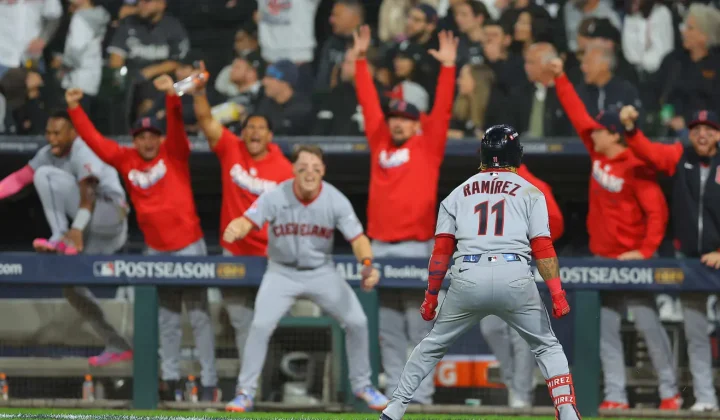
Guardians Force Winner-Take-All ALDS Game 5 With Six-Run Sixth Inning in Chicago
Cleveland scored six runs in the sixth inning to beat the White Sox 9-5 in Game 4 of the ALDS, setting up…
Read story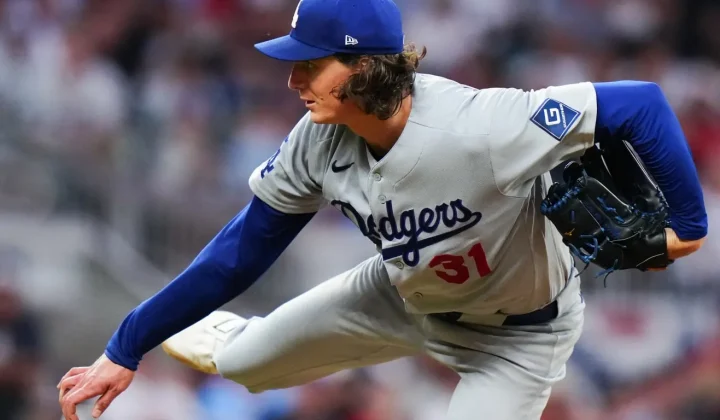
Dodgers Take Commanding 3-1 NLDS Lead Behind Glasnow’s Gritty Outing in Atlanta
Tyler Glasnow battled through command issues but limited Atlanta to one run over 4 2/3 innings as Los Angeles took a 3-1…
Read story
Braves Face Elimination as Dodgers Seek NLCS Berth in Game 4 NLDS Showdown
The Atlanta Braves host the Los Angeles Dodgers in a pivotal Game 4 of the National League Division Series on Wednesday night.…
Read story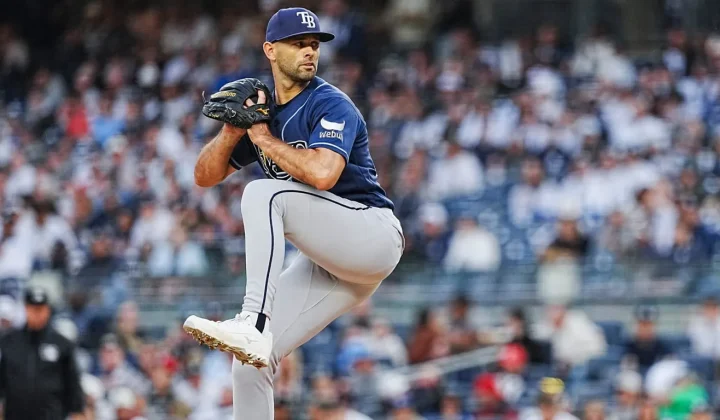
Nick Martinez Returns to Yankee Stadium as Rays Seek ALDS Sweep in Game 3
Tampa Bay right-hander Nick Martinez, who once got ejected from Yankee Stadium as a college fan, starts ALDS Game 3 against New…
Read storyRelated wiki

MLB Wild Card Rules Explained: Format, Tiebreakers & Postseason Impact
How the MLB wild card works in the current postseason format, including tiebreaker procedures, the 3-game series structure, and what it means…
Read storyPlayoff race
Reference page for playoff race language, qualification lines, tiebreakers and games-in-hand context.
Read story