The Wild Card Chase: How Playoff Races Are Shaping Up Across Major Sports
A look at the pivotal moments and potential shifts in ongoing playoff races across the NFL, NBA, MLB, and NHL, analyzing the factors that will determine postseason berths.


The stretch run in professional sports often brings the most compelling drama. As teams battle for positioning and coveted playoff spots, every game carries amplified significance. This analysis delves into the current state of several high-profile playoff races across the NFL, NBA, MLB, and NHL, examining the factors that are influencing outcomes and what lies ahead for those vying for a chance at championship glory.
Why This Matters
Understanding the dynamics of playoff races is crucial for any sports enthusiast. It’s not just about who is currently in the lead, but about the momentum, the schedule strength, and the critical head-to-head matchups that can swing fortunes. For fans, it dictates which games are must-watch events and which storylines are likely to dominate headlines. For casual observers, it offers a fascinating glimpse into the strategic and psychological battles that define elite competition. The difference between a home-field advantage and a precarious wild card spot can be the difference between advancing or seeing a season end prematurely.
What Sources Show
Across the major leagues, several races are tightening, offering a diverse set of narratives.
In the NFL, the AFC playoff picture is particularly congested. Teams like the Buffalo Bills and the Indianapolis Colts are in a constant tug-of-war for divisional leads and wild card berths, with their paths often dictated by crucial divisional games and the performances of key players. Injury reports become paramount, as the absence of a starting quarterback or a top defensive player can dramatically alter a team’s trajectory. For instance, the impact of a key injury on a team’s offensive or defensive consistency is often reflected in their recent performance metrics and betting odds.
The NBA’s Eastern Conference is showcasing a similar level of parity. Teams are jockeying for seeding, with the difference between a top-four seed and a play-in tournament spot being significant. Analytics often highlight the importance of home-court advantage in the playoffs, and teams are fighting tooth and nail to secure it. According to NBA.com’s official standings, the separation between several teams in the middle of the pack can be as little as a single game, making every win critical.
Major League Baseball provides a different, yet equally intense, playoff chase. With expanded wild card spots in recent seasons, more teams are kept in contention longer. The National League, in particular, has seen several teams emerge as strong contenders, battling for wild card spots through late September. Baseball Reference’s playoff odds often illustrate the razor-thin margins separating teams, where a hot streak or a prolonged slump can send a team soaring or plummeting in the standings.
The NHL’s playoff format, with its divisional structure and wild card berths, ensures that many teams remain in the hunt until the final weeks. The Western Conference, in particular, often features a tight race for the remaining wild card spots, where goal differential and tie-breaking scenarios can come into play. NHL.com’s official schedule and standings provide the most up-to-date information on which teams are on the cusp of elimination or on the verge of clinching.
Competing Readings
While the standings paint a clear picture of who is in contention, the interpretation of these races can vary. Some analysts might focus on strength of schedule, arguing that a team with an easier remaining path has a higher probability of securing a playoff spot, even if they are currently trailing. Others might emphasize recent form, believing that a team hitting its stride in the final month is more likely to carry that momentum into the postseason, regardless of their earlier struggles.
The role of injuries is another area of debate. While official injury reports are crucial, the long-term impact of a key player’s absence, or the effective return of an injured star, can be an unpredictable variable. For example, a team might be performing well despite a star player’s absence due to strong coaching and depth, leading some to believe they are more resilient than a team solely reliant on one individual. Conversely, the return of a franchise player could elevate a team’s performance to an entirely new level, making them a dangerous playoff dark horse.
The context of odds also provides a different lens. While not betting advice, the movement of playoff odds from sources like Oddschecker can reflect market sentiment and expert analysis on a team’s perceived chances. A significant shift in odds might indicate an underlying factor, such as a key transaction or a widespread belief in a team’s improved performance, that isn’t immediately apparent from the standings alone.
What Could Change Next
The beauty of these ongoing races is their inherent volatility. Several factors could dramatically alter the landscape:
- Key Divisional Games: In leagues like the NFL and NHL, direct matchups between divisional rivals often have a disproportionate impact on the standings, creating opportunities for significant swings.
- Trade Deadline Acquisitions (MLB/NBA): For baseball and basketball, any last-minute trades can inject new talent into teams, potentially bolstering their playoff aspirations or weakening rivals.
- Surprise Slumps or Hot Streaks: Unforeseen dips in performance or unexpected winning streaks from teams previously considered out of contention can quickly reshuffle the deck.
- Player Health: The status of star players remains the most significant wild card. A single injury to a key offensive or defensive player can have ripple effects throughout a team’s performance and playoff chances.
- Coaching Adjustments: Tactical shifts or strategic changes by coaching staffs can sometimes unlock hidden potential in a team, leading to improved results.
What Remains Unclear
Despite the clarity offered by official standings and data, certain elements of these playoff races remain inherently uncertain:
- The True Impact of Injuries: While official reports detail absences, the psychological and tactical impact of a star player’s injury, or their subsequent return, is often hard to quantify precisely until it plays out.
- The “X-Factor” Player: Sometimes, a player emerges from relative obscurity to become a crucial contributor in the postseason. Identifying this player before they make a significant impact is a challenge.
- Matchup Advantages: Even the best teams can have specific matchup nightmares. Predicting how certain playoff teams will fare against each other, especially in series-based formats like the NBA and NHL, is difficult without seeing them play.
- Momentum and Psychology: The intangible aspects of momentum and playoff pressure are notoriously hard to predict. A team that looks formidable on paper might falter under intense postseason scrutiny.
Here is a look at the general standings movement that impacts playoff races:
| League | Current Trend | Potential Impact | Key Factor |
|---|---|---|---|
| NFL | Tight AFC Wild Card | Shifting seeding, potential for elimination | Strength of schedule, key player health |
| NBA | Eastern Conference Seeding Battle | Home-court advantage, play-in tournament positioning | Recent form, offensive/defensive efficiency |
| MLB | NL Wild Card Race | Determining divisional winners vs. wildcard berths | Schedule remaining, head-to-head records |
| NHL | Western Conference Wild Cards | Fierce competition for final spots | Goal differential, consistency against divisional opponents |
As the seasons progress, these playoff races will continue to evolve, offering compelling narratives and thrilling competition. The teams that can navigate the challenges, overcome adversity, and capitalize on opportunities will ultimately be the ones that earn a chance to compete for championships.
Related news

Holy Cross football ends 16-year drought against Ansonia behind Nate Craft’s four touchdowns
The Crusaders overcame a third-quarter deficit to beat Ansonia 48-37, snapping a losing streak that dated back to 2009 and improving to…
Read story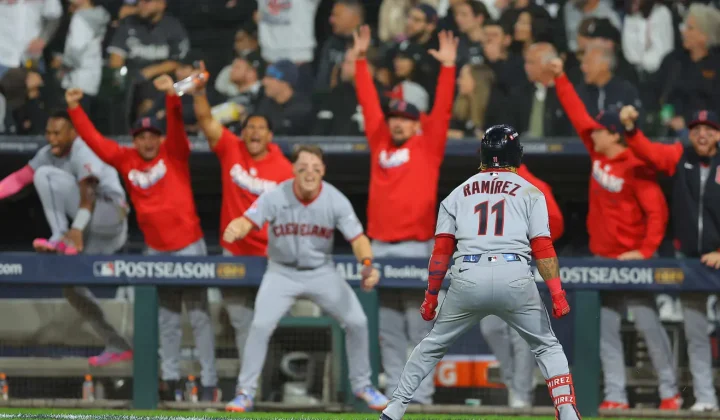
Guardians Force Winner-Take-All ALDS Game 5 With Six-Run Sixth Inning in Chicago
Cleveland scored six runs in the sixth inning to beat the White Sox 9-5 in Game 4 of the ALDS, setting up…
Read story
Dodgers Take Commanding 3-1 NLDS Lead Behind Glasnow’s Gritty Outing in Atlanta
Tyler Glasnow battled through command issues but limited Atlanta to one run over 4 2/3 innings as Los Angeles took a 3-1…
Read story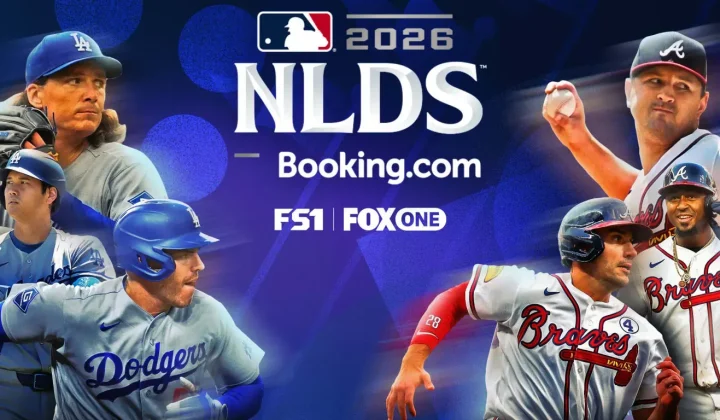
Braves Face Elimination as Dodgers Seek NLCS Berth in Game 4 NLDS Showdown
The Atlanta Braves host the Los Angeles Dodgers in a pivotal Game 4 of the National League Division Series on Wednesday night.…
Read storyRelated wiki

MLB Wild Card Rules Explained: Format, Tiebreakers & Postseason Impact
How the MLB wild card works in the current postseason format, including tiebreaker procedures, the 3-game series structure, and what it means…
Read storyPlayoff race
Reference page for playoff race language, qualification lines, tiebreakers and games-in-hand context.
Read story