Sports Radio Executives Urged to Adopt MLB’s Memorial Day Evaluation Strategy
As the NBA and NHL seasons wind down, a sports media analyst suggests sports radio executives adopt Major League Baseball's practice of using key dates like Memorial Day as critical evaluation points for internal strategies and talent development.
A Call for Strategic Reflection
As the sports calendar enters a transitional phase with the NBA and NHL seasons concluding and Major League Baseball reaching a significant early marker, sports radio programmers are being advised to adopt a similar strategic approach. Memorial Day, traditionally a holiday weekend, is being reframed as a crucial checkpoint for evaluating the performance and direction of sports radio operations. This perspective, highlighted in a recent analysis, suggests that much like MLB franchises use the holiday to assess their 162-game season, radio executives should leverage this point – nearly 40% of the year complete – for internal assessment.
The current media landscape, dominated by the winding down of one season and the hiatus before another, presents an ideal moment for introspection. Topics such as revenue outlooks for the remainder of the year, the necessity of refreshing digital strategies, and adapting quarter-hour strategies for summer listening habits are all critical considerations. Furthermore, the integration of new technologies for content distribution ahead of the busy fall football season warrants attention.
Industry Turmoil and Talent Morale
The sports radio industry is currently grappling with significant challenges, including ongoing corporate layoffs, company restructures, and the increasing integration of artificial intelligence, which has fueled anxieties about job security. Companies like iHeartMedia have openly communicated their commitment to profitability growth through cost reductions, encompassing areas such as AI adoption, vendor consolidation, and workforce reductions. This corporate messaging, as reported by the company during its Q1 financial call, signals a pragmatic approach to financial health.
Meanwhile, other media groups, such as Beasley Media Group and Townsquare Media, have reported year-over-year declines in total net revenue during the first quarter. This financial climate creates an environment of uncertainty for on-air talent and production staff. Many are actively seeking ways to enhance their value within an industry perceived to be contracting. While digital platforms are often viewed as the primary avenue for future growth and expanded reach, the lack of institutional support or encouragement for talent to explore and experiment in these areas can be a significant impediment.
Motivating and Developing the Next Generation
The task of motivating existing sports radio talent and cultivating the next generation of programmers has become increasingly complex in 2026. Programmers are frequently inundated with day-to-day responsibilities, which can leave insufficient time for dedicating to the fundamental aspects of their craft. These essential elements include active listening, fostering collaboration, and providing structured coaching. The article points to the demanding reality faced by program directors, who may manage multiple markets while balancing personal lives and navigating the persistent industry trends of consolidation and workforce reductions. This raises questions about whether such broadened responsibilities represent earned promotions or necessary adaptations within a challenging business environment.
Lessons from Baseball’s Season Markers
The analogy drawn to Major League Baseball’s season structure is central to the argument for a more structured approach to evaluation. Baseball, with its extensive 162-game schedule, relies on key benchmarks like Memorial Day to provide a realistic assessment of team performance. This practice helps prevent premature conclusions based on early-season hot streaks or slumps, offering a more balanced perspective on a team’s trajectory. The author contends that sports radio should adopt a similar methodology, using this point in the calendar as a vital checkpoint rather than a definitive endpoint. The industry, it is argued, requires honest internal evaluations and leadership that is willing to invest in its people, champion creativity, and recognize that enduring brands are fundamentally built on genuine connection, effective coaching, and mutual trust.
Investing in People Over Corporate Buzzwords
Rather than succumbing to generic corporate jargon or placing faith solely in technological solutions, sports radio leaders are urged to prioritize tangible actions. This includes a forthright acknowledgment of the current industry realities, rather than attempting to sidestep the pervasive uncertainty. Talent and staff are acutely aware of the economic pressures facing the business, and they require clear communication, decisive direction, and unwavering belief from their leadership, not mere platitudes. The significance of dedicated coaching, robust collaboration, and granting talent the autonomy to innovate beyond traditional radio formats cannot be overstated. Employee morale is demonstrably enhanced when individuals feel valued, included, and actively developed, as opposed to simply being managed.
Navigating Uncertainty with Resilience and Trust
As the sports calendar naturally experiences a slight ebb before the intense buildup to football season, programmers are presented with a valuable opportunity. This period can be utilized to reconnect with their teams, refine existing strategies, and reinforce the underlying company culture. The most resilient and impactful brands in sports radio have historically been cultivated not solely through ratings data or financial statements, but through consistent trust, creative output, and leadership that inspires confidence, particularly during challenging periods. While the inherent uncertainties within the industry cannot be entirely eradicated, leaders retain control over their responses to these conditions. Analogous to baseball teams assessing their progress around Memorial Day, this juncture in the year serves as a crucial reminder that successful seasons and thriving companies are typically forged by organizations that maintain focus, foster strong connections, and exhibit resilience when faced with the greatest pressures. Barrett Media produces daily content on the music, news, and sports media industries.
Key Takeaways from the Analysis
Memorial Day serves as a strategic evaluation point for sports radio.
The industry faces challenges from cost-cutting measures, AI adoption, and declining revenues.
Baseball’s use of seasonal markers offers a model for objective performance assessment.
Effective leadership requires investment in personnel, creativity, and talent development.
Source: Yahoo Sports – https://sports.yahoo.com/articles/sports-radio-programmers-treat-memorial-040500557.html
Key facts
- Source: Yahoo Sports
- Date: 2026-05-26T04:05:00+00:00
- Topic: Sports Radio Programmers Should Treat Memorial Day Like an MLB Franchise
Source
Yahoo Sports Original publication: 2026-05-26T04:05:00+00:00
Related news
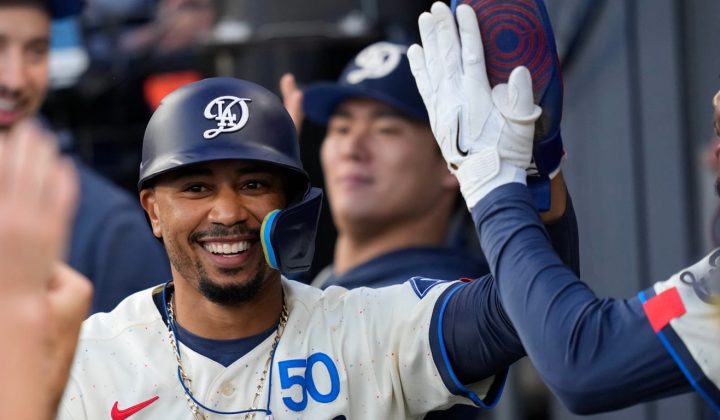
Mookie Betts Powers Dodgers Past Giants in Key Late-Season Win
Mookie Betts delivered a four-hit performance, including three doubles, as the Los Angeles Dodgers defeated the San Francisco Giants 10-4 on Saturday…
Read story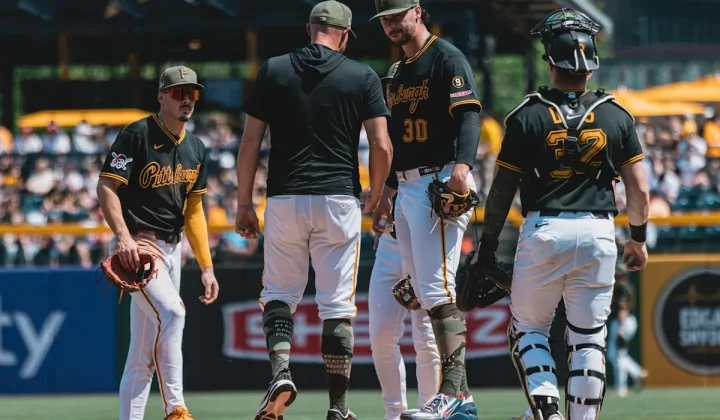
Pirates Eliminated From Playoff Contention Despite Offensive Surge in 2026
The Pittsburgh Pirates have been mathematically eliminated from the MLB postseason for the 11th consecutive year. Despite a vastly improved offense that…
Read story
Jamie Carragher’s High Praise Puts Daniel Munoz in Rare Premier League Company
The Nottingham Forest and Colombia defender received a remarkable endorsement from the Sky Sports pundit after his performance against Aston Villa, sparking…
Read story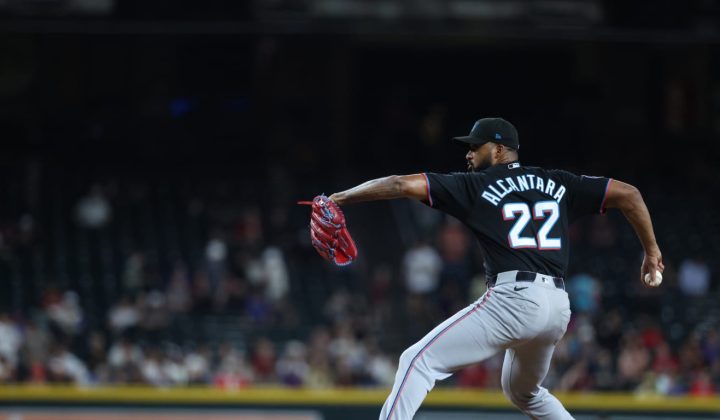
Sandy Alcantara Records First Career Save in Marlins Bullpen Appearance
Miami ace Sandy Alcantara earned his first career save Wednesday night, working a scoreless ninth inning in a 4-3 win over the…
Read storyRelated wiki

MLB Wild Card Rules Explained: Format, Tiebreakers & Postseason Impact
How the MLB wild card works in the current postseason format, including tiebreaker procedures, the 3-game series structure, and what it means…
Read storyPlayoff race
Reference page for playoff race language, qualification lines, tiebreakers and games-in-hand context.
Read story