The Unseen Impact of Mid-Season Lineup Adjustments in MLB
Mid-season lineup adjustments in MLB extend beyond simple player swaps, influencing team chemistry, tactical flexibility, and long-term performance. This analysis explores how managers navigate these critical decisions.
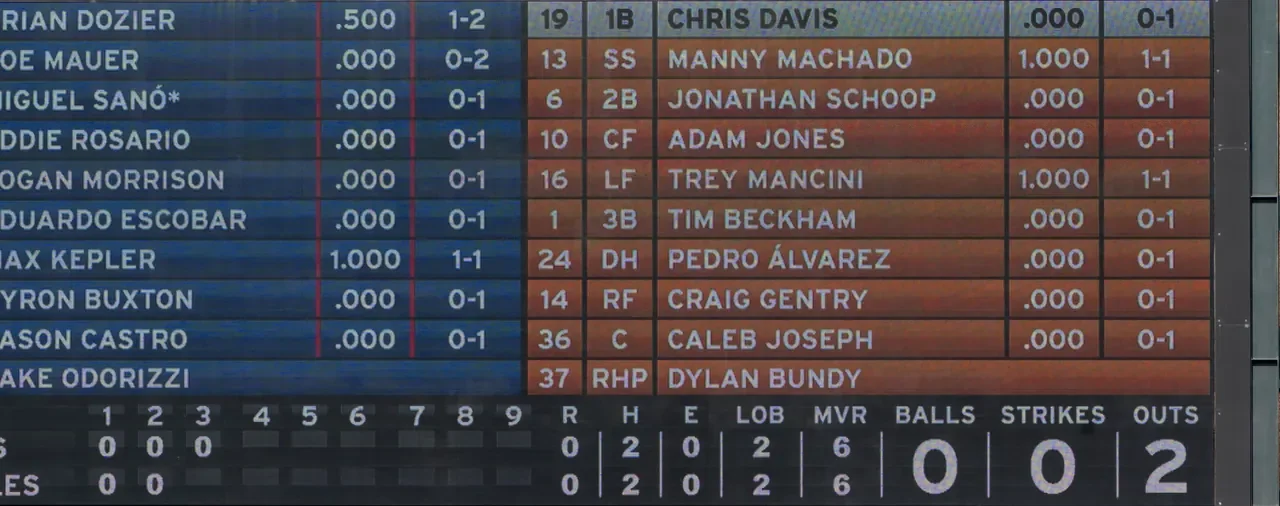
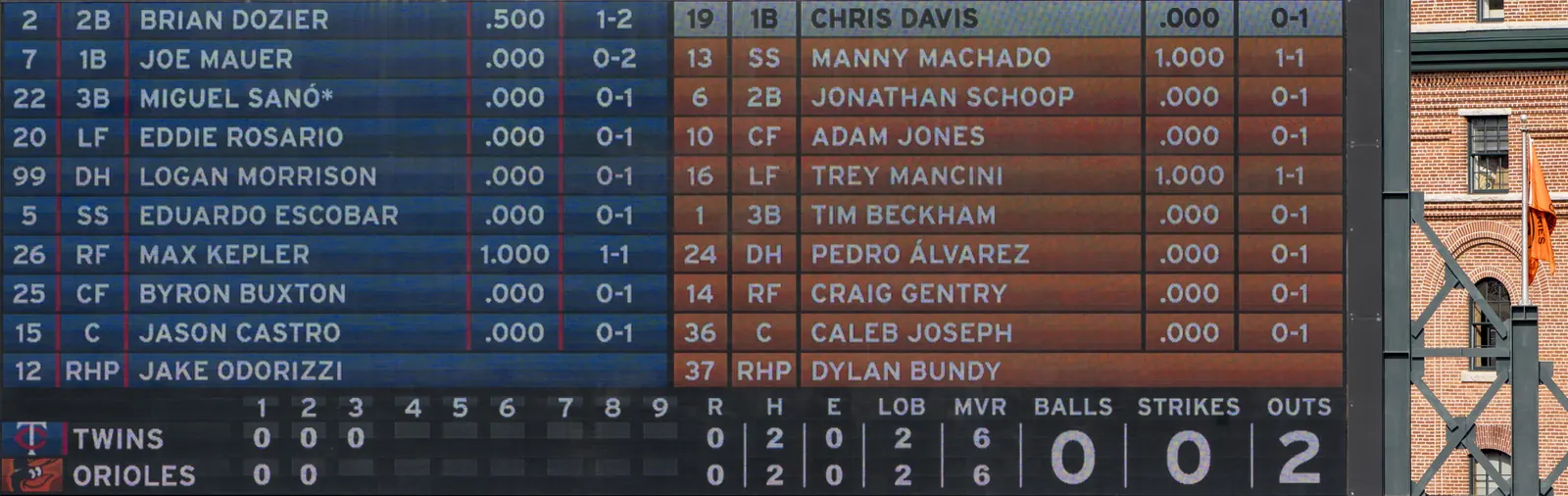
Mid-season lineup adjustments in Major League Baseball are often seen as straightforward reactions to immediate circumstances like slumps, injuries, or underperformance. However, the true implications of these changes are far more profound, extending beyond the tactical shifts visible on the field. A manager’s decision to alter the batting order or defensive alignment can significantly influence team chemistry, impact individual player psychology, and ultimately steer a team’s trajectory through the demanding 162-game season. Understanding the multifaceted nature of these decisions is crucial for appreciating the strategic depth of MLB.
These adjustments are not merely about inserting a hot bat or benching a struggling player. They involve a delicate balance of statistical analysis, intuitive judgment, and an acute awareness of complex team dynamics. The overarching goal is to optimize offensive output, bolster defensive weaknesses, and, at times, to communicate a clear message to the clubhouse. For both fans and analysts, dissecting these strategic moves offers valuable insights into a team’s current state and its potential future prospects.
The Strategic Imperatives Behind Lineup Shifts
Managers typically initiate lineup adjustments for several key reasons, each rooted in strategic imperative. Performance slumps are perhaps the most evident catalyst; a star player hitting below expectations might be moved down the order to alleviate pressure, or a utility player consistently producing might earn a more prominent spot. Injuries also necessitate immediate changes, frequently creating opportunities for younger players or those on the periphery of the roster. Tactical matchups, particularly against specific opposing pitchers or defensive alignments, frequently prompt managers to shuffle the deck, seeking a platoon advantage or a better defensive fit.
Beyond these immediate tactical considerations, less apparent drivers include managing player fatigue, especially during grueling stretches of consecutive games, or attempting to invigorate a stagnant offense with a fresh look. Sometimes, these adjustments are a direct response to advanced analytics, such as optimizing on-base percentage at the top of the order or ensuring power hitters have more opportunities with runners on base. The Los Angeles Dodgers, for example, are renowned for their flexible lineups, often prioritizing matchups over fixed positions, a strategy frequently detailed on their official team site.
Data-Driven Decisions: Informing Lineup Choices
Managers and front offices rely on an extensive array of data to inform these critical decisions. Official team statistics—including batting averages, on-base percentages, slugging percentages, and various defensive metrics—form the foundational layer of their analysis. These traditional metrics are often supplemented by proprietary analytics systems that track everything from exit velocity to pitch recognition, offering granular insights into player performance.
Beyond raw numbers, official injury reports from league sources like MLB.com’s injury tracker are paramount for determining player availability. Team medical staff provide daily updates, directly influencing decisions on who is fit to play and for how long. Scouting reports on opposing pitchers and fielders also play a crucial role, informing tactical adjustments. For example, if an opposing pitcher struggles against left-handed batters, a manager might strategically stack left-handed hitters in the lineup, even if it means temporarily moving a regular right-handed hitter. Trusted sports media, such as ESPN and The Athletic, often provide deeper dives into these tactical considerations, offering public context to official announcements.
The Dynamic Tension: Stability Versus Adaptability
The enduring debate between maintaining a consistent lineup and embracing adaptability is a perennial one in baseball strategy. Proponents of stability argue that a consistent lineup fosters routine, builds team chemistry, and allows players to settle into their specific roles without added pressure. A predictable batting order can instill confidence and reduce mental fatigue over a long season. Conversely, advocates for adaptability emphasize the necessity of responding to real-time performance fluctuations, injuries, and specific opponent matchups. They contend that a static lineup can be easily exploited by opposing teams and may fail to maximize a team’s evolving talent pool throughout the season.
Consider the New York Yankees, a team often associated with consistent power hitting. While they might prefer a stable lineup, injuries to key players like Aaron Judge or Giancarlo Stanton frequently necessitate significant adjustments, as often reported by MLB.com on their Yankees Roster page. Their ability to adapt and still produce runs despite these shifts underscores the strategic depth required at the managerial level.
Unquantifiable Factors and Future Outlook
The immediate future of a team’s lineup is perpetually subject to change. Upcoming series against particular pitching rotations, the anticipated return of injured players, or a sudden surge or slump in individual performance can all trigger further adjustments. The trade deadline, typically in late July, introduces another layer of complexity. Player acquisitions can instantly reshape a lineup, bringing new talent and forcing managers to reintegrate existing players into new roles or re-evaluate current personnel.
What often remains less clear, and more challenging to quantify, is the long-term psychological impact of these adjustments on players. Does being moved down the order motivate a player to improve, or does it erode their confidence and morale? How do players perceive a manager’s willingness to experiment versus a commitment to a core group? These intangible factors are difficult to measure but are undoubtedly a significant consideration within the clubhouse environment and for overall team cohesion.
Here’s a simplified look at common lineup adjustment scenarios and their implications:
| Scenario | Typical Manager’s Action | Rationale | Potential Outcome |
|---|---|---|---|
| Player Slump | Move down order / Bench | Reduce pressure, spark performance, open spot | Improved focus, new opportunity for others |
| Injury to Starter | Insert backup / Call-up from minors | Maintain competitiveness, assess new talent | Unexpected breakout, defensive gap |
| Opposing Pitcher Matchup | Platoon switch / Stack specific hitters | Gain offensive advantage, exploit weakness | Increased run production, strategic edge |
| Team Chemistry Issues | Subtle shifts / Role redefinition | Rebalance dynamics, address internal tensions | Renewed team cohesion, improved morale |
Actionable Insights for Fans: Tracking Lineup Dynamics
To gain a deeper understanding of the implications of mid-season lineup adjustments, fans can actively track several key indicators:
Official Lineup Releases: Always check official team or league sources (like MLB.com) for the daily lineup well before game time. This is the definitive source for who is playing and where.
2. Injury Reports: Monitor MLB’s official injury tracker to understand player availability and projected return dates. This helps anticipate forced changes.
3. Player Performance Trends: Look beyond single-game statistics; assess a player’s performance over the last 7-14 days. Is there a consistent upward or downward trend that might prompt a change?
4. Opponent Analysis: Consider the pitching matchup (handedness, ERA splits) and defensive strengths of the opposing team. Managers often adjust based on who they’re facing.
5. Managerial Comments: Pay attention to post-game press conferences or interviews where managers might explain their decisions or hint at future adjustments. These often provide critical context.
By analyzing these factors, fans can move beyond simply observing a lineup change to understanding the strategic chess match unfolding within an MLB season, appreciating the complex decisions managers face daily.
Related news
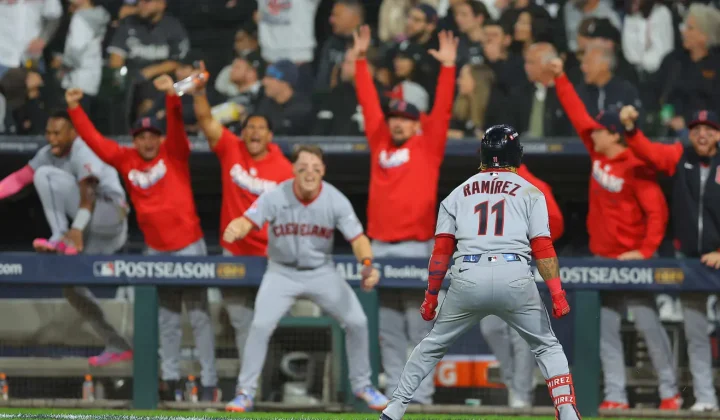
Guardians Force Winner-Take-All ALDS Game 5 With Six-Run Sixth Inning in Chicago
Cleveland scored six runs in the sixth inning to beat the White Sox 9-5 in Game 4 of the ALDS, setting up…
Read story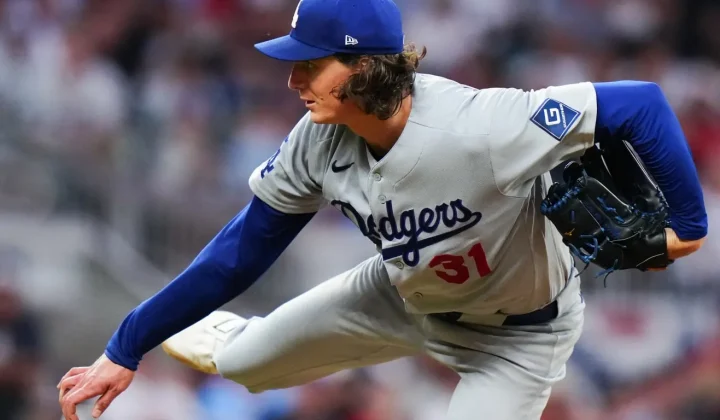
Dodgers Take Commanding 3-1 NLDS Lead Behind Glasnow’s Gritty Outing in Atlanta
Tyler Glasnow battled through command issues but limited Atlanta to one run over 4 2/3 innings as Los Angeles took a 3-1…
Read story
Braves Face Elimination as Dodgers Seek NLCS Berth in Game 4 NLDS Showdown
The Atlanta Braves host the Los Angeles Dodgers in a pivotal Game 4 of the National League Division Series on Wednesday night.…
Read story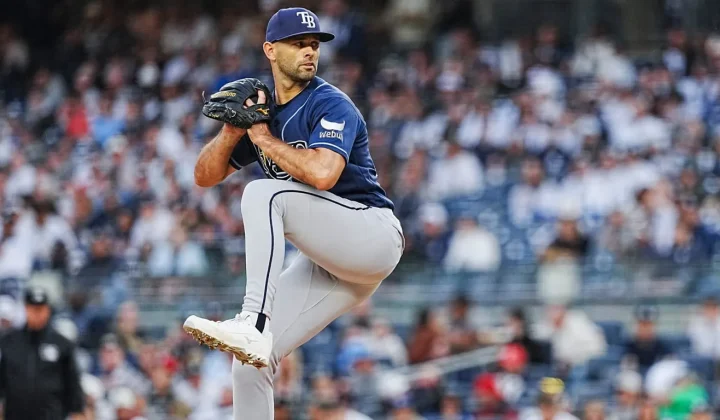
Nick Martinez Returns to Yankee Stadium as Rays Seek ALDS Sweep in Game 3
Tampa Bay right-hander Nick Martinez, who once got ejected from Yankee Stadium as a college fan, starts ALDS Game 3 against New…
Read storyRelated wiki

MLB Wild Card Rules Explained: Format, Tiebreakers & Postseason Impact
How the MLB wild card works in the current postseason format, including tiebreaker procedures, the 3-game series structure, and what it means…
Read storyPlayoff race
Reference page for playoff race language, qualification lines, tiebreakers and games-in-hand context.
Read story