The Unseen Impact of Mid-Season NHL Coaching Changes
Analyzing the immediate and long-term effects of in-season coaching changes in the NHL, looking beyond initial bumps and focusing on underlying team metrics and strategic shifts.


The National Hockey League season is a grueling marathon, and for teams struggling to find consistency or meet expectations, a mid-season coaching change often becomes the last resort. The narrative frequently follows a predictable pattern: an initial “new coach bounce” marked by a few wins, followed by a regression to the mean. However, a deeper dive into the analytics reveals that the true impact of these changes is far more nuanced than simply wins and losses, affecting everything from underlying team metrics to player utilization and long-term strategic direction.
This column will explore the less obvious consequences of in-season coaching alterations, moving beyond the superficial win-loss record. We’ll examine how these decisions truly reshape a team’s identity, what statistical indicators genuinely shift, and what remains stubbornly resistant to change. Understanding these dynamics is crucial for fans and analysts alike, offering a clearer picture of whether a coaching change is a genuine catalyst or merely a temporary distraction.
Why Mid-Season Changes Matter Beyond the Scoreboard
A coaching change isn’t just about replacing one individual with another; it’s a profound disruption to a team’s established rhythm, systems, and locker room dynamics. While the immediate goal is often to spark a turnaround, the ripple effects extend into areas like player confidence, tactical adherence, and even future roster construction. A new coach might bring a different offensive scheme, a revised defensive philosophy, or a fresh perspective on special teams. These shifts, while sometimes yielding immediate results, often require significant adjustment periods that aren’t always reflected in the initial surge of wins.
Consider a team struggling with defensive breakdowns. A new coach might prioritize a more structured, shot-blocking approach. While this could reduce high-danger chances against, it might also stifle offensive creativity or lead to more time spent in their own zone initially. The “why” behind the change—whether it’s a philosophical mismatch, poor communication, or simply a lack of results—informs the potential for genuine improvement. Without addressing the root causes, a new voice can only offer a temporary reprieve.
What the Data Shows: Beyond the Initial Bounce
Analyzing publicly available data from sources like NHL.com and Natural Stat Trick allows us to look beyond simplistic win-loss records. When a coaching change occurs, several key metrics often bear watching:
- Shot Attempt Share (Corsi For %): This indicates how much a team controls puck possession at even strength. A new coach might emphasize forechecking or quicker transitions, leading to a bump in Corsi.
- Expected Goals For % (xGF%): This metric estimates the quality of shots taken and allowed, providing a better measure of offensive and defensive effectiveness than raw shots.
- Special Teams Efficiency: Power play and penalty kill percentages are often direct reflections of coaching schemes and adjustments.
- Goaltending Performance (SV%): While largely individual, a new defensive system can significantly influence the quality of shots a goaltender faces, impacting their save percentage.
- Player Usage (TOI, Line Combinations): New coaches often re-evaluate ice time, line pairings, and defensive assignments, sometimes unlocking previously underperforming players or altering team chemistry.
Historically, many teams experience a short-term improvement in these underlying metrics, but sustaining it is the challenge. The “bounce” is often a combination of increased effort due to a clean slate, simplified systems, and a natural regression to the mean for a team that was likely underperforming its talent level.
Competing Readings: Catalyst or Placebo?
The impact of a coaching change can be interpreted in different ways:
- The Catalyst View: Proponents argue that a new coach injects fresh energy, implements a more effective system, and provides clear direction, ultimately leading to sustained improvement. This view is often supported by examples of teams that go on deep playoff runs after a mid-season switch. For instance, a coach known for defensive accountability might transform a porous defense, leading to a more competitive team.
- The Placebo Effect: Critics suggest that the initial surge is primarily psychological or a statistical anomaly. Players, freed from the pressure of the previous regime, might play with more abandon, or the team might simply get “luckier” in a few games. The underlying issues, however, remain unaddressed, leading to a return to old habits once the novelty wears off. This perspective often points to teams that experience a brief uplift only to miss the playoffs or be eliminated quickly.
The truth likely lies somewhere in between. A coaching change can be a catalyst, but only if the new coach effectively diagnoses existing problems, implements sustainable solutions, and gains the trust and buy-in of the players. Without these elements, it remains a temporary fix.
What Could Change Next and What Remains Unclear
The effectiveness of a mid-season coaching change isn’t fully determined until the end of the season, and sometimes even longer. Here’s what to watch for:
- Sustained Statistical Improvement: Does the Corsi For % or xGF% remain elevated over a larger sample size? Does special teams play consistently improve?
- Player Development: Do individual players show marked improvement under the new system or coaching style? Are young players given more opportunities to thrive?
- Off-Season Strategy: A new coach often influences draft picks, free agency targets, and trade decisions, aligning the roster with their preferred style of play. This long-term alignment is critical for sustained success.
What often remains unclear is the true extent of player agency in these situations. Did the players genuinely struggle with the previous coach’s message, or were they simply underperforming? The locker room dynamics, which are opaque to external observers, play a significant role in how quickly and effectively a new coach’s message is adopted.
Here’s a simplified look at potential shifts in key performance indicators (KPIs) following a coaching change:
| KPI | Pre-Change Trend (Example) | Post-Change Trend (Potential) | Notes |
|---|---|---|---|
| Corsi For % | Below 48% | 50-52% | Indicates improved puck possession, system alignment. |
| Expected Goals % | Below 45% | 47-49% | Suggests better quality chances created and fewer allowed. |
| Power Play % | Below 15% | 18-20% | Often reflects new schemes, personnel adjustments. |
| Penalty Kill % | Below 75% | 78-80% | Can improve with better structure, aggressive forecheck. |
| High-Danger Chances Against | Top 10 worst | Middle of the pack | A key indicator of defensive system effectiveness. |
This table illustrates that while immediate bumps are common, sustained improvement across multiple metrics is a stronger sign of a successful coaching transition.
Practical Checks for the Discerning Fan
When a team makes a mid-season coaching change, don’t just focus on the immediate win-loss record. Instead, consider these checks:
Look at Underlying Numbers: Are Corsi, xGF%, and special teams percentages showing consistent improvement, not just for a few games?
2. Observe Player Usage: Are different players getting more ice time or being deployed in new situations? Are veteran players revitalized or is youth being integrated?
3. Watch the System: Can you identify clear strategic changes in forechecking, defensive zone coverage, or breakouts? Are these changes being executed consistently?
4. Consider the Schedule: Was the initial “bounce” against a series of weaker opponents? True improvement is tested against strong competition.
A mid-season coaching change is a high-stakes gamble. While it can occasionally be the necessary spark that ignites a team, often its true impact is subtle, requiring careful observation of underlying trends rather than just celebrating a handful of initial victories. The real test is whether the new voice can instill a sustainable system and culture, preparing the team not just for the rest of the current season, but for future success.
Related news
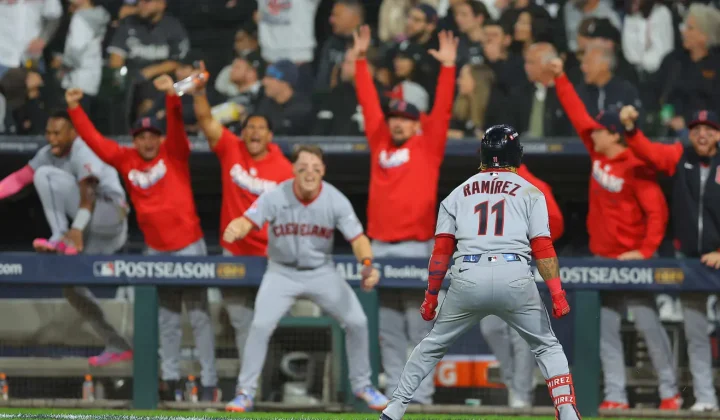
Guardians Force Winner-Take-All ALDS Game 5 With Six-Run Sixth Inning in Chicago
Cleveland scored six runs in the sixth inning to beat the White Sox 9-5 in Game 4 of the ALDS, setting up…
Read story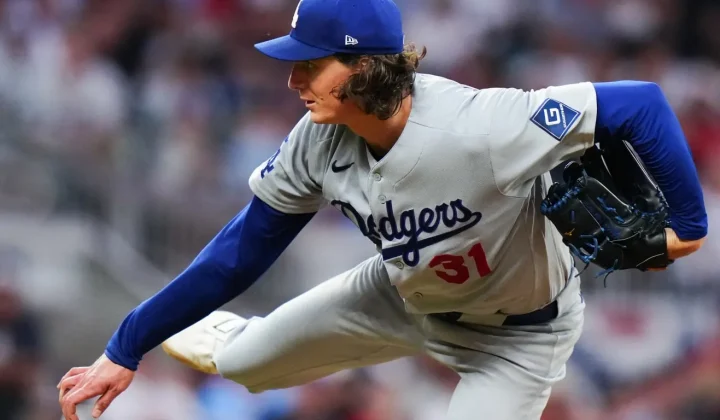
Dodgers Take Commanding 3-1 NLDS Lead Behind Glasnow’s Gritty Outing in Atlanta
Tyler Glasnow battled through command issues but limited Atlanta to one run over 4 2/3 innings as Los Angeles took a 3-1…
Read story
Braves Face Elimination as Dodgers Seek NLCS Berth in Game 4 NLDS Showdown
The Atlanta Braves host the Los Angeles Dodgers in a pivotal Game 4 of the National League Division Series on Wednesday night.…
Read story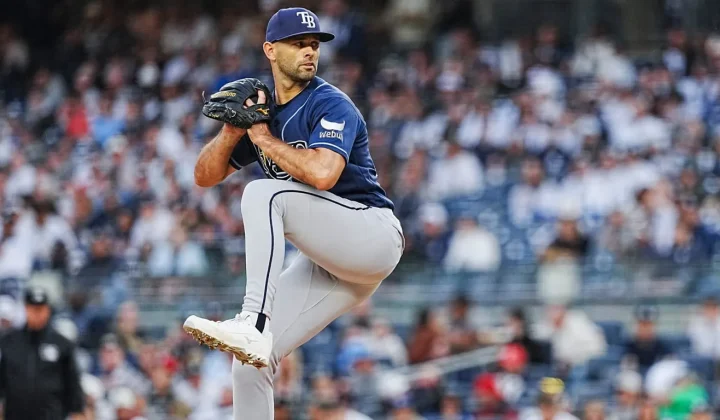
Nick Martinez Returns to Yankee Stadium as Rays Seek ALDS Sweep in Game 3
Tampa Bay right-hander Nick Martinez, who once got ejected from Yankee Stadium as a college fan, starts ALDS Game 3 against New…
Read storyRelated wiki

MLB Wild Card Rules Explained: Format, Tiebreakers & Postseason Impact
How the MLB wild card works in the current postseason format, including tiebreaker procedures, the 3-game series structure, and what it means…
Read storyPlayoff race
Reference page for playoff race language, qualification lines, tiebreakers and games-in-hand context.
Read story