Why Bullpen Workload is a Critical Factor in MLB Series Previews
Understanding how heavily bullpens have been utilized in recent games can offer significant insights into potential outcomes for upcoming MLB series. This analysis covers the impact of high-leverage arms, starter length, travel, and doubleheaders on relief pitching availability and effectiveness.
In Major League Baseball, the outcome of a series often hinges on more than just the starting pitchers. While aces and top-tier starters garner significant attention, the effectiveness and availability of a team’s bullpen can be the silent determinant of success, particularly in a multi-game set. For fans and analysts alike, understanding bullpen workload is one of the first numbers to check when preparing for an MLB series. It provides a crucial lens through which to evaluate a team’s pitching depth and its ability to close out games.
The modern game places an immense burden on relief pitchers. Starters are throwing fewer innings than ever before, routinely exiting games in the fifth or sixth inning. This shift means that bullpens are being asked to cover more innings, more frequently, and in higher-leverage situations. Consequently, monitoring how many innings and pitches a team’s key relievers have thrown in the days leading up to a new series can reveal significant advantages or disadvantages.
Understanding Bullpen Workload
Bullpen workload refers to the cumulative stress placed on a team’s relief pitchers over a given period, typically the last three to five days. This isn’t just about the sheer number of pitches; it also encompasses the intensity of those pitches, the situations in which they were thrown, and the recovery time available.
Several factors contribute to a high bullpen workload:
- Short Starts: When a starting pitcher fails to go deep into a game (e.g., fewer than five or six innings), the bullpen is forced to cover more ground. This can happen due to ineffectiveness, injury, or strategic decisions.
- High-Leverage Situations: Pitchers used in critical moments (e.g., defending a one-run lead in the eighth inning) expend more emotional and physical energy, regardless of pitch count. These “leverage arms” are often the most valuable relievers.
- Extra-Inning Games: Extended games can deplete a bullpen rapidly, forcing managers to use multiple relievers for more innings than anticipated.
- Travel and Schedule Congestion: Back-to-back games, especially with travel days in between, limit recovery time. Doubleheaders are particularly brutal, requiring a fresh bullpen to cover up to 18 innings in a single day.
- Ineffective Relief: If one or more relievers are struggling, the manager might be forced to rely more heavily on other arms, further increasing their workload.
The Impact on Series Outcomes
A fatigued bullpen can manifest in several ways, all detrimental to a team’s chances in an upcoming series.
- Reduced Effectiveness: Tired arms are more prone to giving up hits, walks, and home runs. Velocity might decrease, and command could falter.
- Limited Options for Managers: If key relievers are unavailable or compromised, managers might be forced to use less reliable pitchers in high-leverage spots, or ask stretched relievers to pitch on inadequate rest.
- Strategic Disadvantage: Opposing teams can exploit a tired bullpen by extending at-bats, looking for specific matchups, or simply waiting for opportunities in later innings.
- Increased Injury Risk: Overworked pitchers are at a higher risk of injury, which can have long-term consequences for the team.
Consider a scenario where a team just finished a grueling three-game series with two extra-inning contests and multiple short starts from their rotation. Their top three leverage relievers each threw 30+ pitches on consecutive days. Heading into a new series, those arms are likely to be unavailable or severely limited for at least the first game, if not more. This dramatically alters the strategic landscape for the manager and presents a clear opportunity for the opposing team’s offense.
Analyzing Bullpen Usage
When evaluating bullpen workload, several metrics are useful:
- Pitches Thrown: The raw number of pitches over the last 3-5 days.
- Outings: The number of appearances a reliever has made recently.
- Innings Pitched: How many innings each reliever has covered.
- High-Leverage Appearances: How often a reliever has been used in critical game situations.
Many sports data providers and official MLB resources offer detailed pitch counts and game logs, allowing for a thorough analysis. It’s not just about the total number, but also the individual usage of key “leverage arms” – those pitchers typically reserved for the 7th, 8th, and 9th innings in close games. If these critical relievers have been heavily used, a team’s ability to protect late leads diminishes significantly.
Practical Application for Series Previews
Before any MLB series begins, a quick check of bullpen usage from the preceding series can yield valuable insights. Look for:
- Key Relievers with High Pitch Counts: Have the team’s best setup men and closers thrown a lot recently?
- Recent Extra-Inning Games: Did either team play a recent extra-inning marathon?
- Short Starts: Did any starters fail to complete five innings in their last outing?
- Travel Schedule: Is one team traveling a long distance after a series, potentially exacerbating fatigue?
- Upcoming Doubleheaders: Are there any doubleheaders scheduled that will further strain the pitching staff?
This information can help predict which team might have a deeper, fresher bullpen and, therefore, a strategic advantage in close games.
Here’s an example of how to track recent bullpen usage for key relievers:
| Pitcher Name | Last Appearance (Date) | Pitches Thrown (Last 3 Days) | Innings Pitched (Last 3 Days) | High-Leverage Outings (Last 3 Days) | Status for Next Game |
|---|---|---|---|---|---|
| Closer A | May 10 | 45 | 2 | 2 | Likely Unavailable |
| Setup Man B | May 10 | 30 | 0 | 1 | Potentially Limited |
| Setup Man C | May 9 | 22 | 0 | 1 | Available |
| Reliever D | May 8 | 15 | 2 | 0 | Available |
This table illustrates a scenario where Closer A and Setup Man B have been heavily used, making their availability for the start of the next series questionable. This immediately flags a potential vulnerability for their team.
In conclusion, while starting pitching and offensive firepower are undeniably important, the unsung heroes of the bullpen often dictate the flow and outcome of MLB series. A diligent examination of bullpen workload, including pitch counts, recent appearances, and high-leverage situations, offers a critical, data-driven perspective for anyone looking to understand the nuances of baseball’s strategic battles. This context is invaluable for making informed predictions and appreciating the strategic depth of every pitch.
Related news

Guardians Force Winner-Take-All ALDS Game 5 With Six-Run Sixth Inning in Chicago
Cleveland scored six runs in the sixth inning to beat the White Sox 9-5 in Game 4 of the ALDS, setting up…
Read story
Dodgers Take Commanding 3-1 NLDS Lead Behind Glasnow’s Gritty Outing in Atlanta
Tyler Glasnow battled through command issues but limited Atlanta to one run over 4 2/3 innings as Los Angeles took a 3-1…
Read story
Braves Face Elimination as Dodgers Seek NLCS Berth in Game 4 NLDS Showdown
The Atlanta Braves host the Los Angeles Dodgers in a pivotal Game 4 of the National League Division Series on Wednesday night.…
Read story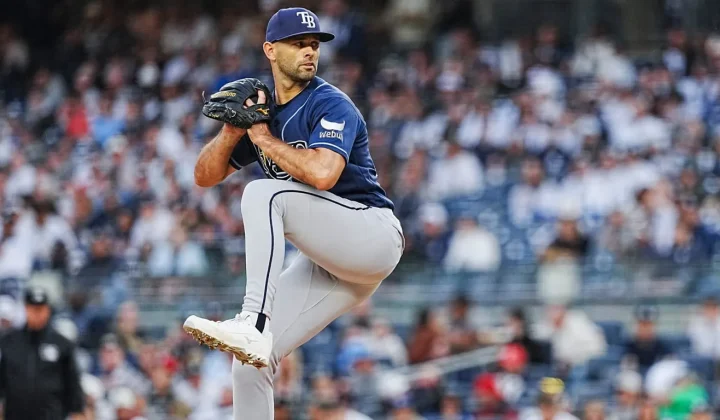
Nick Martinez Returns to Yankee Stadium as Rays Seek ALDS Sweep in Game 3
Tampa Bay right-hander Nick Martinez, who once got ejected from Yankee Stadium as a college fan, starts ALDS Game 3 against New…
Read storyRelated wiki

MLB Wild Card Rules Explained: Format, Tiebreakers & Postseason Impact
How the MLB wild card works in the current postseason format, including tiebreaker procedures, the 3-game series structure, and what it means…
Read storyPlayoff race
Reference page for playoff race language, qualification lines, tiebreakers and games-in-hand context.
Read story