WNBA Sees Early Season Foul Rate Increase Amid Crackdown on Physical Play
The WNBA is experiencing a slight rise in foul calls during the opening week of the 2026 season as the league implements a stricter enforcement of existing rules to address physicality concerns. Teams are averaging 21.6 fouls per game, up from 19.9 at the same point last year.

The 2026 WNBA season has commenced with a noticeable uptick in foul calls, reflecting the league’s concerted effort to curb physicality. Data from the opening week indicates teams are averaging 21.6 fouls per game, a rise from 19.9 fouls recorded during the same period last year. This increase is a direct consequence of the WNBA’s new initiative to strictly enforce existing rules, aiming to reduce rough play and enhance freedom of movement on the court.
League officials acknowledge that this initial surge in fouls is an expected outcome as players and referees adapt to the stricter interpretation. The WNBA formed an officiating task force in the offseason, comprising players and coaches, to address growing concerns about the game’s physicality. While no new rules were introduced, the focus is squarely on consistent and rigorous enforcement of current guidelines.
Officiating Task Force Initiatives
The WNBA’s offseason saw the formation of an officiating task force, a key component of the league’s “state of the game” group. This task force, which included prominent players and coaches, was established to address the escalating physicality in games. According to Monty McCutchen, head of WNBA officiating, and Sue Blauch, head of referee performance and development, the discussions did not lead to changes in rules or interpretations. Instead, the consensus was to strictly enforce existing guidelines, particularly those related to freedom of movement. The objective is to open up the game, allowing players to showcase their skills more effectively.
Early Season Impact on Play
The immediate effect of this stricter enforcement is evident in the foul statistics. The average number of fouls per game has increased, and while this has not yet translated into a significant rise in free throw attempts (21.9 this season compared to 21.4 last year at the same point), it has impacted game flow and duration. For instance, a recent New York Liberty overtime victory against Washington extended to 2 hours and 41 minutes, a duration that prompted comments from players like Breanna Stewart regarding disruptions to game rhythm.
Player and Coach Reactions
Reactions from players and coaches have been varied, reflecting the adjustment period. Minnesota coach Cheryl Reeve, a member of the officiating task force, acknowledged that it will take time for everyone to align with the new standard. Dallas Wings guard Arike Ogunbowale noted the need for players to adapt, citing an unusual number of early fouls in her own games. Conversely, Indiana Fever star Caitlin Clark praised the officials’ efforts, stating that the stricter calls are “great for the game” and will ultimately lead to cleaner play. This divergence in immediate reactions highlights the ongoing process of calibration within the league.
Key facts
| Statistic | 2026 Season (Early) | 2025 Season (Early) |
|---|---|---|
| Average Fouls Per Game | 6 | 9 |
| Average Free Throws Attempted Per Game | 9 | 4 |
Ongoing Calibration and Future Outlook
Monty McCutchen indicated that the officiating group will continue to meet frequently to ensure alignment and refine enforcement throughout the season. The league anticipates some “over-calibration” in the initial stages as officials emphasize freedom of movement, but expects the consistency to improve as the season progresses. The ultimate goal is to maintain a balance that allows for competitive play while safeguarding player movement and skill exhibition, creating a more fluid and engaging basketball experience for fans.
This development matters for US and global sports readers because it signals a significant shift in how the WNBA is approaching game management and player safety. The emphasis on reducing physicality and promoting freedom of movement could lead to a more open, high-scoring, and aesthetically pleasing game, potentially attracting new fans and enhancing the league’s global appeal. For teams, it means adjusting defensive strategies and player conduct, impacting game outcomes and potentially influencing player development. For athletes, understanding and adapting to the new officiating standards will be crucial for maintaining performance and avoiding foul trouble. The ongoing dialogue between players, coaches, and officials highlights the dynamic nature of professional sports and the constant evolution of game rules and enforcement.
Fuente: Yahoo Sports (https://sports.yahoo.com/articles/wnba-foul-calls-rise-slightly-184632099.html)
Source
Yahoo Sports Original publication: 2026-05-14T18:46:32+00:00
Related news
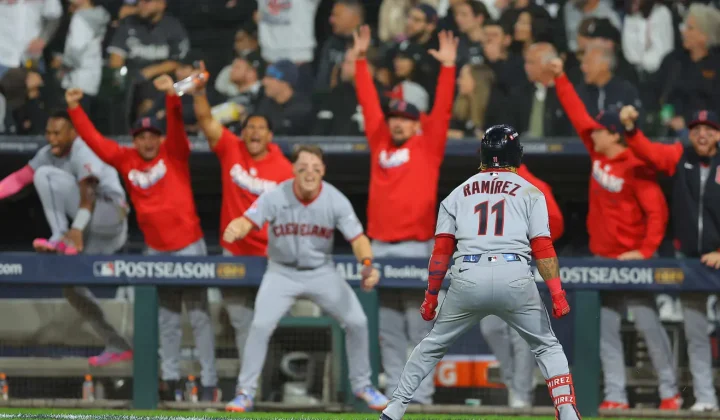
Guardians Force Winner-Take-All ALDS Game 5 With Six-Run Sixth Inning in Chicago
Cleveland scored six runs in the sixth inning to beat the White Sox 9-5 in Game 4 of the ALDS, setting up…
Read story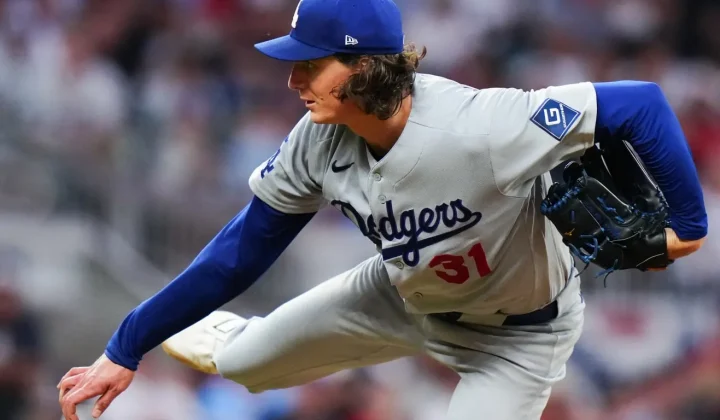
Dodgers Take Commanding 3-1 NLDS Lead Behind Glasnow’s Gritty Outing in Atlanta
Tyler Glasnow battled through command issues but limited Atlanta to one run over 4 2/3 innings as Los Angeles took a 3-1…
Read story
Braves Face Elimination as Dodgers Seek NLCS Berth in Game 4 NLDS Showdown
The Atlanta Braves host the Los Angeles Dodgers in a pivotal Game 4 of the National League Division Series on Wednesday night.…
Read story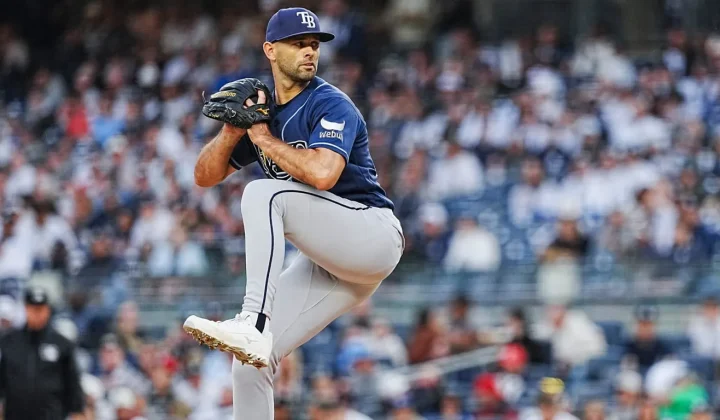
Nick Martinez Returns to Yankee Stadium as Rays Seek ALDS Sweep in Game 3
Tampa Bay right-hander Nick Martinez, who once got ejected from Yankee Stadium as a college fan, starts ALDS Game 3 against New…
Read storyRelated wiki

MLB Wild Card Rules Explained: Format, Tiebreakers & Postseason Impact
How the MLB wild card works in the current postseason format, including tiebreaker procedures, the 3-game series structure, and what it means…
Read storyPlayoff race
Reference page for playoff race language, qualification lines, tiebreakers and games-in-hand context.
Read story