World Cup Conspiracy Theories Thrive Amidst High Stakes and Unprecedented Events
From rigged draws to improbable referee decisions and player health scares, the FIFA World Cup has long been a fertile ground for outlandish theories.
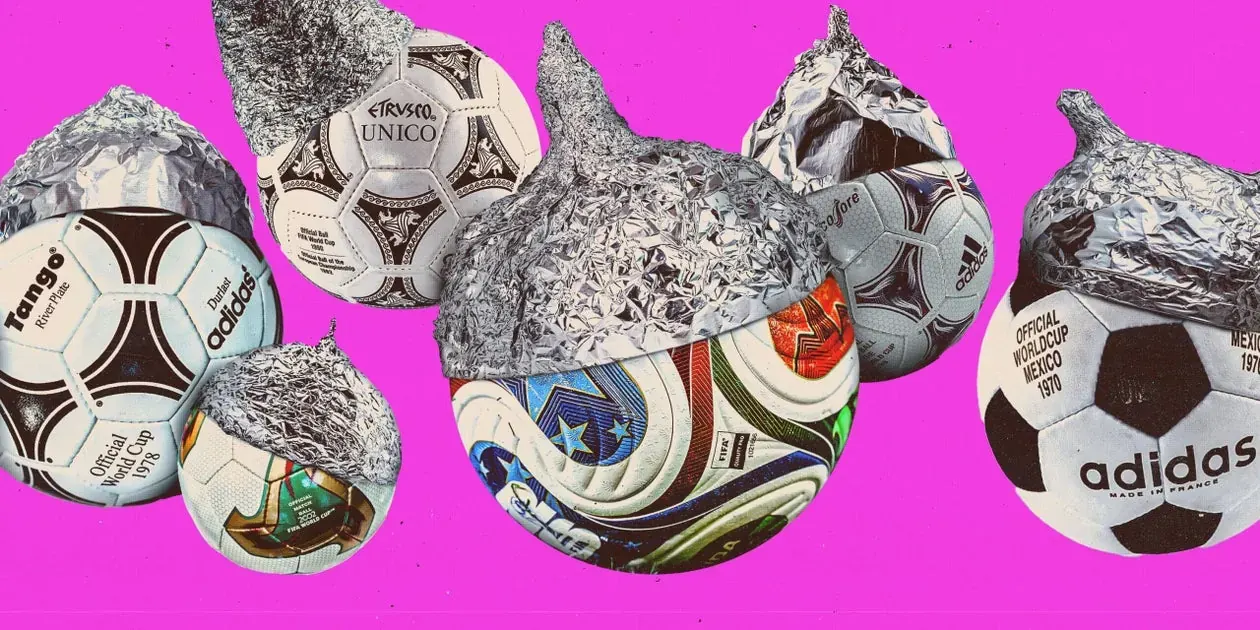
The FIFA World Cup, the pinnacle of international football, has consistently been a breeding ground for conspiracy theories, fueled by its immense global audience, political undertones, and the sheer unpredictability of the sport. Recent events, such as the suspension of a player’s ban for the USMNT and controversial match outcomes, have reignited discussions around these persistent narratives.
High Stakes Fuel Speculation
The intense pressure and global scrutiny surrounding the World Cup create an environment where suspicion can easily take root. When unusual events occur, such as the decision to suspend Folarin Balogun’s red-card ban for the USMNT’s match against Belgium, immediate speculation arises. The reported involvement of U.S. President Donald Trump in a call to FIFA president Gianni Infantino regarding the ban further amplified these theories, suggesting external influence on the game.
Similarly, Egypt striker Mostafa Ziko’s assertion that the trophy is “directed towards Argentina” following a controversial 3-2 defeat to Lionel Messi’s team highlights how close results can be interpreted as predetermined outcomes. These instances underscore a recurring theme: the high stakes of the tournament make it susceptible to claims of manipulation.
Rigged Draws and Host Nation Advantage
The World Cup draw itself is frequently a target of conspiracy theories. When host nations like Mexico, Canada, and the United States land favorable group stage opponents, theories of a rigged draw often emerge. While home advantage is a recognized factor in many sports, alternative explanations suggest deliberate manipulation to benefit the hosts.
However, an analysis of the 2026 draw based on FIFA rankings suggests a more complex reality. Spain, for instance, was found to have had the easiest draw, with their opponents’ combined FIFA ranking totaling 144. Canada also had a relatively favorable draw. Conversely, the U.S. faced a challenging group, with their opponents’ rankings suggesting a difficult path. This data complicates the narrative of a consistently rigged draw favoring hosts, leaving room for interpretation regarding FIFA rankings and team performance.
The Ronaldo Mystery of 1998
One of the most enduring World Cup conspiracies surrounds the 1998 final and the health of Brazilian star Ronaldo. Just hours before the match, Ronaldo suffered a seizure, leading to his initial exclusion from the starting lineup. Despite declaring himself fit to play, Brazil lost 3-0 to France, and Ronaldo’s subdued performance fueled speculation.
Theories suggested he was forced to play due to collusion between the Brazilian and French governments or pressure from his sponsor, Nike. A subsequent inquiry in Brazil investigated the relationship between the Brazilian FA and Nike. Ronaldo himself testified that he only played after medical tests deemed him fit, and Nike’s only request was for him to wear their boots. Despite his testimony, the mystery surrounding his health and performance in that final continues to be debated.
Questionable Refereeing and Controversial Outcomes
The quality of refereeing has often been a point of contention, with allegations of bias and incompetence surfacing throughout World Cup history. Pelé himself commented on the low level of refereeing during the 2002 World Cup, and FIFA president Sepp Blatter acknowledged issues with assistant referees.
The 2002 tournament, co-hosted by South Korea, saw several controversial decisions that appeared to benefit the host nation. The matches against Portugal, Spain, and Italy, all decided by narrow margins, led to widespread accusations of biased officiating. The performance of Ecuadorian referee Byron Moreno in Italy’s match against South Korea, which included a controversial red card for Francesco Totti and a soft penalty awarded to South Korea, remains a particularly contentious point for Italian football fans. Moreno’s subsequent suspension and later legal troubles have done little to quell the suspicions surrounding his officiating in that World Cup.
Key facts
| Event/Theory | Year | Details | Status |
|—|—|—|—|
| Balogun Ban Suspension | 2026 | Player ban suspended for USMNT match; alleged presidential involvement. | Under discussion |
| Argentina’s Trophy Direction | 2026 | Claim that the trophy is predetermined for Argentina. | Speculation |
| Rigged Draw | Recurring | Allegations that World Cup draws are manipulated for host advantage. | Debated |
| Ronaldo’s 1998 Final Health | 1998 | Player’s pre-match seizure and subsequent performance; sponsorship influence theories. | Unresolved controversy |
| 2002 Refereeing Controversies | 2002 | Questionable officiating, particularly in matches involving co-host South Korea. | Disputed |
The enduring nature of these conspiracy theories highlights a fundamental tension in elite sports: the conflict between the desire for fair play and the reality of high-stakes competition, where outcomes can have significant political and financial implications. While some theories may be rooted in genuine controversy, others serve as a testament to the power of narrative and the human tendency to seek explanations for unexpected or unfavorable results.
Source: The Athletic – Cancelled bans, rigged draws and CIA plots: How the World Cup breeds conspiracy theories – https://www.nytimes.com/athletic/7385909/2026/07/08/world-cup-conspiracy-theories/
Datos clave
| Punto | Detalle |
|---|---|
| Fuente | The Athletic |
| Fecha | 2026-07-08T04:10:50+00:00 |
| Tema | Cancelled bans, rigged draws and CIA plots: How the World Cup breeds conspiracy theories |
Source
The Athletic Original publication: 2026-07-08T04:10:50+00:00
Related news
Mookie Betts Powers Dodgers Past Giants in Key Late-Season Win
Mookie Betts delivered a four-hit performance, including three doubles, as the Los Angeles Dodgers defeated the San Francisco Giants 10-4 on Saturday…
Read story
Pirates Eliminated From Playoff Contention Despite Offensive Surge in 2026
The Pittsburgh Pirates have been mathematically eliminated from the MLB postseason for the 11th consecutive year. Despite a vastly improved offense that…
Read story
Jamie Carragher’s High Praise Puts Daniel Munoz in Rare Premier League Company
The Nottingham Forest and Colombia defender received a remarkable endorsement from the Sky Sports pundit after his performance against Aston Villa, sparking…
Read story
Sandy Alcantara Records First Career Save in Marlins Bullpen Appearance
Miami ace Sandy Alcantara earned his first career save Wednesday night, working a scoreless ninth inning in a 4-3 win over the…
Read storyRelated wiki

MLB Wild Card Rules Explained: Format, Tiebreakers & Postseason Impact
How the MLB wild card works in the current postseason format, including tiebreaker procedures, the 3-game series structure, and what it means…
Read storyPlayoff race
Reference page for playoff race language, qualification lines, tiebreakers and games-in-hand context.
Read story